
Farmers Multi-Car Insurance — Utah
Free to compare
Farmers Writes Multi-Car Policies in Utah
Farmers Insurance writes auto policies in Utah and offers multi-car discounts when you insure two or more vehicles on the same policy. The carrier is licensed statewide, writes standard-tier coverage, and supports online quotes. If you're adding a second car to your household or combining policies after a move or marriage, Farmers structures the discount around a same-policy requirement: every vehicle must sit on one policy to qualify.
The structural reality many households miss is that a vehicle titled to a household member on a separate policy does not count toward the multi-car discount, even if both policies are with Farmers. The discount applies to the policy, not to the household's total vehicle count across multiple policies. If your spouse, adult child, or roommate carries their own Farmers policy, adding your second car to your existing policy earns the discount; keeping two separate policies does not.
“The multi-car discount applies to the policy, not to the household's total vehicle count across separate policies.”

Meet Utah's Requirements Without Overpaying
Get My Utah Car Insurance Quote$30,000 / $65,000 / $25,000
Utah Minimum Liability Limits
Utah requires $30,000 bodily injury per person, $65,000 per accident, and $25,000 property damage. Personal injury protection is mandatory. Every vehicle on your policy must meet these minimums.
Utah state insurance requirements
Same-Policy Requirement Drives the Discount
The multi-car discount requires every vehicle to appear on the same policy. Farmers does not combine discounts across two separate policies, even when both policies are held by members of the same household. If you and your spouse each carry a Farmers policy and you add a third vehicle, the discount applies only if all three vehicles move to one shared policy.
Many households assume that insuring multiple cars with the same carrier automatically earns the discount. It does not. The carrier prices each policy independently. A household with two Farmers policies covering one car each pays more than a household with one Farmers policy covering both cars, because the second structure earns the multi-car discount and the first does not.
The same-policy requirement also means that a vehicle titled to someone outside your household typically cannot be added to your policy. If your adult child lives at a different address and titles their car in their own name, most carriers require that vehicle to sit on a separate policy. The multi-car discount does not extend across households, even when the vehicles are insured by the same carrier.
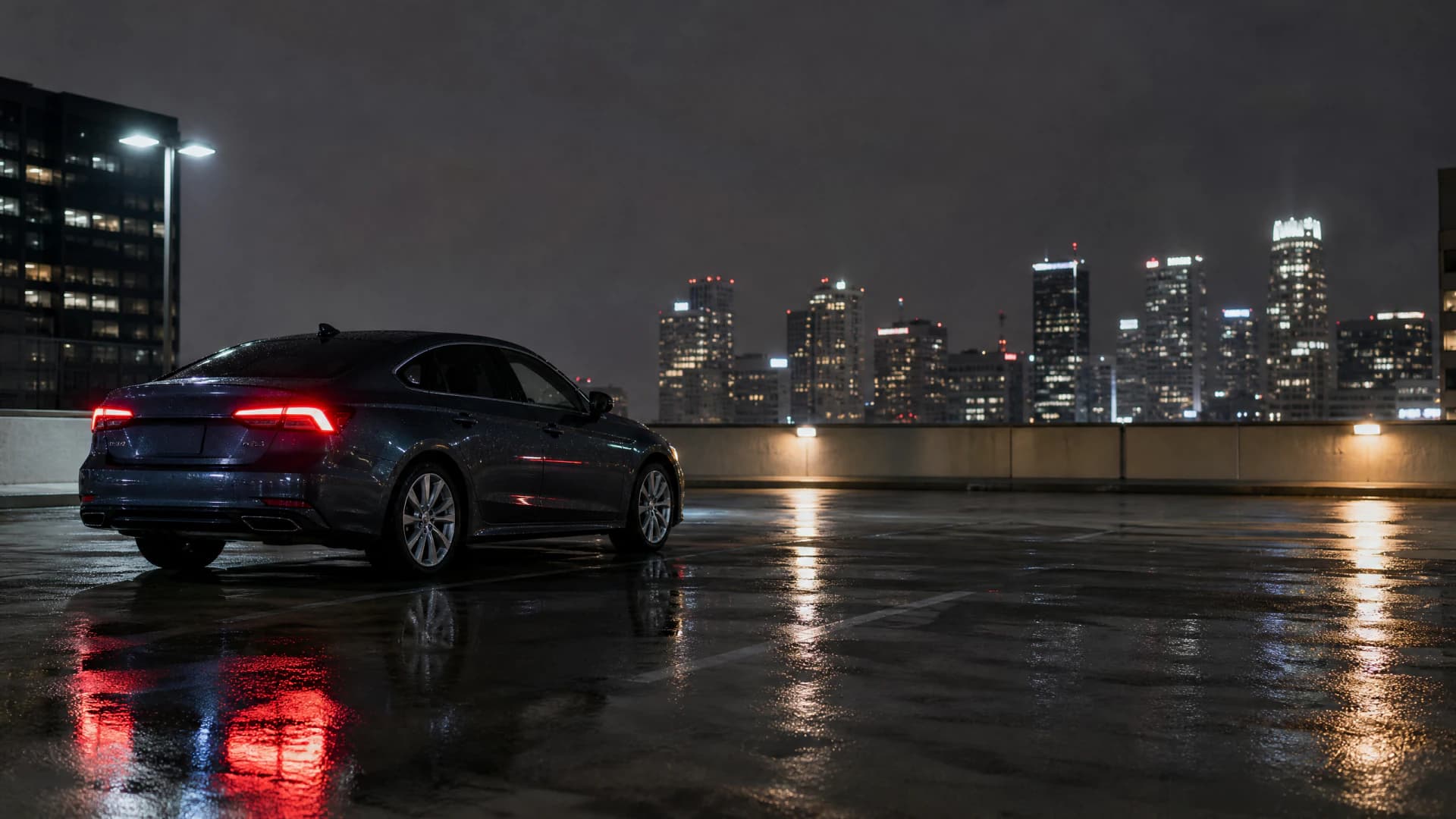
The multi-car discount applies to the policy, not to the household's total vehicle count across separate policies. Combining vehicles onto one policy is the only path to the discount.




Combining Policies After Marriage or a Move
If you and your spouse each carry a Farmers policy and you want to combine them, the carrier treats the combination as a new policy. Both vehicles move to one policy, the multi-car discount applies, and the carrier re-rates based on both drivers' records, both vehicles' characteristics, and the shared garaging address. In most cases, the combined premium is lower than the sum of the two separate premiums, but not always.
The outcome depends on the drivers' records and the vehicles' risk profiles. If one spouse has a clean record and the other has recent violations or claims, the combined policy may price higher than the cleaner spouse's standalone policy, even after the multi-car discount. The discount lowers the combined rate, but it does not eliminate the risk premium the carrier assigns to the higher-risk driver.
Farmers allows you to request a quote for the combined policy before making the change. Compare the combined premium to the sum of your current separate premiums. If the combined rate is higher, evaluate whether the administrative simplicity of one policy justifies the cost difference, or whether keeping two separate policies makes more sense for your household.
2,876,800
Utah Registered Vehicles
Utah has 2,876,800 registered motor vehicles as of 2022. Multi-car households represent a significant portion of that total, and structuring coverage correctly across multiple vehicles is a common decision point for Utah drivers.
Utah vehicle registration data, 2022

Rarely-Driven Vehicles and Garaging Address
If your household owns a vehicle that is rarely driven, a classic car, or a seasonal vehicle, Farmers typically requires that vehicle to sit on the same policy as your daily drivers to earn the multi-car discount. The carrier does not offer a separate low-mileage or storage-only policy that qualifies for the discount when combined with a standard policy. The rarely-driven car must be listed on the same policy, with the same coverage selections, as your other vehicles.
The garaging address also matters. Most carriers require every vehicle on a multi-car policy to be garaged at the same address. If you own a second home and keep a vehicle there, or if your adult child lives at a different address and drives one of the household's cars, the carrier may require that vehicle to sit on a separate policy. The same-address requirement is not universal, but it is common, and Farmers enforces it in most cases. Confirm the garaging-address rule with the carrier before adding a vehicle that is not kept at your primary residence.
Compare Carriers That Write Multi-Car Policies in Utah
Farmers is one of many carriers writing multi-car policies in Utah. The state's carrier roster includes national and regional insurers, and the multi-car discount structure varies by carrier. Some carriers offer larger discounts for three or more vehicles; others price more competitively for two-car households. The only way to know which carrier offers the best combined rate for your household is to compare quotes from multiple carriers that write in Utah and structure their discounts around the same-policy requirement.
When you request quotes, provide accurate information about every vehicle you want to insure, every driver in your household, and the garaging address for each car. Inaccurate information produces inaccurate quotes, and discovering the error after binding the policy can result in a retroactive premium adjustment or a denied claim. Utah's minimum liability requirements apply to every vehicle on your policy, and every driver must meet the state's proof-of-insurance rules. Compare carriers, confirm the same-policy discount applies to your household structure, and bind the policy that fits your vehicles and your budget.
Adding a Vehicle Mid-Term Re-Rates the Policy
Re-rating means the carrier recalculates the premium for every vehicle on the policy, applies the multi-car discount to the new total, and issues a revised premium. The change is not additive. You do not pay your current premium plus a fixed amount for the new car; you pay a new combined premium that reflects the discount applied to all vehicles together. In many cases, the per-vehicle cost drops when the second car is added, because the discount lowers the base rate for both.
The re-rating happens at the moment you add the vehicle, not at renewal. If you buy a second car mid-term, contact Farmers within the grace period the carrier allows for newly-acquired vehicles. Most carriers provide a short window during which a new car is automatically covered under your existing policy, but that coverage lapses if you do not formally add the vehicle within the specified timeframe. Missing the window can result in a coverage gap, and a claim on an unreported vehicle may be denied.
Get Your Free Quote
Get My Utah Car Insurance QuoteFrequently Asked Questions
Does Farmers offer SR-22 filing in Utah?
Farmers writes SR-22 policies in Utah. The carrier files the SR-22 certificate electronically with the Utah Driver License Division and maintains the filing for the required three-year period. If you need SR-22 filing, confirm with Farmers that your policy includes the certificate before binding.
Can I add a vehicle titled to my adult child to my Farmers policy?
Most carriers, including Farmers, require the vehicle to be titled to a policyholder or a household member living at the same address. If your adult child lives elsewhere and titles the car in their own name, the carrier typically requires a separate policy. Confirm the titling and garaging-address requirements with Farmers before attempting to add the vehicle.
How long do I have to add a newly-purchased vehicle to my Farmers policy?
Farmers provides a grace period during which a newly-acquired vehicle is automatically covered under your existing policy, but you must formally add the vehicle within that window. The grace period varies by state and policy terms. Contact Farmers immediately after purchasing the car to confirm the deadline and avoid a coverage gap.
Does combining two Farmers policies always save money?
Combining two policies typically lowers the total premium because the multi-car discount applies, but not always. If one driver has recent violations or claims, the combined policy may price higher than the cleaner driver's standalone policy. Request a quote for the combined policy and compare it to the sum of your current premiums before making the change.
What happens if I keep two separate Farmers policies for two cars?
You pay more than you would with one combined policy. The multi-car discount applies only when all vehicles sit on the same policy. Two separate policies are priced independently, and neither earns the discount. Combining the vehicles onto one policy is the only way to qualify.