
Progressive Multi-Car Insurance — Utah
Free to compare
When Adding a Vehicle to Progressive Doesn't Trigger the Discount
You bought a second car, called Progressive to add it to your existing Utah policy, and expected the multi-car discount to drop your combined premium. Instead, the agent told you the new vehicle doesn't qualify because it's garaged at a different address, or titled to a household member who isn't listed on your policy. You're paying for two vehicles on one policy but not receiving the discount Progressive advertises.
Progressive's multi-car discount applies only when every vehicle on the policy shares the same garaging address and every titled owner is a named insured on that policy. Utah households with vehicles split between two addresses — a college student's car at school, a work vehicle garaged at a job site, or a spouse's car titled separately — hit this structural blocker frequently. The discount exists, but the same-policy and same-address requirements are non-negotiable.
“Progressive denies the multi-car discount when any vehicle is garaged at a different address, even if all vehicles sit on the same policy document.”

Meet Utah's Requirements Without Overpaying
Get My Utah Car Insurance Quote$30,000/$65,000/$25,000
Utah Minimum Liability Limits
Utah requires $30,000 bodily injury per person, $65,000 per accident, and $25,000 property damage on every vehicle you insure. Adding a second or third car means meeting these minimums on each vehicle, whether you carry minimum coverage or full coverage across the policy.
Utah Driver License Division
How Progressive Structures Multi-Vehicle Policies in Utah
Progressive writes multi-car policies as a single policy document covering multiple vehicles. Each vehicle carries its own coverage selections — liability limits, collision, comprehensive, deductibles — but the policy treats all vehicles as one household unit. The multi-car discount reduces the combined premium when every vehicle qualifies under Progressive's same-policy rules.
Utah law requires every vehicle to meet the state's $30,000/$65,000/$25,000 liability minimums independently. You cannot split one liability limit across two cars.
Progressive's multi-car discount applies to the base premium after coverage selections are priced. A household insuring two vehicles on one policy pays less than two separate single-vehicle policies with identical coverage, but only when both vehicles meet the same-policy and same-address requirements. The discount does not apply retroactively if you add a vehicle mid-term that later moves to a different garaging address.
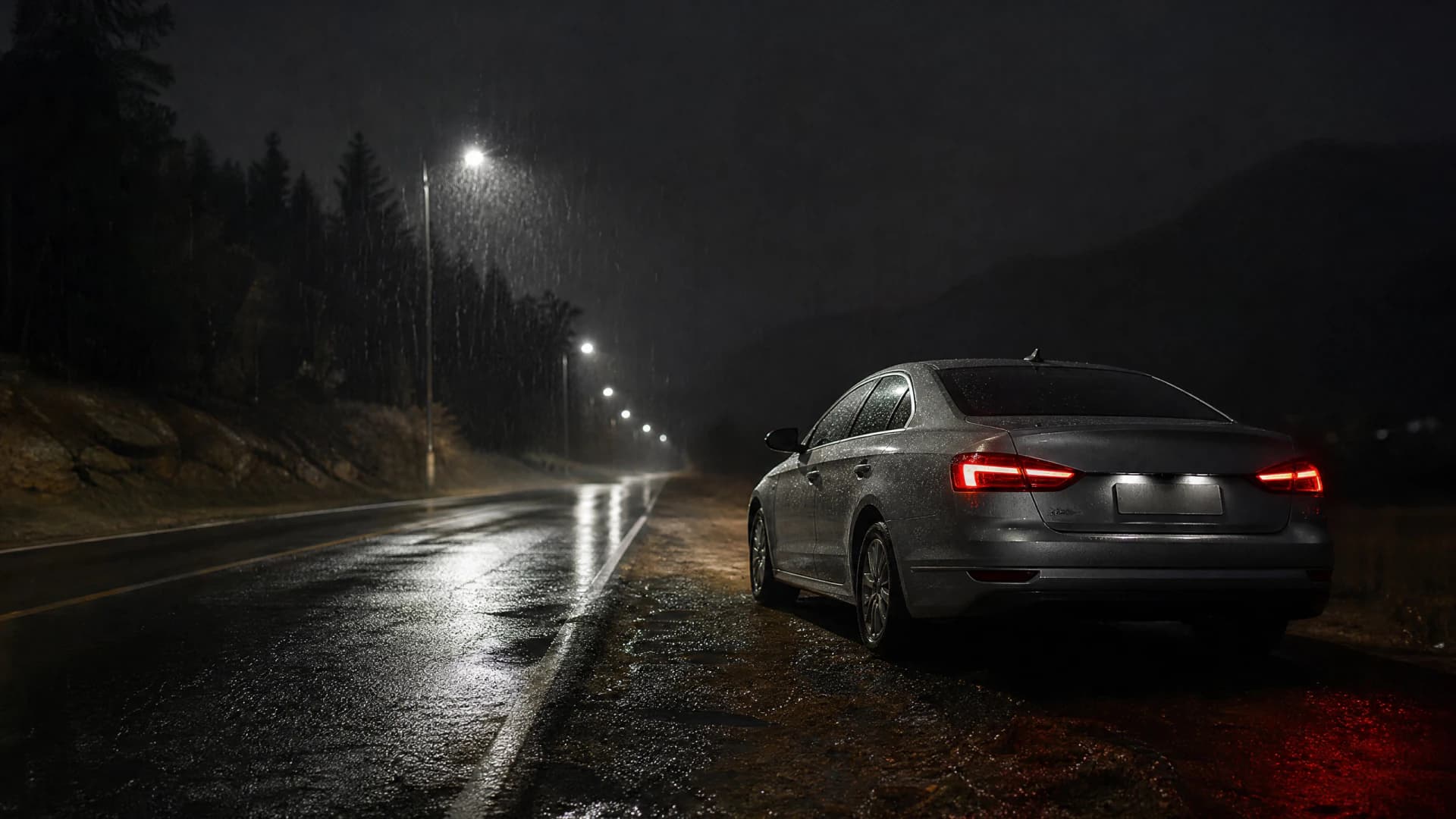
Progressive denies the multi-car discount when any vehicle on the policy is garaged at a different address or titled to someone not listed as a named insured, even if all vehicles sit on the same policy document.



How Utah Households Lose the Discount Without Realizing It
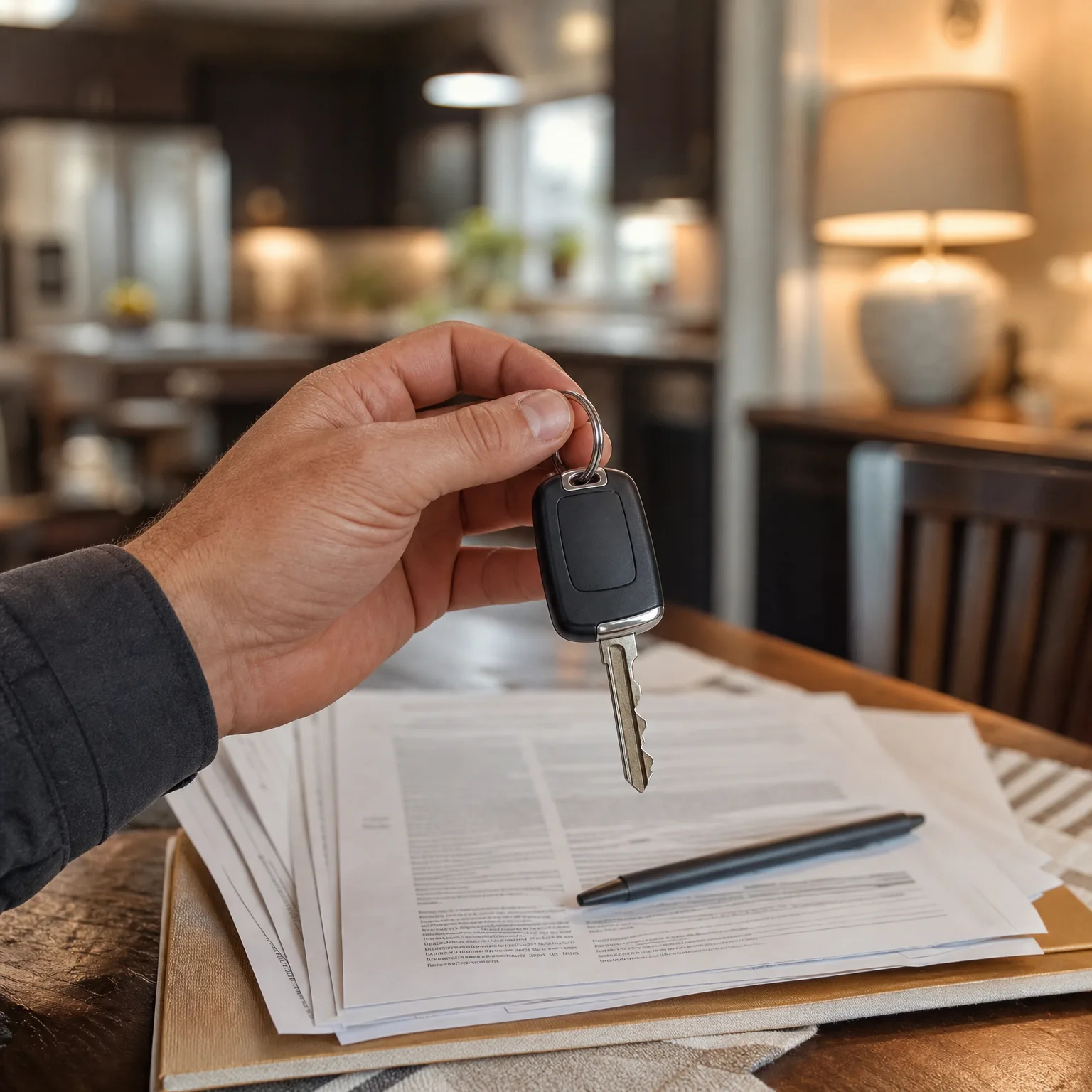
Utah households hit three common structural traps that void Progressive's multi-car discount mid-term. A college student takes a car to school out of state, changing the garaging address. A newly married spouse adds their separately-titled car to the family policy without re-titling or adding themselves as a named insured. A household member buys a car and parks it at their workplace across town, creating a second garaging address. In each case, the policy still covers multiple vehicles, but the discount disappears because the same-address or same-policy requirement is no longer met.
Progressive does not notify you when a garaging address change voids the multi-car discount. The policy renewal reflects the new rate structure, but the explanation often lists the address change as a rating factor without explicitly stating that the discount was removed. Utah drivers discover the loss only when comparing the renewal premium to the prior term and noticing the increase exceeds the cost of adding the new vehicle.
Re-establishing the discount requires moving the vehicle back to the original garaging address or removing it from the policy entirely. If the vehicle cannot be garaged at the same address as the other vehicles, the household must decide whether keeping all vehicles on one policy without the discount costs more than splitting them across two separate policies. Progressive prices each scenario differently based on the garaging ZIP codes involved.
Utah's Personal Injury Protection requirement adds a layer to this decision. Utah requires PIP coverage on every vehicle unless you opt out in writing. Adding a second vehicle to your Progressive policy triggers a second PIP premium, and the multi-car discount does not apply to the PIP portion of the premium in most cases. The discount reduces liability, collision, and comprehensive premiums, but PIP is priced per vehicle regardless of how many cars sit on the policy.
6.2%
Utah Uninsured Motorist Rate
6.2% of Utah drivers carry no insurance. Households insuring multiple vehicles on one Progressive policy can add Uninsured Motorist coverage to every vehicle on the policy, and the multi-car discount applies to UM premiums when all vehicles qualify.
Insurance Information Institute, 2023
Comparing Progressive's Multi-Car Rate to Other Utah Carriers
Progressive writes multi-car policies in Utah alongside 18 other carriers that serve households insuring multiple vehicles. State Farm, Geico, Allstate, Farmers, and USAA all write multi-vehicle policies with their own discount structures and same-policy requirements. Progressive's multi-car discount applies only when every vehicle meets the same-address and same-policy rules; other carriers apply similar requirements but define garaging address and named-insured rules differently.
A household that cannot meet Progressive's same-address requirement may find better combined rates with a carrier that allows multiple garaging addresses under one policy, or by splitting vehicles across two separate policies with different carriers. Utah's competitive carrier market means rate differences between carriers often exceed the value of the multi-car discount itself. Comparing quotes from multiple carriers that write your household's vehicle count and garaging configuration produces more accurate cost data than assuming Progressive's advertised discount will apply to your situation.
Next Step: Compare Carriers That Write Your Vehicle Configuration
Check whether every vehicle you want to insure is garaged at the same address and titled to someone you can list as a named insured on the policy. If yes, request quotes from Progressive and at least two other Utah carriers that write multi-car policies to compare the combined premium with the multi-car discount applied. If no, request quotes for split-policy configurations where vehicles garaged at different addresses sit on separate policies, and compare the combined cost of two policies to the cost of one policy without the discount. Utah's $30,000/$65,000/$25,000 minimums apply to every vehicle regardless of how you structure the policies, so the comparison isolates the rate difference between carriers and discount structures rather than coverage levels.
What Progressive Requires to Apply the Multi-Car Discount
First, every vehicle must be garaged at the same address. Progressive defines garaging address as the location where the vehicle is parked overnight most nights of the year. A car garaged at your home and a second car garaged at your college student's apartment 200 miles away do not qualify for the same-policy discount, even if both are titled to you and listed on one policy. Progressive prices each vehicle based on its garaging ZIP code, and vehicles garaged in different ZIP codes trigger separate rating territories.
Second, every titled owner of every vehicle on the policy must be listed as a named insured on that policy. If your spouse owns a car titled in their name alone and you add it to your Progressive policy without adding your spouse as a named insured, the vehicle does not qualify for the multi-car discount. Progressive treats the vehicle as belonging to someone outside the policy household, which breaks the same-policy rule. Adding your spouse as a named insured re-rates the entire policy based on their driving record, age, and claims history.
Get Your Free Quote
Get My Utah Car Insurance QuoteFrequently Asked Questions
Does Progressive's multi-car discount apply if my second car is garaged at a different address in Utah?
No. Progressive requires every vehicle on the policy to be garaged at the same address to qualify for the multi-car discount. A car garaged at your home and a second car garaged at a different address — even within the same city — do not qualify, and the discount is removed from the policy.
Can I add my spouse's car to my Progressive policy in Utah without adding them as a named insured?
You can add the vehicle, but it will not qualify for the multi-car discount unless your spouse is listed as a named insured on the policy. Progressive requires every titled owner of every vehicle to be a named insured for the discount to apply.
How does Utah's PIP requirement affect Progressive's multi-car discount?
Utah requires Personal Injury Protection on every vehicle unless you opt out in writing. Progressive prices PIP per vehicle, and the multi-car discount typically does not reduce the PIP portion of your premium. The discount applies to liability, collision, and comprehensive premiums when all vehicles meet the same-policy requirements.
What happens to Progressive's multi-car discount if I move one vehicle to a college student's out-of-state address?
The discount is removed from your policy because the vehicles are no longer garaged at the same address. Progressive re-rates the policy based on the new garaging addresses, and you pay separate premiums for each vehicle without the multi-car discount applied.
Does Progressive notify me if my multi-car discount is removed mid-term?
No. Progressive does not send a separate notification when a garaging address change or policy structure change voids the multi-car discount. The renewal notice reflects the new premium, but the explanation typically lists the address change as a rating factor without explicitly stating the discount was removed.
Can I split my vehicles across two Progressive policies in Utah to get better rates?
Progressive allows you to hold multiple policies, but splitting vehicles across two policies means neither policy qualifies for the multi-car discount. You pay two separate single-vehicle premiums. Comparing the combined cost of two single-vehicle policies to one multi-vehicle policy without the discount shows which structure costs less for your household.