
Finding Cheap Multi-Car Insurance — Utah
Free to compare
Why Your Multi-Car Premium Jumped After Adding a Third Vehicle
You added a third car to your Utah policy expecting the multi-car discount to lower your per-vehicle cost. Instead, your premium jumped more than the cost of insuring one additional car. The carrier re-rated every vehicle on the policy, not just the new one, and the discount you expected did not offset the increase.
This happens when the newly-added vehicle changes the policy's risk profile. A truck garaged at a different address, a car titled to a household member who was not previously listed as a driver, or a vehicle with a higher liability exposure can trigger a full re-underwrite. The multi-car discount applies, but the base rate for every car on the policy shifts upward to reflect the new household risk.
“A smaller discount on a lower base rate can beat a larger discount on a higher one.”

Meet Utah's Requirements Without Overpaying
Get My Utah Car Insurance Quote$30,000 / $65,000 / $25,000
Utah Minimum Liability Per Vehicle
Every vehicle on your policy must carry at least this much bodily injury and property damage coverage to meet state registration requirements. Adding a vehicle below these minimums is not permitted.
Utah Department of Insurance
What the Multi-Car Discount Actually Requires
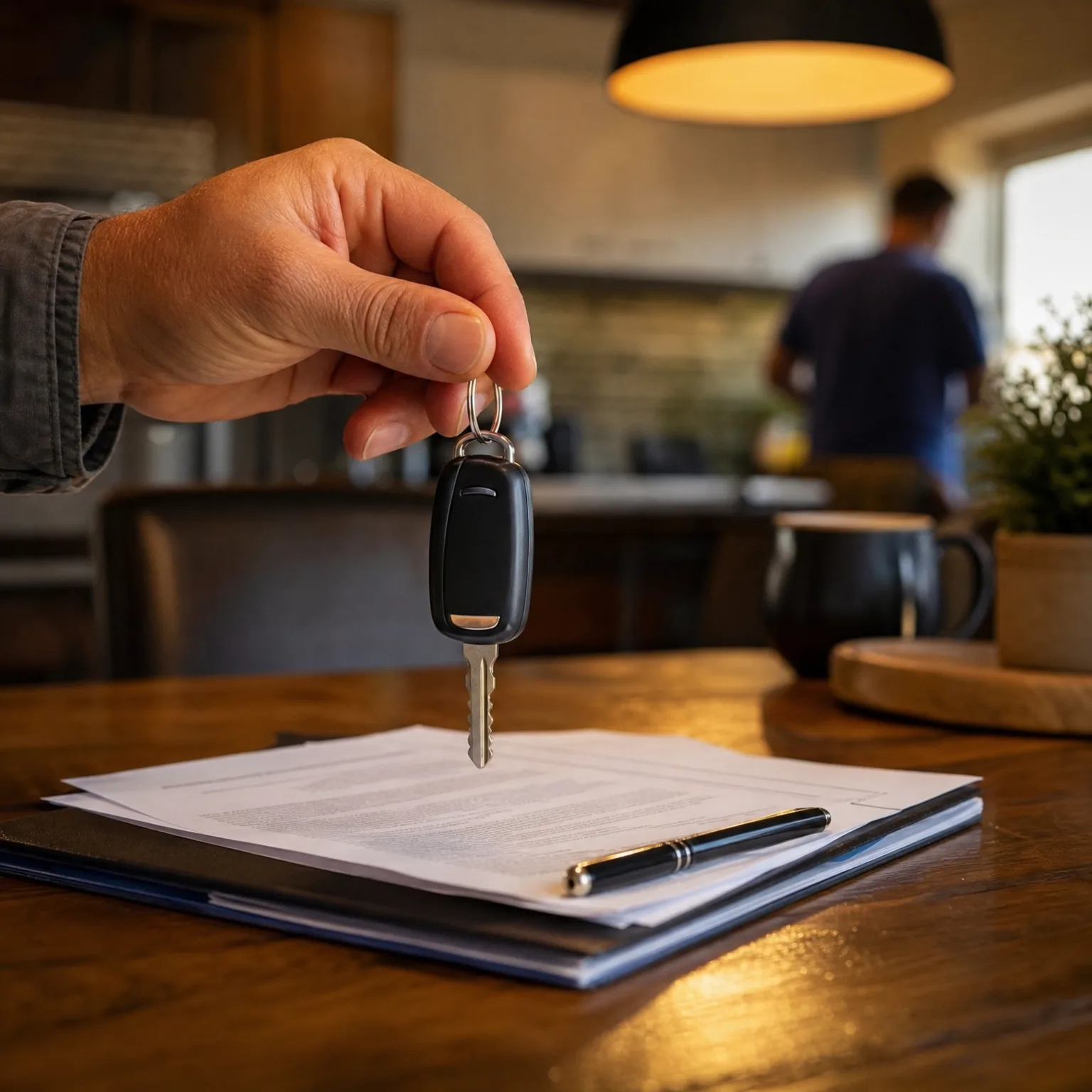
The multi-car discount is not automatic when you own multiple vehicles. It applies only when every vehicle sits on the same policy, is garaged at the same address, and is titled to a household member listed on that policy. A car titled to your adult child who lives elsewhere does not qualify, even if you are helping with the payments.
Carriers verify garaging address and title ownership during underwriting. If one vehicle is garaged at a second property, some carriers will still apply the discount but others will treat it as a separate risk and price it accordingly. The discount percentage varies by carrier, and a smaller discount on a lower base rate can beat a larger discount on a higher one.
When you combine two existing policies after marriage or a household move, the discount applies to the merged policy, but the combined premium is not always lower than the sum of the two separate policies. Each policy had its own risk profile; the merged policy reflects the household's combined risk, which can include a driver with a violation, a vehicle with higher liability exposure, or a garaging address in a higher-rate ZIP code.
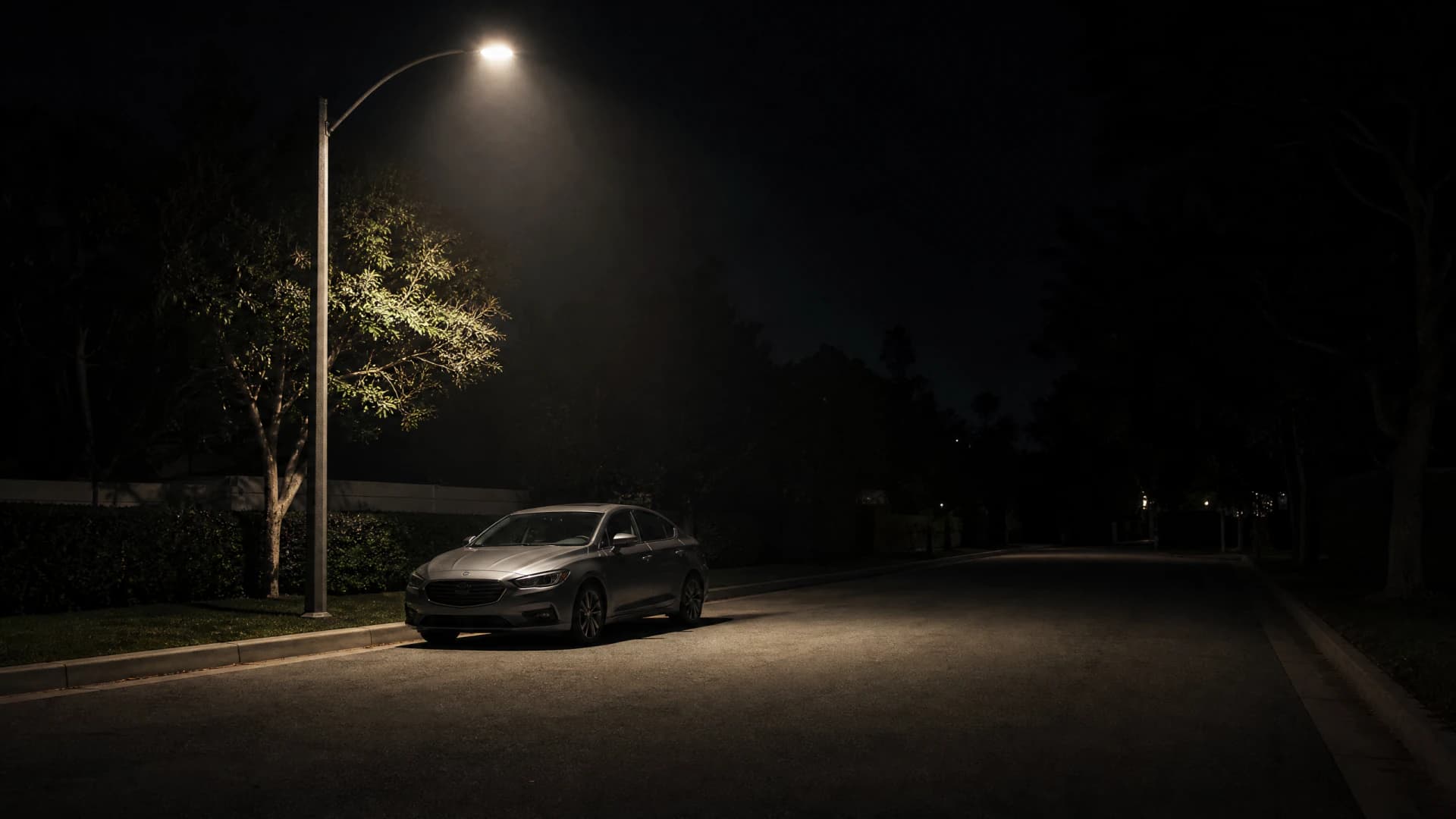
A vehicle titled to someone outside your household or garaged at a second address may not qualify for the same-policy discount, even if you are paying for it.


When Adding a Vehicle Re-Rates the Entire Policy
Adding a vehicle mid-term does not simply add a flat amount to your premium. The carrier re-rates the entire policy to reflect the new household risk. If the newly-added vehicle is a truck with higher liability exposure, or if the driver you are adding has a recent violation, the base rate for every vehicle on the policy can increase.
This re-rate happens at the time you add the vehicle, not at renewal. You will see the new premium on your next billing statement. If the increase is larger than expected, ask the carrier to break down the per-vehicle cost so you can see how much of the increase is the new car and how much is the re-rate of the existing vehicles.
Some carriers allow you to add a vehicle and defer the re-rate until renewal, but this is not standard. If you are adding a third or fourth vehicle and expect the multi-car discount to offset the cost, request a quote before you add the car so you know the actual premium increase in advance.
6.2%
Utah Uninsured Motorist Rate
One in sixteen drivers in Utah carries no insurance. Uninsured motorist coverage is optional in Utah, but it protects your household when an uninsured driver hits one of your vehicles.
Insurance Information Institute, 2023
Comparing Carriers That Write Multi-Vehicle Policies in Utah
Not every carrier that writes auto insurance in Utah offers competitive multi-vehicle pricing. Some carriers specialize in single-vehicle policies and price multi-car households higher. Others build their rate structure around households with multiple vehicles and offer better per-vehicle pricing from the start. The carriers below write multi-vehicle policies in Utah and offer online quotes or agent-assisted quotes for households with two or more cars: Allstate, American Family, CSAA, Farmers, Geico, Liberty Mutual, Nationwide, Progressive, State Farm, and Travelers.
When you request quotes, provide the same coverage limits for every vehicle. Utah requires $30,000 per person and $65,000 per accident in bodily injury liability, plus $25,000 in property damage liability, and personal injury protection is mandatory. If you are comparing full coverage, specify the same collision and comprehensive deductibles for every car so the quotes reflect the same product. A $500 deductible on one vehicle and a $1,000 deductible on another makes the quotes incomparable.
Compare Carriers Writing Your Household's Vehicles
The lowest-cost carrier for a two-car household is not always the lowest for a three-car or four-car household. Carrier pricing models weight household risk differently, and a carrier that offers a strong multi-car discount may still cost more if its base rate is higher. The only way to know which carrier offers the best per-vehicle price for your household is to request quotes from multiple carriers with the same coverage structure and compare the total annual premium divided by the number of vehicles. Use the site's comparison tool to request quotes from carriers writing multi-vehicle policies in Utah, or contact an independent agent who can quote multiple carriers at once.
How to Structure Coverage Across Multiple Vehicles
Start by confirming that every vehicle you want on the same policy is titled to a household member at the same address. If one car is titled to your adult child who lives in a different city, that vehicle belongs on its own policy, not yours. If you are helping with payments, you can be listed as a co-owner on the title, but the garaging address must match the policy address for the multi-car discount to apply.
Next, compare carriers that write multi-vehicle policies in Utah. Not every carrier applies the discount the same way. Some carriers offer a flat per-vehicle discount; others reduce the base rate for the entire policy. A carrier with a higher base rate and a larger discount percentage can still cost more than a carrier with a lower base rate and a smaller discount. Request quotes from at least three carriers that write standard auto in Utah, and provide the same coverage limits and deductibles for every quote so you are comparing the same product.
Get Your Free Quote
Get My Utah Car Insurance QuoteFrequently Asked Questions
Does the multi-car discount apply if one vehicle is garaged at a second address?
It depends on the carrier. Some carriers require every vehicle to be garaged at the same address to qualify for the multi-car discount. Others will apply the discount but may price the second-address vehicle as a separate risk. Ask your carrier how they handle vehicles garaged at different addresses before you add the car to your policy.
Can I add my adult child's car to my policy to get the multi-car discount?
Only if your adult child lives at the same address and the vehicle is titled to a household member on your policy. If your child lives elsewhere, the car belongs on its own policy. A vehicle titled to someone outside your household does not qualify for the same-policy discount, even if you are helping with payments.
How much does adding a third vehicle increase my premium in Utah?
Adding a vehicle re-rates your entire policy, not just the new car. The increase depends on the vehicle's liability exposure, the driver's record, and whether the newly-added car changes your household's risk profile. Request a quote from your carrier before you add the vehicle so you know the actual premium increase in advance.
Is it cheaper to put all my vehicles on one policy or split them across separate policies?
One policy is usually cheaper when every vehicle is titled to a household member at the same address and the drivers have similar risk profiles. Splitting vehicles across separate policies costs more because you lose the multi-car discount, but it can make sense if one vehicle is garaged elsewhere or if a high-risk driver needs to be isolated on their own policy.
Do I need uninsured motorist coverage if I have multiple vehicles in Utah?
Uninsured motorist coverage is optional in Utah, but 6.2% of drivers in the state carry no insurance. If an uninsured driver hits one of your vehicles, uninsured motorist coverage pays for your injuries and vehicle damage up to your policy limits. It is worth considering when you are insuring multiple cars, because the exposure is higher.