
Roadside Assistance on Multi-Car Policies — Utah
Free to compare
The Duplicate Coverage Question
You insure three vehicles on one Utah policy and your carrier offers roadside assistance as an add-on. You already hold an auto-club membership that covers towing and lockouts. You cannot tell whether the insurance add-on duplicates what you already own, whether it covers all three vehicles or just one, and whether dropping one or the other saves money without leaving a gap.
Roadside assistance through your auto insurer typically covers every vehicle listed on the policy under a single per-policy charge. Auto-club memberships cover the member, not the vehicle, meaning the member is covered in any car they drive or ride in. These are different structures, and households with multiple vehicles often pay for both without realizing the overlap.
“A per-policy roadside add-on covers every vehicle on the policy; an auto-club membership covers the member in any vehicle.”

Meet Utah's Requirements Without Overpaying
Get My Utah Car Insurance Quote$30,000 / $65,000 / $25,000
Utah Minimum Liability
Utah requires $30,000 bodily injury per person, $65,000 per accident, and $25,000 property damage. Roadside assistance is optional and sits outside these mandatory minimums.
Utah state minimum liability requirements
How Roadside Assistance Pricing Works on Multi-Car Policies
Most carriers charge roadside assistance as a flat per-policy fee rather than a per-vehicle fee. A household with one car and a household with four cars on the same policy pay the same roadside add-on amount. The coverage extends to every vehicle listed on the policy, and any driver authorized to operate those vehicles can request service.
Auto-club memberships operate differently. The membership follows the person, not the vehicle. A member driving their own car, a household member's car, or a rental is covered. A non-member driving the member's car is not covered. The structural difference matters when multiple drivers share multiple vehicles.
The overlap occurs when a household pays for both. If every driver in the household holds an individual auto-club membership, and the insurance policy also carries roadside assistance, the household is paying twice for the same service category. One structure covers the vehicles; the other covers the people. In a household where the same people drive the same vehicles, the two coverages duplicate.
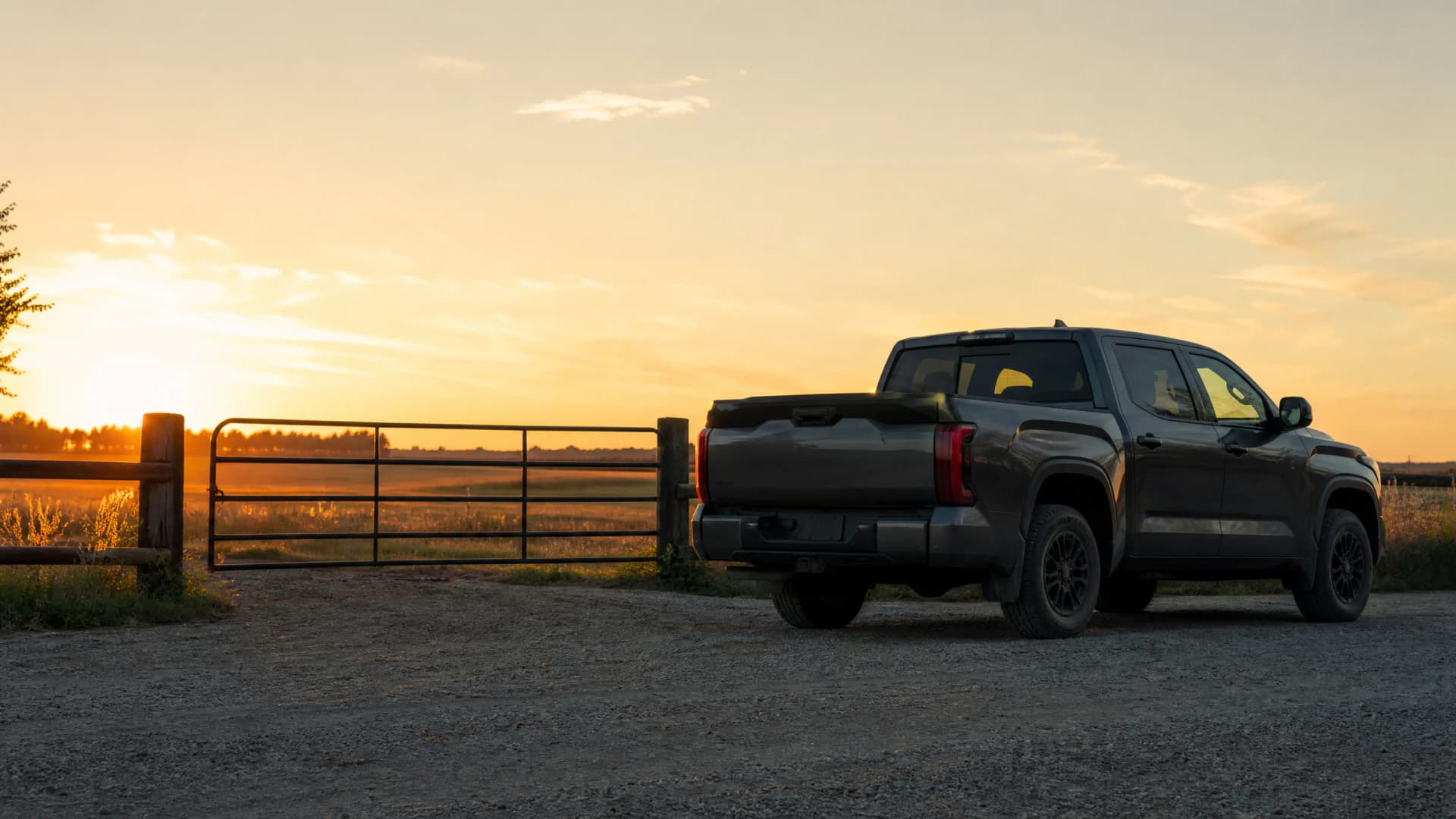
A per-policy roadside add-on covers every vehicle on the policy. An auto-club membership covers the member in any vehicle. Households with both pay twice for overlapping service.



When to Keep the Insurance Add-On
The insurance add-on makes sense when the household does not hold auto-club memberships and insures multiple vehicles. A single per-policy charge covers every vehicle, and any authorized driver can request service. Households with three or more vehicles gain the most value because the per-policy fee does not increase with vehicle count.
The insurance add-on also makes sense when drivers in the household are not the same people who would hold individual memberships. A household with teenage drivers benefits from the insurance add-on because it covers the vehicle regardless of who is driving. An auto-club membership would require each teen to hold their own membership, multiplying cost.
Carriers that write multi-car policies in Utah and offer roadside assistance include State Farm, Geico, Progressive, Allstate, Farmers, and Liberty Mutual. Not every carrier offers the add-on, and pricing varies. The per-policy charge typically appears as a line item on the policy declarations page.
2,876,800
Utah Registered Vehicles
Utah has 2,876,800 registered motor vehicles. Households insuring multiple vehicles represent a significant portion of the state's driver population, and roadside assistance decisions affect total policy cost.
Utah registered motor vehicles, 2022
When to Drop the Insurance Add-On
Drop the insurance add-on when every driver in the household already holds an auto-club membership that covers them in any vehicle. The membership structure duplicates the insurance add-on's vehicle coverage, and paying for both wastes premium. Compare the annual cost of the insurance add-on against the combined cost of existing memberships to confirm the overlap.
Drop the insurance add-on when the household's vehicles are covered by manufacturer roadside assistance programs. Many new vehicles include complimentary roadside assistance for the first three to five years. Adding insurance-based roadside assistance on top of manufacturer coverage duplicates service and adds no value. Check the vehicle's warranty documentation to confirm what is already included.
Compare Your Coverage and Act
List every roadside service you currently pay for: the insurance add-on, auto-club memberships, manufacturer programs, and credit card benefits. Note the annual cost of each and the service limits. Identify overlaps where two sources cover the same service for the same vehicles or drivers. Drop the redundant coverage that costs more or offers fewer service calls per year. If you insure multiple vehicles in Utah and need roadside assistance, request quotes with and without the add-on to see the per-policy cost difference. Compare that figure against your existing memberships and choose the structure that covers your household's vehicles and drivers without duplication.
What Roadside Assistance Actually Covers
Towing is the most-used service. Carriers typically cover towing to the nearest repair facility up to a specified distance, commonly 15 to 25 miles. Towing beyond that distance incurs out-of-pocket cost. Auto-club memberships often cover longer towing distances, sometimes 100 miles or more depending on membership tier, making them more valuable for rural drivers or households that travel long distances regularly.
Lockout service, battery jump-start, flat tire change using the vehicle's spare, and fuel delivery are standard across both insurance add-ons and auto-club memberships. The service itself is identical; the difference lies in who is covered and how many service calls are permitted per year. Insurance-based roadside assistance typically allows unlimited calls. Auto-club memberships cap calls per membership year, often at four to six, depending on tier.
Get Your Free Quote
Get My Utah Car Insurance QuoteFrequently Asked Questions
Does roadside assistance on my Utah auto policy cover all my cars?
Yes. Roadside assistance added to a multi-car policy covers every vehicle listed on that policy. The charge is per policy, not per vehicle, so a household with four cars pays the same add-on amount as a household with one car.
Can I use both my auto-club membership and my insurance roadside assistance?
Yes, but using both for the same incident is not permitted. You choose one service to call. If you hold both, you are paying for duplicate coverage, and one should be dropped to avoid wasting premium.
Does roadside assistance through insurance cost more than an auto-club membership?
It varies by carrier and membership tier. Insurance-based roadside assistance typically costs less annually for multi-car households because the per-policy charge covers every vehicle. Auto-club memberships charge per member, so a household with three drivers pays three times the membership fee.
What happens if I drop roadside assistance from my Utah policy?
Your premium decreases by the per-policy add-on amount. You lose access to carrier-provided towing, lockout, and battery service. If you hold an auto-club membership or manufacturer roadside program, those remain active and continue to cover you.
Do I need roadside assistance if my car is new?
Most new vehicles include manufacturer roadside assistance for three to five years. Adding insurance-based roadside assistance on top of manufacturer coverage duplicates service. Check your vehicle warranty to confirm what is already included before adding the insurance option.