
Choosing a Car Insurance Company — Utah
Free to compare
Why Multi-Vehicle Households Choose Differently
You own two or three cars. You've pulled quotes from five carriers. The premiums vary by hundreds of dollars annually, even though you entered identical coverage limits every time. One carrier quotes your second vehicle at nearly the same rate as your first; another drops the second-car premium by a third. You're not comparing apples to apples—you're comparing how each carrier's rating engine treats a multi-vehicle policy.
Utah households insure 2,876,800 registered vehicles across 2,252,656 licensed drivers—a ratio that signals many households carry coverage for more than one car. Choosing a carrier for a multi-vehicle policy requires evaluating how they structure the discount, whether they re-rate every vehicle when you add one mid-term, and how they handle vehicles titled to different household members. The advertised discount percentage tells you almost nothing about your actual premium.
“The carrier that quotes your first car lowest often quotes your second or third car highest—multi-vehicle rating is not linear.”

Meet Utah's Requirements Without Overpaying
Get My Utah Car Insurance Quote$30,000 / $65,000 / $25,000
Utah Minimum Liability Limits
Bodily injury per person, per accident, and property damage. Every vehicle on your policy must meet these minimums. Carriers price above-minimum coverage differently—some charge steep increments for higher limits, others keep the curve flat.
Utah state minimum liability requirements
How Carriers Rate Multiple Vehicles on One Policy
The multi-car discount is not a flat percentage applied to your total premium. Most carriers apply it per vehicle after rating each car individually. A carrier rates your first vehicle at full price, then applies a discount to the second and third. The size of that discount varies by carrier, but the base rate each vehicle starts from varies even more. A smaller discount on a lower base rate beats a larger discount on a higher one.
When you add a vehicle mid-term, the carrier re-rates the entire policy. Your existing vehicles don't stay at their original premiums—the system recalculates every car's rate based on the new household profile. If your third vehicle is a high-value SUV or a car driven by a younger household member, that addition can push every vehicle into a higher rating tier. Some carriers minimize this ripple effect; others let it compound across the policy.
Vehicles titled to different household members complicate the structure further. Most carriers require every household vehicle to sit on the same policy to qualify for the multi-car discount, but a car titled to an adult child living elsewhere or a vehicle garaged at a second address may not meet that same-policy rule. Clarify the titling and garaging requirements with each carrier before assuming every household car qualifies.
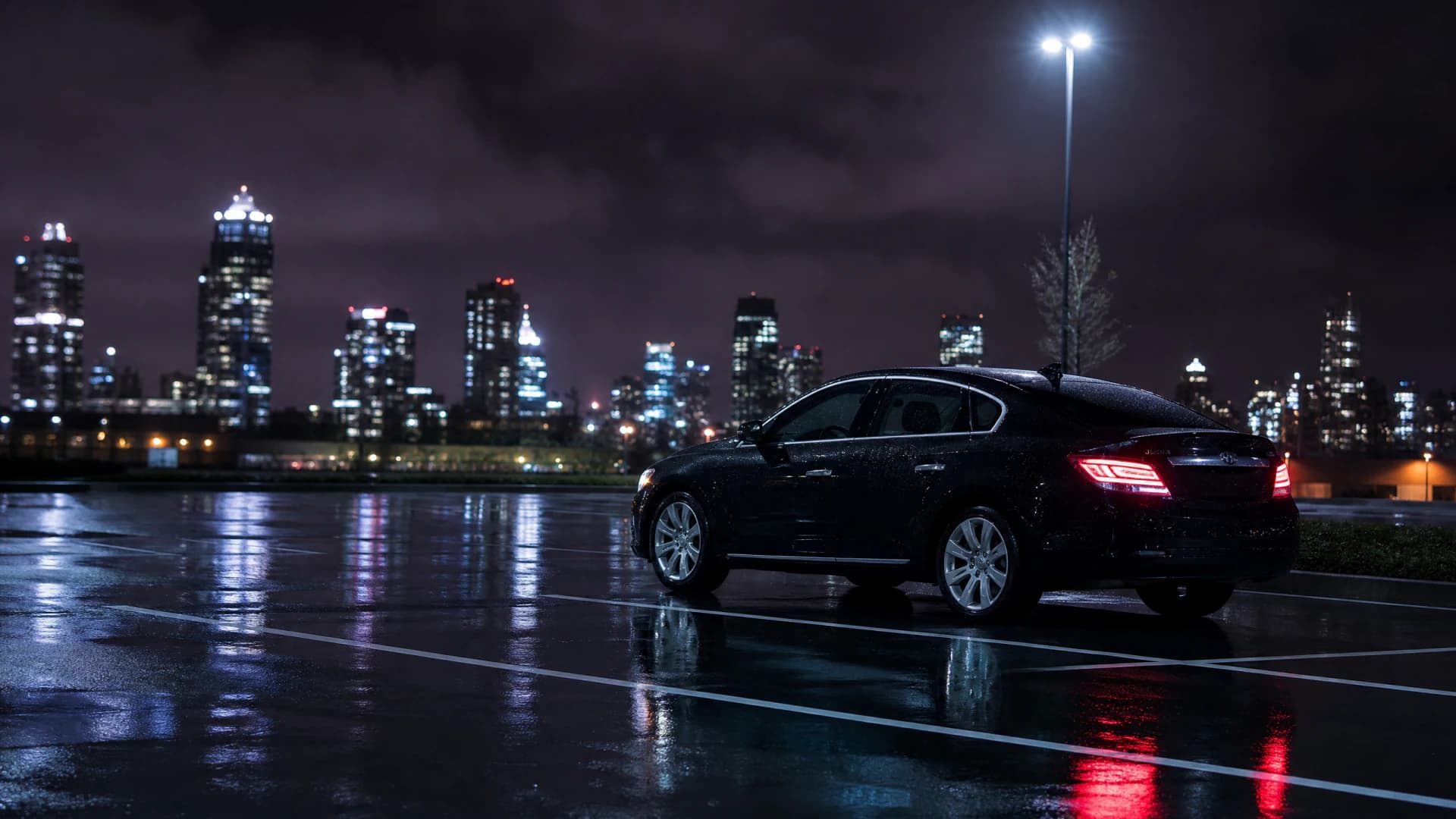
The carrier that quotes your first car lowest often quotes your second or third car highest. Multi-vehicle rating is not linear.
Related Articles






Combining Policies After Marriage or a Move
Two separate single-car policies usually cost more than one multi-car policy covering both vehicles, but not always. When you combine policies, the carrier re-rates both cars under the new household profile. If one spouse carries a recent ticket or accident, that record now affects both vehicles' premiums. If one policy was with a preferred-tier carrier and the other with a standard-tier carrier, combining them may push both vehicles into the standard tier.
Run quotes for a combined policy and compare them against your current separate premiums. If combining saves money, most carriers let you merge policies mid-term and prorate the refund from the canceled policy. If combining costs more, you can keep separate policies until the next renewal, then re-evaluate. Titling both vehicles to the same household address and listing both drivers on both policies is usually required to qualify for the multi-car discount, even when the cars stay on separate policies initially.
Utah requires proof of insurance at registration and during traffic stops. When you combine policies, confirm that both vehicles appear on the new policy's declarations page and that the carrier files updated proof with the state.
2,876,800
Utah Registered Vehicles
Across 2,252,656 licensed drivers, the ratio signals that many Utah households insure more than one vehicle. Carriers writing in Utah structure multi-car discounts differently—some apply the discount only when every vehicle is titled to the same person, others allow household-member vehicles on the same policy.
Utah registered motor vehicles, 2022

When to Switch Carriers
Switching carriers mid-term is allowed, but most households switch at renewal to avoid short-rate cancellation penalties. If your current carrier raises your premium at renewal and a competitor quotes you lower for identical coverage, request the new policy to start on your renewal date. The new carrier binds coverage the day your old policy expires, and you avoid any gap.
If you add a vehicle mid-term and your current carrier's re-rated premium jumps significantly, get quotes from other carriers before accepting the increase. Some carriers penalize mid-term vehicle additions more than others. If a competitor offers a better rate for the new multi-vehicle policy, you can switch immediately—your current carrier will prorate your refund for the unused portion of the term.
Compare Carriers That Write Your Household Profile
Not every carrier writes every household. If one of your vehicles is a high-performance car, a commercial-use truck, or a classic you drive occasionally, some carriers exclude it or price it prohibitively. If a household member is under 25 or carries a recent violation, some preferred-tier carriers decline the policy entirely. Start by confirming which carriers will write your full household before comparing premiums.
Get quotes from at least three carriers that write multi-vehicle policies in Utah. Enter identical coverage limits, deductibles, and driver information at each. Compare the total annual premium, the per-vehicle breakdown, and how each carrier applies the multi-car discount. The carrier that quotes your household lowest today may not stay lowest after you add another vehicle or after a driver's record changes—re-shop your policy every renewal to confirm you're still with the best fit.
What to Compare Across Carriers
Quote the same limits at every carrier so you're comparing rating structures, not coverage differences. Include uninsured motorist coverage in every quote; Utah does not mandate it, but 6.2% of Utah motorists drive uninsured, and a claim against an uninsured driver leaves you covering your own repairs and medical bills without it.
Compare how each carrier prices collision and comprehensive coverage across your vehicles. A $500 deductible on your primary car and a $1,000 deductible on a second vehicle you drive less often can lower your total premium without leaving you underinsured. Some carriers offer usage-based programs that drop premiums for low-mileage vehicles—if one of your cars sits in the garage most of the week, ask whether a telematics or low-mileage discount applies. Carriers writing multi-vehicle policies in Utah include Geico, State Farm, Progressive, Allstate, Farmers, USAA, Liberty Mutual, and others; not all offer the same discount structure or usage-based options.
Get Your Free Quote
Get My Utah Car Insurance QuoteFrequently Asked Questions
Do all carriers in Utah offer a multi-car discount?
Most carriers writing in Utah offer a multi-car discount, but the size and structure vary. Some apply the discount only when every vehicle is titled to the same person and garaged at the same address; others allow vehicles titled to different household members on the same policy. The discount percentage is less important than how the carrier rates each vehicle before applying it.
Can I insure two cars on separate policies in Utah?
Yes, but one multi-car policy usually costs less than two separate single-car policies. If you keep separate policies, you lose the multi-car discount and pay two policy fees. The exception is when one vehicle or driver carries a high-risk profile that would raise the premium on both cars if combined—in that case, separate policies may cost less.
What happens if I add a car mid-term in Utah?
Your carrier re-rates the entire policy when you add a vehicle mid-term. Your existing vehicles don't stay at their original premiums—the system recalculates every car based on the new household profile. Most carriers give you a grace period to report the new vehicle, typically 14 to 30 days, but coverage during that window may be limited to Utah's minimum liability limits.
Does Utah require the same coverage on every vehicle?
Utah requires every vehicle to meet the state's $30,000 / $65,000 / $25,000 minimum liability limits, but you can carry different collision, comprehensive, and deductible levels across your cars. A higher deductible on a second vehicle you drive less often can lower your total premium without leaving you underinsured.
How do I know which carrier rates my household best?
Get quotes from at least three carriers that write multi-vehicle policies in Utah, entering identical coverage limits and driver information at each. Compare the total annual premium and the per-vehicle breakdown. The carrier that quotes your household lowest today may not stay lowest after you add another vehicle or after a driver's record changes—re-shop every renewal.