
Cheapest Car Insurance Company — Utah
Free to compare
Why the Cheapest Carrier Depends on Your Household
You need to insure two or more vehicles in Utah and you want the lowest premium you can find. The question seems simple: which carrier is cheapest? The structural reality is that no single carrier wins for every household. A carrier that quotes the lowest rate for one car often loses once you add a second vehicle, because the multi-car discount applies differently across the roster. The carrier with the smallest discount on the lowest base rate can beat the carrier with the largest discount on a higher base.
Utah's carrier roster includes more than 20 companies writing standard and non-standard auto policies. Allstate, American Family, Geico, Progressive, State Farm, and USAA all write multi-car policies in the state, alongside regional and non-standard carriers like Bristol West, Dairyland, GAINSCO, and The General. Each prices its base rate and multi-car discount independently. The only way to identify the cheapest carrier for your household is to compare quotes that reflect your actual vehicle count, garaging address, and driver profile.
“The carrier with the smallest discount on the lowest base rate can beat the carrier with the largest discount on a higher base.”

Meet Utah's Requirements Without Overpaying
Get My Utah Car Insurance Quote$97/mo
Utah Average Monthly Premium
The NAIC Auto Insurance Database Report 2023 places Utah's average monthly auto insurance expenditure at $97 per insured vehicle. Your household's actual premium depends on the number of vehicles, coverage selections, and each driver's record.
NAIC Auto Insurance Database Report 2023
How the Multi-Car Discount Changes the Comparison
The multi-car discount requires every vehicle to sit on the same policy. When you add a second car, the carrier re-rates the entire policy and applies the discount to both vehicles. The discount percentage alone does not tell you which carrier wins—you need the post-discount total for your actual household.
Carriers structure the discount differently. Some apply a flat percentage to each vehicle; others reduce the base rate before calculating the premium. A few carriers tier the discount by vehicle count, so the third car receives a larger discount than the second. These structural differences mean the cheapest carrier for two cars is not always the cheapest for three or four.
The multi-car discount also interacts with other discounts. If you qualify for a safe-driver discount, a paid-in-full discount, or a bundling discount for combining auto and home policies, the order in which the carrier applies those discounts affects the final premium. One carrier might apply the multi-car discount first and then the safe-driver discount; another might reverse the order.
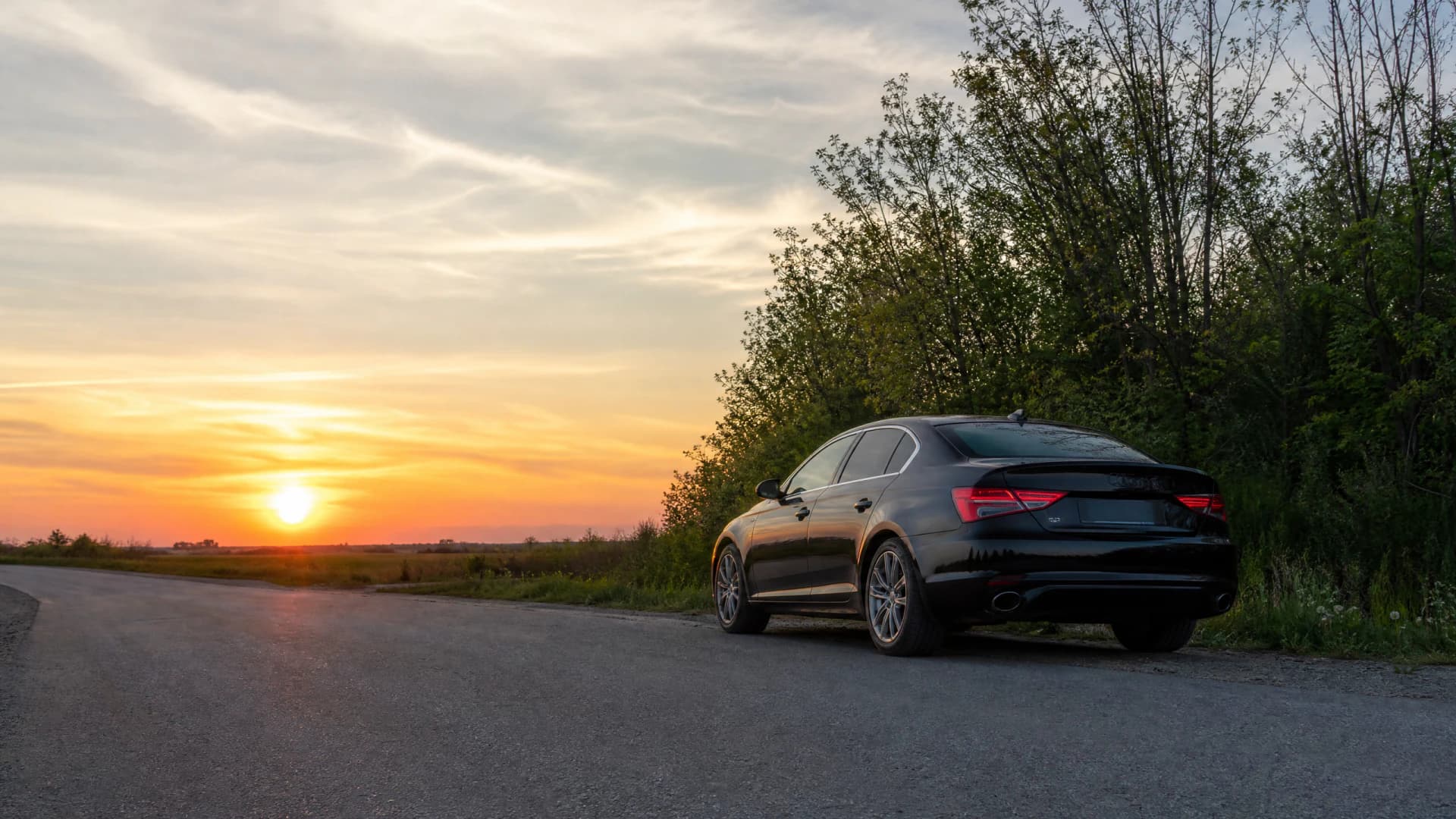
The carrier that quotes the lowest rate for your first car often loses once the multi-car discount applies to a second or third vehicle.




How to Compare Carriers for Your Household
Start by listing every vehicle you need to insure and every driver in the household. The carrier needs the year, make, model, and VIN for each vehicle, plus the name, age, license number, and driving history for each driver. If a household member has their own policy elsewhere, decide whether combining policies lowers the total cost or raises it—sometimes two separate policies cost less than one combined policy, especially if one driver has a violation and the other does not.
Request quotes from at least five carriers. Include one preferred-tier carrier like State Farm or USAA if you qualify, one standard carrier like Geico or Progressive, and one non-standard carrier like Bristol West or The General if your household includes a high-risk driver. Each quote should reflect the same coverage limits and deductibles so you can compare the premium directly.
When you receive the quotes, check whether the multi-car discount applied automatically. Some carriers apply it without prompting; others require you to confirm that every vehicle will sit on the same policy. If the quote does not show a multi-car discount and you are insuring two or more vehicles, ask the agent or the online tool to apply it. A missing discount can make a competitive carrier look expensive when it would actually quote lower than the others once the discount is added.
20+ carriers
Utah Auto Insurance Roster
Utah's carrier roster includes more than 20 companies writing auto policies across preferred, standard, and non-standard tiers. Comparing quotes from carriers in each tier ensures you see the full range of rates available for your household.
Utah Department of Insurance
When the Cheapest Carrier Changes
The cheapest carrier at policy inception is not always the cheapest at renewal. Carriers adjust rates annually based on claims experience, and a carrier that priced aggressively to win new business one year might raise rates the next. If your premium increases at renewal by more than 10 percent and you have not filed a claim or added a driver, request quotes from other carriers. The multi-car discount does not lock you into one carrier—you can switch at any time without penalty as long as you maintain continuous coverage.
Life changes also shift the comparison. Adding a third vehicle, removing a driver, moving to a new ZIP code, or paying off a car loan all trigger a re-rate. When any of these events occurs, compare quotes again. The carrier that was cheapest for two vehicles might not be cheapest for three, and the carrier that priced a financed vehicle lowest might not price a paid-off vehicle the same way.
Compare Carriers That Write Your Household
Utah's carrier roster writes different household profiles. USAA writes only military-affiliated households. Some preferred-tier carriers will not write a household with a DUI or a suspended license. Non-standard carriers like Bristol West and GAINSCO specialize in high-risk drivers but often quote higher for clean-record households than standard carriers do. The cheapest carrier for your household is one that writes your profile and applies a multi-car discount that lowers the total premium below every other option. Compare quotes from carriers that write policies for households like yours, apply the same coverage limits to every quote, and confirm the multi-car discount appears before you choose.
What Drives Rate Differences Across Utah Carriers
Utah requires minimum liability coverage of $30,000 per person, $65,000 per accident for bodily injury, and $25,000 for property damage. The state also mandates personal injury protection. Every carrier must meet these minimums, but each prices them differently based on its claims experience in Utah. A carrier that has paid fewer claims in your ZIP code will price lower than one that has paid more, even when both offer identical coverage. Garaging address matters: a vehicle garaged in Salt Lake City will quote higher than the same vehicle garaged in a rural county, because theft and collision frequency differ.
Driver profile drives the next layer of variance. Age, driving record, credit score where lawful, and years of continuous coverage all factor into the base rate. Carriers weight these inputs differently. One carrier might penalize a single at-fault accident heavily; another might price it as a minor factor if you have ten years of clean history before it. A household with multiple drivers—especially if one is under 25—will see wider rate variance across the roster than a household with two drivers over 40. The cheapest carrier for a household with a teen driver is rarely the cheapest for a household with two middle-aged drivers.
Get Your Free Quote
Get My Utah Car Insurance QuoteFrequently Asked Questions
Which car insurance company is cheapest in Utah?
No single carrier is cheapest for every household in Utah. The lowest rate depends on your vehicle count, garaging address, driver ages, and driving records. Geico, Progressive, State Farm, and American Family all write multi-car policies in Utah, but the cheapest option for your household requires comparing quotes that reflect your actual situation.
Does the multi-car discount apply automatically in Utah?
Most carriers apply the multi-car discount automatically when you insure two or more vehicles on the same policy, but some require you to confirm that every vehicle will sit on one policy. If your quote does not show a multi-car discount and you are insuring multiple vehicles, ask the agent or the online tool to apply it before comparing rates.
How much does the multi-car discount save in Utah?
The multi-car discount structure varies by carrier, and the total savings depends on your base rate, vehicle count, and other discounts you qualify for. A carrier with a smaller discount on a lower base rate can deliver a lower total premium than a carrier with a larger discount on a higher base. Compare post-discount totals from multiple carriers to identify the lowest rate for your household.
Can I switch carriers if my premium increases at renewal?
Yes. You can switch carriers at any time without penalty as long as you maintain continuous coverage. If your premium increases at renewal by more than 10 percent and you have not filed a claim or added a driver, request quotes from other carriers to see if a lower rate is available.
What information do I need to compare car insurance quotes in Utah?
You need the year, make, model, and VIN for each vehicle, plus the name, age, license number, and driving history for each driver in the household. Request quotes from at least five carriers and apply the same coverage limits and deductibles to every quote so you can compare premiums directly.