
New Car Insurance Requirements — Utah
Free to compare
The Grace Period Starts at Purchase, Not Notification
You drove your new car off the lot and assumed your existing multi-vehicle policy would cover it automatically for a reasonable window while you sorted out the paperwork. That assumption is half right: most Utah carriers extend automatic coverage to a newly acquired vehicle for 14 to 30 days, but the clock starts the moment you take ownership, not when you call your agent or submit the VIN online. If you wait three weeks to report the purchase and your carrier's grace period is 14 days, the new car has been uninsured for a week, and any claim filed during that gap can be denied retroactively.
This article walks through Utah's minimum coverage requirements for a new vehicle, the specific timing rules that govern grace periods, how adding a car mid-term re-rates your entire policy, and the steps to take the day you buy to keep every vehicle on your policy compliant and covered.
“The grace period clock starts at purchase, not notification—miss the window and claims can be denied retroactively.”

Meet Utah's Requirements Without Overpaying
Get My Utah Car Insurance Quote$30,000/$65,000/$25,000
Utah Minimum Liability Limits
Every vehicle registered in Utah must carry at least $30,000 bodily injury per person, $65,000 bodily injury per accident, and $25,000 property damage. Personal injury protection is also mandatory.
Utah Driver License Division
What Utah Requires on Every Vehicle You Own
Utah law requires every registered vehicle to carry liability insurance meeting the state minimums: $30,000 bodily injury per person, $65,000 bodily injury per accident, and $25,000 property damage. Personal injury protection coverage is mandatory regardless of fault. Uninsured motorist coverage is not required but is offered by every carrier writing in the state.
When you own multiple vehicles, each one must meet these minimums individually. The multi-car discount applies when every vehicle sits on the same policy, but the discount does not reduce the per-vehicle coverage floor. A household with three cars needs three sets of liability limits, three PIP endorsements, and proof of insurance for each VIN.
The state does not distinguish between a primary vehicle and a secondary one for coverage purposes. A car you drive daily and a truck you use twice a month both require the same minimum coverage, and both must appear on your policy or on a separate policy that meets state requirements. Driving an uninsured vehicle, even one you own and rarely use, is a violation that triggers license suspension and reinstatement fees.
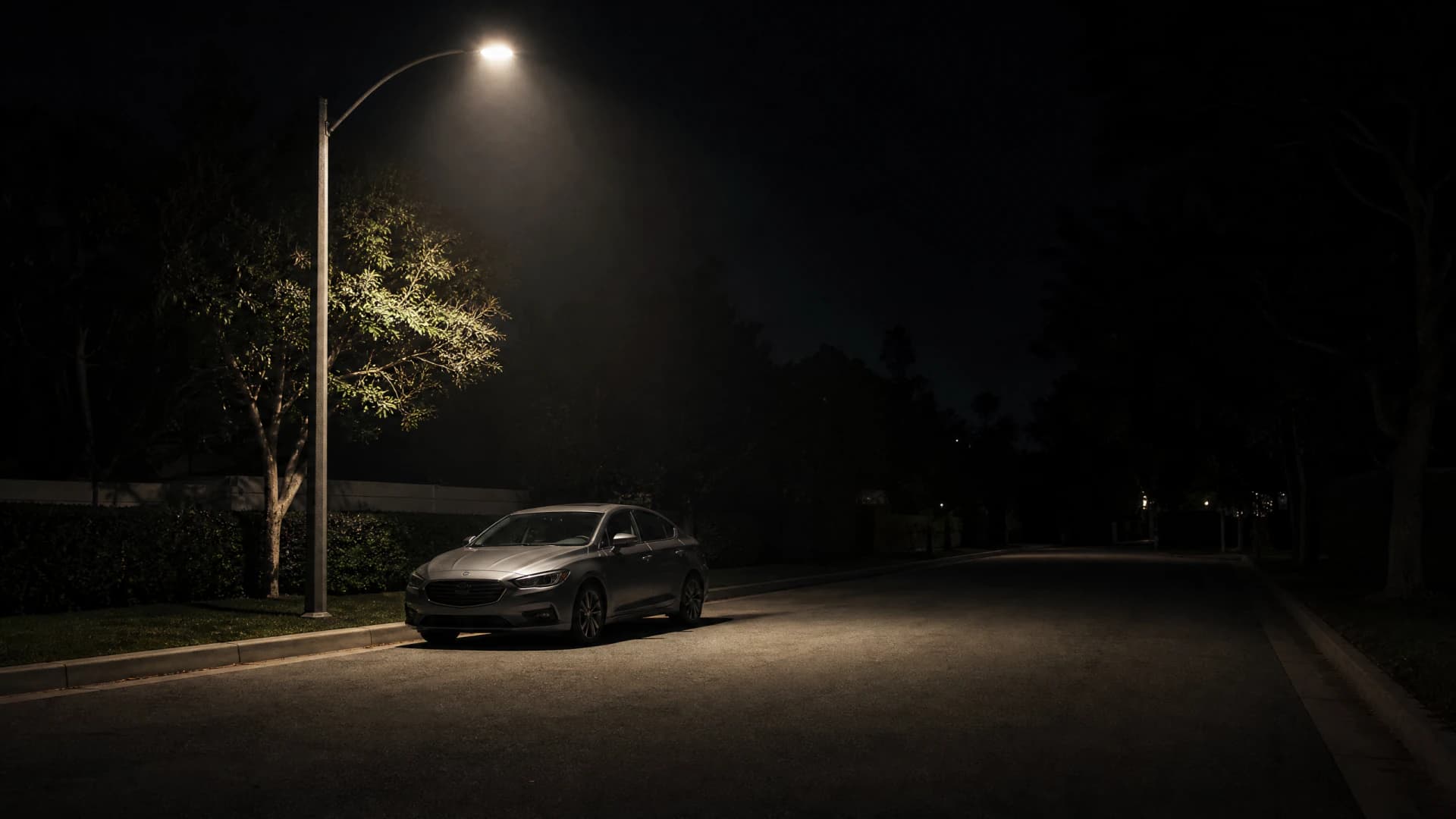
The grace period clock starts at purchase, not when you notify your carrier. A 14-day window that expires before you report the vehicle leaves you uninsured retroactively.
Related Articles





Adding a Vehicle Re-Rates Your Entire Policy Mid-Term
When you add a new vehicle to an existing multi-car policy, the carrier re-rates the entire policy, not just the new car. The premium adjustment reflects the added vehicle's make, model, year, garaging address, and how it changes the household's overall risk profile. A household adding a third car may see the total premium rise by more than the cost of insuring that single vehicle in isolation, because the multi-car discount recalculates across all three vehicles and the base rate adjusts to reflect the increased exposure.
The re-rating happens at the moment you add the vehicle, not at your next renewal. If you add a car in March and your policy renews in September, the new premium takes effect immediately and you pay the prorated difference for the remainder of the term. Some carriers apply the multi-car discount automatically when the new vehicle is added; others require you to request it explicitly. If your premium increases more than expected after adding a vehicle, confirm that the multi-car discount applied to every car on the policy.
Carriers writing in Utah that offer multi-car discounts include Allstate, American Family, Farmers, Geico, Liberty Mutual, National General, Progressive, and State Farm. The discount structure and the same-policy requirement vary by carrier. Most require every vehicle to be garaged at the same address and titled to a household member listed on the policy. A vehicle titled to someone outside the household or garaged at a different address may not qualify for the same-policy discount even if you pay for its coverage.
2,876,800
Registered Vehicles in Utah
Utah had 2,876,800 registered motor vehicles as of 2022, with 2,252,656 licensed drivers. The state's vehicle-to-driver ratio means many households insure multiple cars on a single policy.
Utah DMV

What Happens If You Miss the Grace Period
If you do not add the new vehicle to your policy within the carrier's grace period, the vehicle is uninsured from the moment the grace period expires. Any accident, theft, or damage that occurs after the grace period lapses is not covered, and you are personally liable for all costs. Utah law treats driving an uninsured vehicle as a violation regardless of whether you own other insured vehicles on the same policy.
The state can suspend your registration and your driver license if you are caught driving an uninsured vehicle or if an uninsured vehicle you own is involved in an accident. If the lapse triggers a financial-responsibility filing requirement, you may also need to file an SR-22 certificate for three years. The SR-22 filing itself does not cost more than a standard policy, but carriers that write SR-22 coverage often charge higher base rates for drivers with a lapse or violation history.
Steps to Take the Day You Buy the New Car
Call your carrier or log into your account the same day you purchase the vehicle. Provide the VIN, the purchase date, the vehicle's make and model, and the garaging address. Ask the agent to confirm the grace period in writing and to add the vehicle to your policy immediately if the grace period is shorter than you expected. If you are financing the vehicle, the lender will require proof of comprehensive and collision coverage in addition to Utah's liability and PIP minimums, and the lender must be listed as a loss payee on the policy.
If you are replacing an existing vehicle rather than adding one, tell the carrier which vehicle is being removed and confirm that the removal takes effect on the same date the new vehicle is added. Removing a vehicle mid-term usually triggers a prorated refund, but the refund amount depends on how the multi-car discount recalculates across the remaining vehicles. If the household drops from three cars to two, the per-vehicle premium may rise even though the total premium falls.
How the Grace Period Works When You Add a Vehicle
When you buy a new car and already carry a multi-vehicle policy, your existing liability and PIP coverage typically extends to the new vehicle for 14 to 30 days from the date of purchase. The exact window depends on your carrier: Geico, Progressive, and State Farm each publish grace-period terms in their policy documents, and most fall in the 14-to-30-day range. The grace period applies only if you already insure at least one vehicle with that carrier and the new vehicle replaces an existing one or is an additional vehicle you intend to add to the same policy.
The grace period does not extend indefinitely, and it does not restart when you eventually notify the carrier. If you purchase a car on June 1 and your carrier's grace period is 14 days, coverage expires on June 15 whether you reported the purchase or not. A claim filed on June 20 will be denied if you did not formally add the vehicle by the grace-period deadline. The carrier has no obligation to cover a vehicle it does not know exists beyond the automatic extension window, and retroactive coverage is not available once the grace period lapses.
Get Your Free Quote
Get My Utah Car Insurance QuoteFrequently Asked Questions
Does my existing Utah car insurance automatically cover a new car I just bought?
Most Utah carriers extend automatic coverage to a newly purchased vehicle for 14 to 30 days if you already insure at least one vehicle with that carrier. The grace period starts the day you take ownership, not when you notify the carrier. Coverage expires at the end of the grace period whether you reported the purchase or not.
How long do I have to add a new car to my Utah insurance policy?
The grace period varies by carrier but typically ranges from 14 to 30 days from the date of purchase. Geico, Progressive, and State Farm each publish specific grace-period terms in their policy documents. Contact your carrier the day you buy the vehicle to confirm the exact window and avoid a coverage gap.
What happens if I don't add my new car to my policy within the grace period?
The vehicle becomes uninsured the moment the grace period expires. Any accident or damage after that date is not covered, and you are personally liable for all costs.
Does adding a new car to my Utah policy increase my premium?
Yes. Adding a vehicle re-rates your entire policy immediately, not just at renewal. The premium increase reflects the new vehicle's risk profile and how the multi-car discount recalculates across all vehicles on the policy. The increase may be larger than the cost of insuring the new car alone.
Do I need the same coverage on every car I own in Utah?
Every registered vehicle in Utah must carry at least $30,000/$65,000/$25,000 liability and personal injury protection. You can carry higher limits or add comprehensive and collision coverage to individual vehicles, but every car must meet the state minimums. A rarely driven vehicle requires the same minimum coverage as your daily driver.
Can I insure a new car on a different policy than my other vehicles?
Yes, but splitting vehicles across multiple policies usually costs more than insuring them on one policy with a multi-car discount. Most Utah carriers require every vehicle on the same policy to be garaged at the same address and titled to a household member listed on the policy.