
Multi-Car Insurance Requirements — Utah
Free to compare
When Adding a Vehicle Changes Your Policy Structure
You just bought a second car and called your carrier to add it. The agent quoted a higher premium than expected and mentioned the multi-car discount only applies if both vehicles stay on the same policy at the same garaging address. You assumed adding a car meant adding coverage to what you already have, but the agent is re-rating your entire policy because Utah treats each policy as a single unit of coverage, not a per-vehicle contract.
This confusion is structural. Utah requires $30,000 per person, $65,000 per accident in bodily injury liability, and $25,000 in property damage liability on every auto insurance policy, plus personal injury protection. Those minimums apply to the policy itself, covering every vehicle listed on it. When you add a second or third car, the carrier recalculates your premium based on the combined risk of all vehicles, all drivers in your household, and the garaging address where every car is kept overnight. The multi-car discount offsets part of that increase, but only when the policy structure meets the carrier's same-policy requirement.
“The multi-car discount only applies when every vehicle sits on the same policy at the same garaging address.”

Meet Utah's Requirements Without Overpaying
Get My Utah Car Insurance Quote$30,000 / $65,000 / $25,000
Utah Minimum Liability Limits
Utah requires $30,000 bodily injury per person, $65,000 per accident, and $25,000 property damage on every auto policy. Personal injury protection is also mandatory. These minimums apply to the policy, not per vehicle.
Utah Department of Insurance
The Multi-Car Discount Requires One Policy, One Address
The multi-car discount is not automatic when you own multiple vehicles. Carriers require every car to sit on the same policy and share the same garaging address. If your second car is titled to a household member who maintains a separate policy, or if one vehicle is garaged at a different address, the discount does not apply. This is a carrier rule, not a state mandate, but it is nearly universal across the Utah market.
When you combine two vehicles on one policy, the carrier re-rates based on the highest-risk driver who has access to either car, the combined annual mileage of both vehicles, and the garaging ZIP code. A second car garaged in a higher-theft or higher-accident-density area can raise the premium for both vehicles, even if the first car never moves. The discount offsets part of that increase, but it does not eliminate it.
Households with drivers who maintain separate policies for legitimate reasons—a college student living out of state, a spouse with a work vehicle garaged elsewhere—lose the multi-car discount on those separated vehicles. The carrier treats each policy as independent. If you later move those vehicles back onto one policy at one address, the discount applies from that point forward, not retroactively.
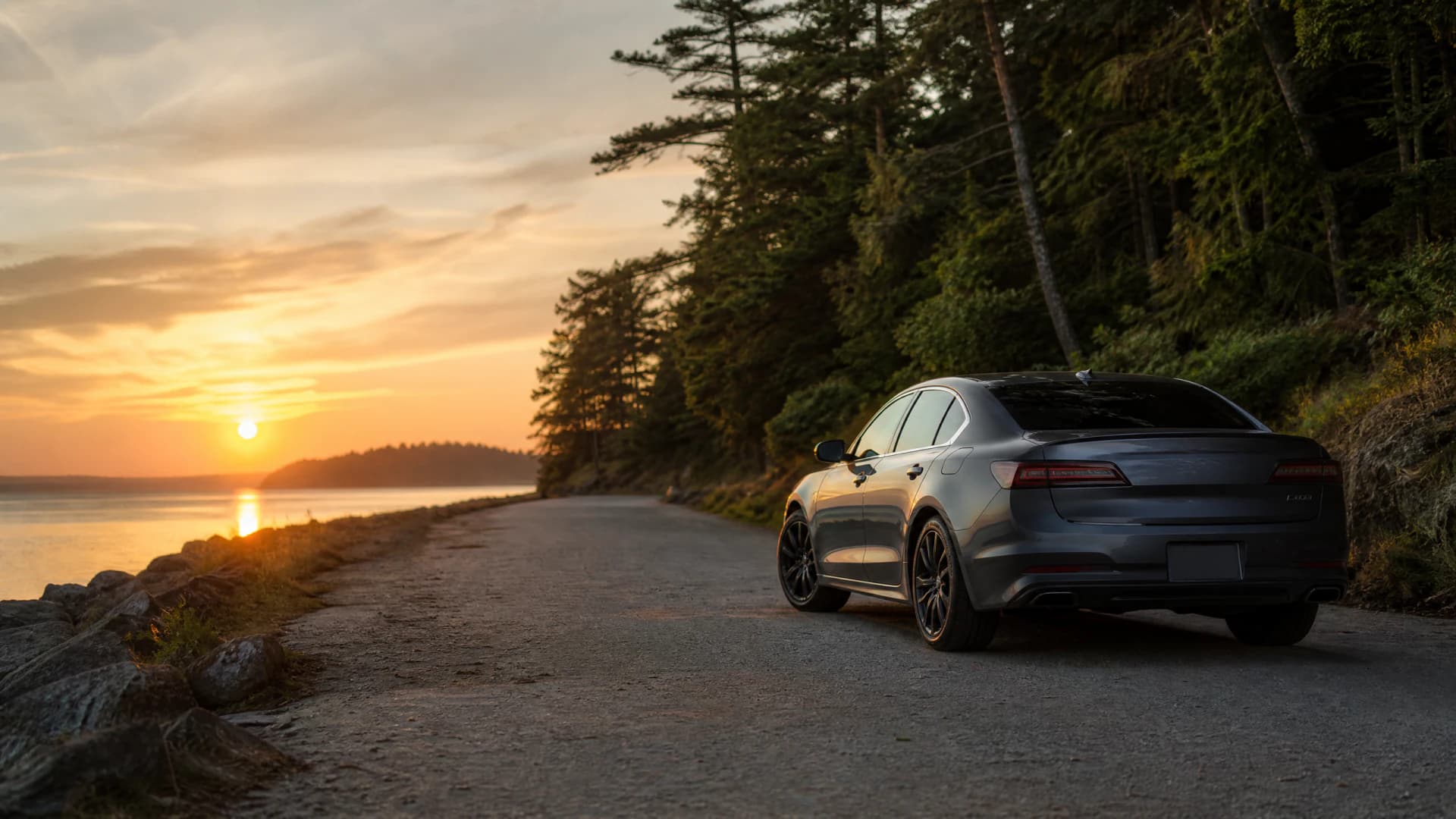
The multi-car discount only applies when every vehicle sits on the same policy at the same garaging address. Split policies mean no discount.
Related Articles

What Happens When You Add a Vehicle Mid-Term
Adding a vehicle mid-term triggers a policy re-rate, not a simple add-on charge. The carrier recalculates your premium from the date you add the car, prorates the remaining term, and issues a new premium amount. If the new vehicle is higher-risk—a sports car, a truck with higher liability exposure, or a car garaged in a different ZIP code—the increase can exceed the cost of insuring that vehicle alone on a separate policy.
Utah requires proof of insurance at vehicle registration. When you buy a car, you have a limited window to add it to your existing policy before the dealer-provided temporary coverage expires. Most carriers give you 14 to 30 days to report a newly purchased vehicle, but that grace period only extends your existing coverage to the new car; it does not lock in your old premium. The re-rate happens the moment you report the vehicle, and the new premium applies from that date forward.
If you miss the reporting window and drive the new vehicle without adding it to your policy, the carrier can deny a claim on that car. Utah's proof-of-insurance law requires every vehicle to be listed on an active policy. Driving an unlisted vehicle, even if you have coverage on another car, violates that requirement and exposes you to penalties if stopped.
2,876,800
Registered Vehicles in Utah
Utah had 2,876,800 registered motor vehicles as of 2022, with 2,252,656 licensed drivers. Many households insure multiple vehicles on one policy to meet registration requirements and access multi-car discounts.
Utah DMV

When Splitting Policies Costs Less Than Combining Them
In rare cases, maintaining separate policies for different vehicles costs less than combining them on one policy, even after losing the multi-car discount. This happens when one vehicle or one driver carries significantly higher risk than the others, and the carrier's rating algorithm penalizes the combined policy more than the discount offsets. A teen driver with a sports car can raise the premium on a parent's sedan enough that insuring the teen separately—on a non-owner policy or a standalone policy for the sports car—produces a lower household total.
Carriers do not advertise this outcome, and it requires manual comparison. If you suspect your combined premium is higher than it should be, request separate quotes for each vehicle on independent policies, then compare the total to your current combined premium. The math depends on your household's specific risk profile, the vehicles involved, and the carrier's base rates for each.
Compare Carriers That Write Multi-Car Policies in Utah
Utah's multi-car market includes 20 carriers writing standard and non-standard auto policies. State Farm, Geico, Progressive, Allstate, Farmers, USAA, and Travelers all write multi-vehicle policies with varying base rates and discount structures. Comparing carriers after adding a vehicle often reveals significant premium differences, even when the coverage and discount percentages appear similar. The carrier with the lowest rate for one car is not always the lowest for two or three.
Use the comparison tool to see which carriers write your household's vehicles at the lowest combined premium. Enter every vehicle, every driver, and the shared garaging address to get accurate quotes. The tool pulls rates from carriers licensed in Utah and applies the multi-car discount where the carrier offers it. Compare the total annual cost, not just the per-vehicle breakdown, to find the policy structure that fits your household.
How Utah Carriers Structure Multi-Vehicle Policies
When you add a second vehicle, the carrier pulls the driving records of every licensed household member, regardless of who drives which car. Utah allows carriers to rate based on household composition, so a teen driver with a learner permit affects the premium for both cars even if the teen is not yet listed as a driver. The carrier assumes any household member with a license has access to any vehicle on the policy unless you formally exclude that driver, which most carriers permit only in limited circumstances.
The multi-car discount typically reduces the combined premium by a percentage applied after the base rate is calculated. A smaller discount on a lower base rate can produce a lower total premium than a larger discount on a higher base rate, which is why comparing carriers after adding a vehicle often reveals different total costs even when the discount percentages are similar. Carriers writing in Utah include State Farm, Geico, Progressive, Allstate, Farmers, USAA, Travelers, and others, each with different base rates and discount structures.
Get Your Free Quote
Get My Utah Car Insurance QuoteFrequently Asked Questions
Does Utah require the same liability limits on every vehicle I own?
Utah requires $30,000/$65,000/$25,000 liability plus PIP on every auto insurance policy, not per vehicle. When you insure multiple cars on one policy, those minimums cover all vehicles listed. If you split vehicles across separate policies, each policy must carry the state minimums independently.
Can I get the multi-car discount if my second car is titled to my spouse?
Yes, if both vehicles sit on the same policy at the same garaging address. The title holder does not affect discount eligibility. The carrier requires all vehicles to be listed on one policy and garaged at one address, regardless of who owns each car.
What happens if I add a third vehicle mid-term?
The carrier re-rates your entire policy from the date you add the vehicle, prorates the remaining term, and issues a new premium. The multi-car discount applies to all three vehicles if they sit on the same policy at the same address. The increase depends on the new vehicle's risk profile and your household's driving records.
Do I lose the multi-car discount if one car is garaged at a different address?
Yes. Carriers require every vehicle on the policy to share the same garaging address to qualify for the multi-car discount. If one car is garaged elsewhere, the carrier treats it as a separate risk and removes the discount from that vehicle, or denies the discount entirely depending on the carrier's rules.
Is it ever cheaper to insure two cars on separate policies?
In rare cases, yes. When one vehicle or driver carries significantly higher risk, the combined policy premium can exceed the cost of two separate policies even after losing the multi-car discount. This requires manual comparison. Request separate quotes for each vehicle, then compare the total to your combined-policy premium.
How long do I have to add a newly purchased vehicle to my policy?
Most carriers give you 14 to 30 days to report a newly purchased vehicle. Your existing coverage extends to the new car during that window, but the carrier re-rates your policy from the date you report it. Missing the window can result in claim denial on the new vehicle.