
Utah Car Insurance Requirements — Multi-Vehicle Households
Free to compare
Utah Requires the Same Minimums for Every Vehicle You Own
You own two or more vehicles registered in Utah, and you need to confirm whether the state's insurance requirements change when you insure multiple cars. The structural reality: Utah's minimum liability limits apply to each vehicle individually, not to your household or policy as a whole. Every car you register must carry at least $30,000 bodily injury per person, $65,000 bodily injury per accident, $25,000 property damage, and personal injury protection coverage.
Whether you place all your vehicles on one multi-car policy or keep them on separate policies, each vehicle must meet the same statutory floor. The state does not offer a reduced minimum for second or third cars, and combining policies does not change the per-vehicle coverage requirement. This article clarifies how Utah's requirements apply across multiple vehicles, what combining policies does and does not change, and how to structure coverage that meets the state's rules for every car you own.
“Utah's liability minimums apply to each vehicle individually, whether you insure one car or five on the same policy.”

Meet Utah's Requirements Without Overpaying
Get My Utah Car Insurance Quote$30,000 / $65,000 / $25,000
Utah Minimum Liability Per Vehicle
Utah law requires every registered vehicle to carry at least $30,000 bodily injury coverage per person, $65,000 per accident, and $25,000 property damage. These minimums apply to each car individually, whether you insure one vehicle or five.
Utah Driver License Division
The Minimums Apply Per Vehicle, Not Per Policy
Many drivers assume that combining multiple vehicles on one policy reduces the total coverage requirement or allows them to spread one set of limits across all their cars. Utah law does not work that way. The $30,000/$65,000/$25,000 liability floor and the PIP requirement apply to each vehicle separately. If you own three cars, you must carry the minimum limits on all three, whether they sit on one policy or three separate policies.
A multi-car policy does not change the per-vehicle coverage obligation. What it changes is the structure: one policy number, one renewal date, one set of declarations, and typically a multi-car discount that lowers the combined premium. The discount is a pricing benefit, not a coverage reduction. Each vehicle on the policy still carries its own liability limits, and those limits must meet or exceed the state minimums.
If you keep your vehicles on separate policies, the same rule applies. Each policy must meet the statutory minimums for the vehicle it covers. The state does not recognize a household-level coverage pool. When an officer or the DMV verifies insurance, they check that each registered vehicle has a policy meeting the minimums, not that your household collectively carries enough coverage.
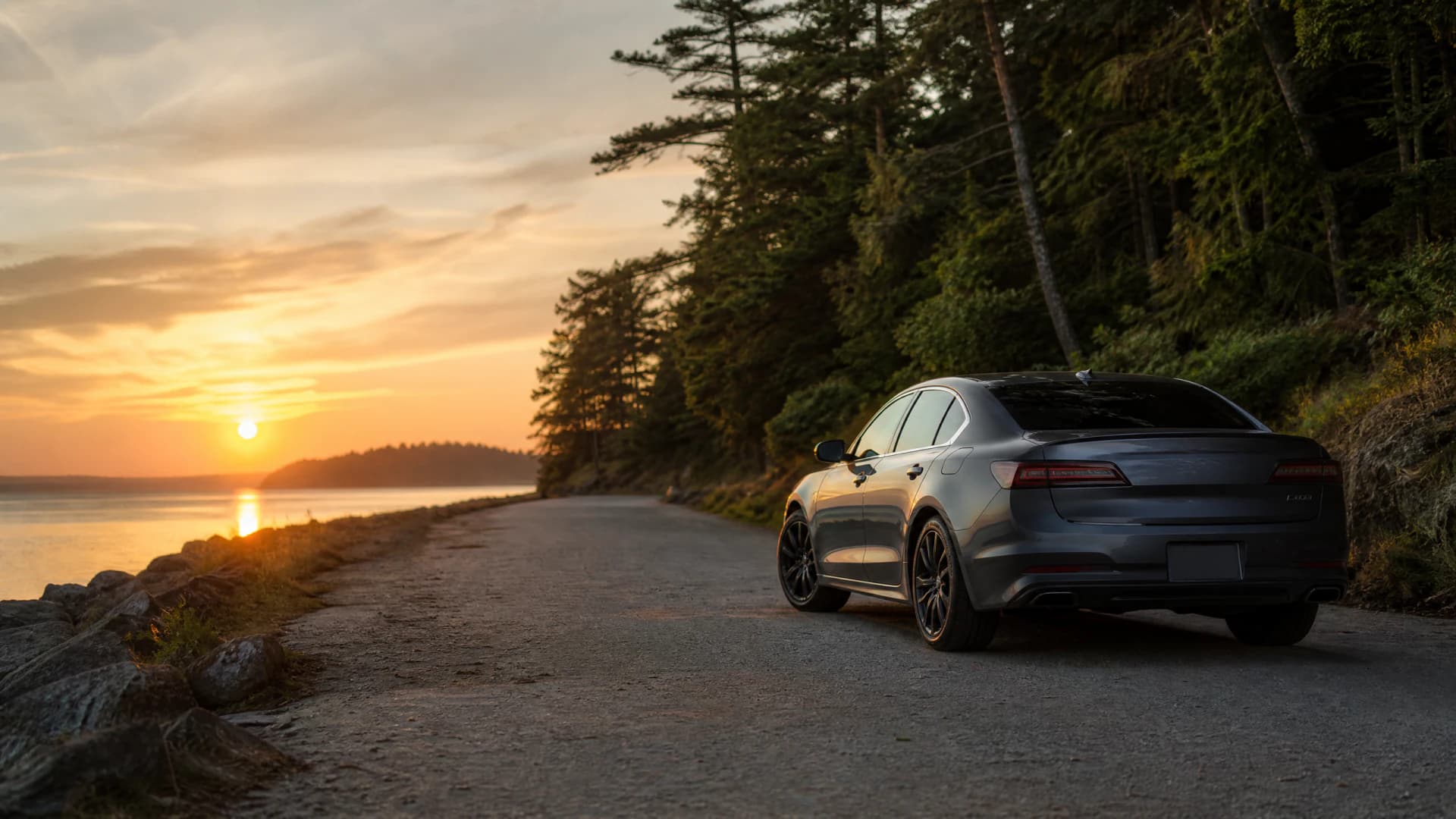
Utah does not reduce the minimum liability requirement for second or third vehicles. Every car you register must meet the full $30,000/$65,000/$25,000 floor independently.
Related Articles




What Happens When You Add a Vehicle Mid-Term
Adding a vehicle to an existing multi-car policy mid-term re-rates the entire policy, not just the new car. The carrier recalculates the premium for every vehicle on the policy based on the new household risk profile, the new vehicle's characteristics, and the updated multi-car discount. The new vehicle must meet Utah's minimums from the moment you register it, and most carriers provide a grace period during which a newly-purchased vehicle is covered under your existing policy before you formally add it. That grace period typically lasts 14 to 30 days, but the coverage during that window is limited to the limits you carry on your existing vehicles. If your existing cars carry only the state minimums and the new car is worth significantly more, you may be underinsured during the grace period.
When you add the vehicle formally, you assign it its own liability limits and optional coverages. The carrier applies the multi-car discount to the updated policy, which usually lowers the per-vehicle cost compared to insuring the new car on a separate policy. The total premium increases because you are insuring an additional vehicle, but the per-vehicle premium typically drops. The new vehicle's coverage must meet the $30,000/$65,000/$25,000 floor and include PIP, just like every other car on the policy.
If you miss the grace period and drive the new vehicle without adding it to your policy, you are driving uninsured. Utah law requires proof of insurance for every registered vehicle, and an uninsured vehicle can trigger a registration suspension, a fine, and potential liability if you are in an accident. Adding the vehicle promptly after purchase keeps you compliant and ensures the new car is covered under your multi-car discount.
6.2%
Utah Uninsured Motorist Rate
Approximately 6.2% of Utah motorists drive without insurance. Uninsured and underinsured motorist coverage protects you when another driver lacks the coverage to pay for damage they cause, and it applies separately to each vehicle on your policy.
Insurance Research Council, 2023

Personal Injury Protection Applies to Every Vehicle
Utah requires personal injury protection coverage on every registered vehicle. PIP pays for medical expenses, lost wages, and related costs for you and your passengers after an accident, regardless of who caused it. The requirement applies per vehicle, not per policy. If you own three cars, all three must carry PIP coverage that meets the state's minimum threshold.
When you combine multiple vehicles on one multi-car policy, each vehicle gets its own PIP coverage. The policy does not pool PIP limits across vehicles. If you are injured while driving one of your cars, the PIP coverage on that specific vehicle pays your claim. The PIP coverage on your other vehicles does not contribute. This per-vehicle structure means you cannot carry PIP on one car and skip it on the others. Every vehicle must have it, whether you insure them together or separately.
Compare Carriers That Write Multi-Car Policies in Utah
Not every carrier offers the same multi-car discount or writes policies for households with multiple vehicles the same way. Some carriers require all vehicles to be garaged at the same address to qualify for the discount. Others allow vehicles garaged at different addresses as long as they are titled to members of the same household. Some carriers re-rate the entire policy when you add a vehicle; others calculate the new vehicle's premium independently and add it to the existing total. These structural differences affect your total cost and the ease of managing coverage across multiple cars.
When you compare carriers, confirm that each quote meets Utah's minimums for every vehicle you own. Verify that the multi-car discount applies to your household structure, especially if your vehicles are garaged at different addresses or titled to different household members. Ask whether the carrier allows you to assign different liability limits to different vehicles, which can be useful if one car is worth significantly more than the others. The goal is a policy structure that meets the state's per-vehicle requirements, qualifies for the multi-car discount, and fits the way your household actually uses its vehicles. Compare carriers that write in Utah and structure your coverage around the vehicles you own and the drivers who use them.
How Multi-Car Policies Structure Coverage Across Vehicles
When you add a second or third vehicle to an existing policy, the carrier assigns that vehicle its own set of coverage limits. Each car gets its own liability limits, its own collision and comprehensive deductibles if you carry those coverages, and its own PIP coverage. The policy groups them under one account, but the coverage applies per vehicle. You cannot split one set of limits across both vehicles.
The multi-car discount applies to the total premium, not to the coverage amounts. Carriers typically reduce the per-vehicle premium when you insure multiple cars on one policy, because the administrative cost per vehicle drops and the household relationship lowers risk. The discount does not reduce the coverage you must carry. It reduces what you pay for the same coverage you would need on separate policies. The state's minimum requirements remain unchanged regardless of how many vehicles you insure or whether you combine them.
Get Your Free Quote
Get My Utah Car Insurance QuoteFrequently Asked Questions
Does Utah require the same insurance minimums for every car I own?
Yes. Utah requires $30,000/$65,000/$25,000 liability and PIP coverage on every registered vehicle. The minimums apply per vehicle, not per policy. If you own three cars, all three must meet the same statutory floor, whether you insure them on one multi-car policy or separate policies.
Can I combine multiple vehicles on one policy in Utah?
Yes. Utah allows you to insure multiple vehicles on one multi-car policy. Each vehicle on the policy must meet the state's minimum liability and PIP requirements independently. Combining vehicles typically qualifies you for a multi-car discount, which lowers the per-vehicle premium without reducing the coverage you must carry.
Does a multi-car discount reduce the coverage I need to carry?
No. A multi-car discount reduces your premium, not your coverage requirements. Every vehicle on a multi-car policy must still meet Utah's $30,000/$65,000/$25,000 liability minimums and carry PIP coverage. The discount is a pricing benefit that lowers what you pay for the same coverage you would need on separate policies.
What happens if I add a vehicle to my policy mid-term?
Adding a vehicle mid-term re-rates your entire policy. The carrier recalculates the premium for every vehicle based on the new household risk profile and applies the multi-car discount to the updated policy. The new vehicle must meet Utah's minimums from the moment you register it, and most carriers provide a 14- to 30-day grace period during which the new car is covered under your existing limits.
Do I need PIP coverage on every vehicle I own?
Yes. Utah requires PIP coverage on every registered vehicle. The requirement applies per vehicle, not per policy. If you own multiple cars, each one must carry its own PIP coverage. The policy does not pool PIP limits across vehicles, so you cannot carry PIP on one car and skip it on the others.
Can I insure my vehicles on separate policies instead of combining them?
Yes. Utah allows you to insure each vehicle on a separate policy. Each policy must meet the state's minimum liability and PIP requirements for the vehicle it covers. Combining vehicles on one multi-car policy typically lowers your total premium through the multi-car discount, but separate policies are structurally compliant as long as each meets the minimums.
How many carriers write multi-car policies in Utah?
At least 20 major carriers write multi-car policies in Utah, including Allstate, American Family, Farmers, Geico, Progressive, State Farm, and USAA. Not every carrier offers the same multi-car discount or writes policies for households with multiple vehicles the same way. Compare carriers to find one that fits your household structure and vehicle count.