
Liability Coverage Limits — Utah
Free to compare
The Multi-Vehicle Liability Question
You own two or three cars. You've confirmed Utah's minimum liability limits — $30,000 per person for bodily injury, $65,000 per accident, and $25,000 for property damage — and you're wondering whether those minimums protect your household adequately when multiple vehicles sit on one policy. The question isn't whether you meet the legal floor; it's whether the floor is enough when any one of your household's cars could cause an accident that exceeds it.
Most liability guidance assumes a single vehicle. Multi-car households face a structural reality single-car advice doesn't address: one liability limit applies to every vehicle on the policy, and a claim against any one car draws from the same pool. Higher limits cost more, but the incremental cost per vehicle often drops as you add cars to the policy. The decision hinges on how much risk your household's combined driving exposes you to, and whether the multi-car discount offsets the cost of higher limits.
“One liability limit applies to every vehicle on the policy, and a claim against any one car draws from the same pool.”
Meet Utah's Requirements Without Overpaying
Get My Utah Car Insurance Quote$30,000/$65,000/$25,000
Utah Minimum Liability Limits
Utah requires $30,000 per person for bodily injury, $65,000 per accident, and $25,000 for property damage. These minimums apply to every vehicle on your policy, but a single serious accident can exceed them quickly.
Utah Driver License Division
One Limit Covers Every Vehicle on the Policy
The liability limit you select applies to every car on your multi-vehicle policy. If you carry Utah's minimum — $30,000 per person, $65,000 per accident, $25,000 for property damage — and your teenager drives one car into another vehicle, injuring two people, the $65,000 per-accident cap is all the coverage available.
This structure matters more when you insure multiple vehicles because you've multiplied the number of exposure points. Three cars mean three sets of drivers, three sets of trips, three chances for a claim that exceeds the minimum. The limit doesn't stack per vehicle; it's a single pool shared across every car on the policy.
The carrier applies the multi-car discount to the total premium, and the per-vehicle incremental cost of higher limits drops as you add cars.
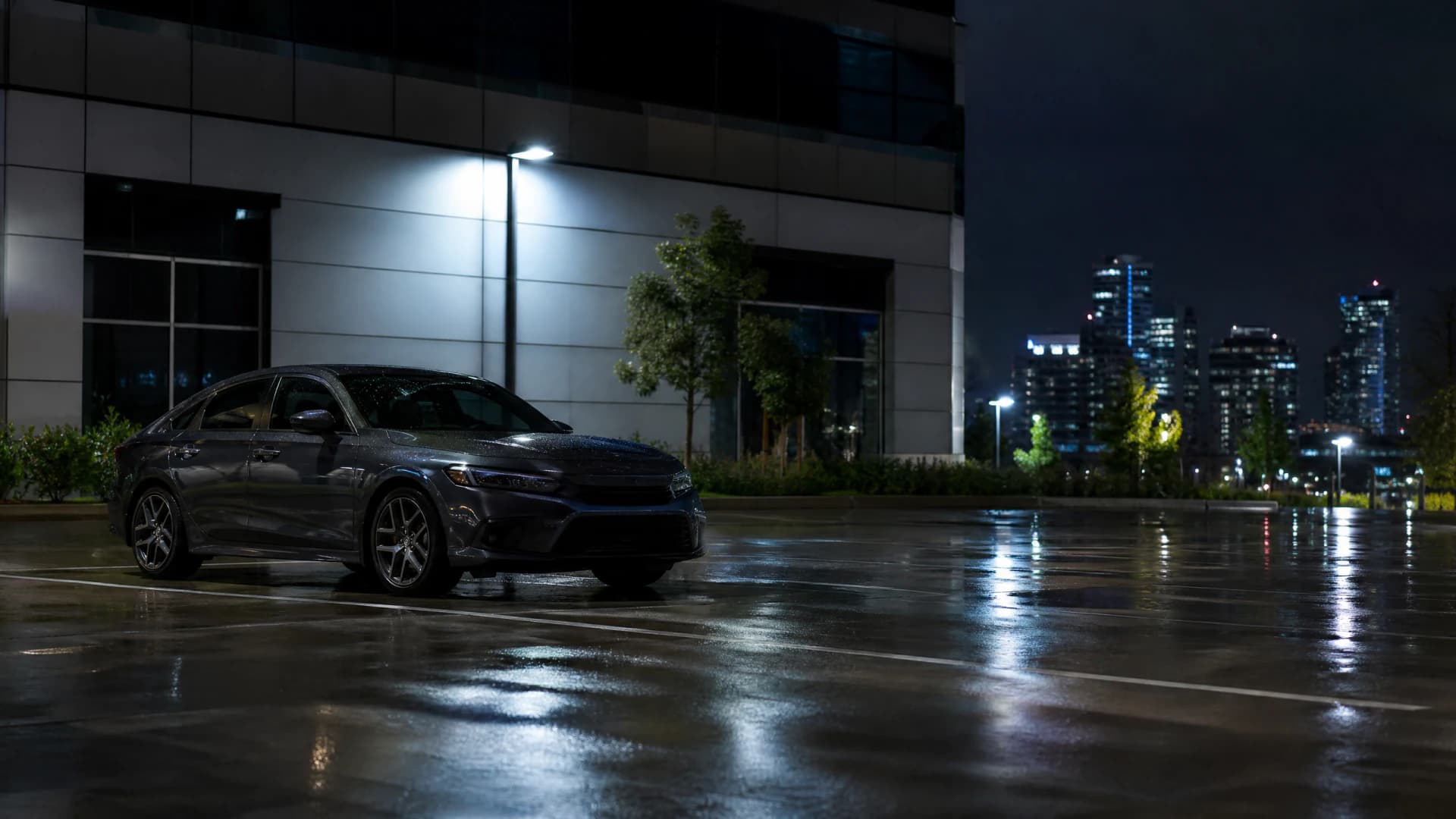
A single serious accident can exceed Utah's $65,000 per-accident cap. When you insure multiple vehicles, you've multiplied the exposure points drawing from that same pool.
Related Articles




When Minimum Limits Leave You Exposed
Utah's minimum property damage limit is $25,000. A collision with a new pickup truck or SUV can exceed that figure before you account for the other driver's injuries. Medical costs for a single injured person routinely exceed $30,000 when emergency transport, surgery, or ongoing treatment is involved. The $65,000 per-accident cap covers multiple injured parties combined, not per person.
Multi-vehicle households face this exposure repeatedly. Every trip any household member takes in any of your insured cars is a potential claim. A teenager driving to school, a spouse commuting to work, a college student borrowing the third car for a weekend errand — each trip draws from the same liability pool if an accident occurs. One serious accident exhausts the minimum, and the household's assets become the next target in a liability claim.
Higher limits protect household assets. If you own a home, hold retirement accounts, or have other assets a judgment creditor could reach, carrying only minimum liability leaves those assets exposed. The incremental cost of 100/300/100 or 250/500/250 limits is often smaller than the financial risk of a single serious accident that exceeds the minimum.
21%
Utah Alcohol-Impaired Traffic Fatalities
In 2023, 21% of Utah traffic fatalities involved a driver with a blood alcohol concentration of .08 or higher. Serious accidents happen, and liability claims from those accidents can exceed minimum coverage quickly.
Utah Department of Public Safety, 2023

Structuring Limits When You Add a Vehicle Mid-Term
Adding a vehicle to an existing multi-car policy re-rates the entire policy, not just the new car. If you've been carrying minimum limits and you add a third vehicle, that's the moment to reconsider whether higher limits make sense. The carrier will quote the new vehicle at your current liability limits by default, but you can request a quote at higher limits for all vehicles on the policy at the same time.
The re-rating moment is the cleanest time to adjust limits because the carrier is already recalculating your premium. The incremental cost of moving from 30/65/25 to 100/300/100 across three vehicles is often smaller than you'd expect, and you avoid a second mid-term adjustment later. If you wait and raise limits separately, you'll trigger another re-rating event and potentially lose the timing advantage of bundling the change with the vehicle addition.
Compare Carriers at Multiple Limit Levels
Not every carrier prices higher liability limits the same way on multi-vehicle policies. Some carriers apply a flat surcharge per vehicle; others apply a percentage increase to the total premium after the multi-car discount. The difference in approach can produce meaningfully different total costs when you're insuring three or more vehicles. Request quotes at both minimum limits and at least one higher tier — 100/300/100 is the most common step up — from multiple carriers that write multi-vehicle policies in Utah.
The Utah car insurance requirements page lists carriers writing coverage in the state. Focus on carriers that explicitly offer multi-car discounts and that write the higher liability limits you're considering. Some non-standard carriers write only minimum limits; if you're comparing higher-limit options, those carriers won't be relevant to your decision. Compare the total annual premium at each limit level, then divide by the number of vehicles to see the per-car cost. The carrier with the lowest minimum-limit premium may not be the lowest at higher limits, and the per-vehicle cost difference often narrows as you move up the limit ladder.
How Higher Limits Price Across Multiple Vehicles
Start with the structural fact: liability coverage prices as a function of risk exposure, and multi-vehicle policies spread that risk across a larger premium base. The same household moving from 30/65/25 to 100/300/100 on three vehicles often sees a smaller percentage increase per vehicle because the multi-car discount reduces the base premium first, then the higher-limit surcharge applies to the discounted base.
This pricing structure creates a coverage-fit decision most single-car households don't face. If you're insuring one car and drive infrequently, minimum limits may be adequate. If you're insuring three cars with multiple drivers — a working adult, a college student home for the summer, a teenager with a learner's permit — the combined exposure justifies higher limits, and the per-vehicle cost penalty is smaller than single-car pricing would suggest. Compare quotes at both 30/65/25 and 100/300/100 to see the actual dollar difference for your household's vehicle count.
Get Your Free Quote
Get My Utah Car Insurance QuoteFrequently Asked Questions
Does each car on my policy get its own liability limit?
No. One liability limit applies to every vehicle on your multi-car policy. If you carry $30,000/$65,000/$25,000 and any car on the policy causes an accident, that single limit is all the coverage available. The limit doesn't stack per vehicle.
How much does it cost to raise liability limits on a multi-car policy in Utah?
The incremental cost depends on your household's vehicle count, driving history, and the carrier's pricing structure. Multi-car policies often see smaller per-vehicle cost increases for higher limits because the multi-car discount applies first. Request quotes at both minimum and higher limits to see the actual dollar difference for your household.
What liability limits should I carry if I insure three vehicles in Utah?
If you own assets a judgment creditor could reach — a home, retirement accounts, savings — consider at least 100/300/100 limits. Utah's minimum 30/65/25 can be exhausted by a single serious accident, and three vehicles multiply your household's exposure points. Compare the per-vehicle cost difference between minimum and higher limits before deciding.
Can I carry different liability limits on different cars on the same policy?
No. One liability limit applies to every vehicle on a multi-car policy. You cannot assign 30/65/25 to one car and 100/300/100 to another on the same policy. If you need different limits, the vehicles must sit on separate policies, and you'll lose the multi-car discount.
When should I raise my liability limits on a multi-car policy?
The cleanest time is when you add a vehicle or at renewal, because the carrier is already re-rating your policy. Raising limits mid-term triggers a separate re-rating event. If your household's asset position has changed — you bought a home, accumulated retirement savings, or added a high-risk driver — that's a signal to reconsider whether minimum limits still fit.