
Multi-Car Coverage Requirements — Utah
Free to compare
When Adding a Second Vehicle Changes Your Utah Policy Structure
You just bought a second car and you are trying to figure out whether Utah requires you to carry double the liability coverage now that you own two vehicles. The confusion is understandable: state minimum liability limits are often described per vehicle, but Utah's $30,000 per person, $65,000 per accident, and $25,000 property damage minimums apply to your policy as a whole, not to each car individually. Adding a second vehicle does not double your liability floor.
What does change is how your policy is rated and whether you qualify for a multi-car discount. Every vehicle on the policy is rated based on its own risk profile — year, make, model, garaging address, primary driver — and the combined premium reflects the total exposure across all cars. The multi-car discount typically requires every vehicle to sit on the same policy and share a garaging address, and it applies to the policy premium, not to individual vehicles.
“Utah's liability minimums apply to your policy as a whole, not to each vehicle individually — adding a second car does not double your coverage floor.”
Meet Utah's Requirements Without Overpaying
Get My Utah Car Insurance Quote$30,000 / $65,000 / $25,000
Utah Minimum Liability Limits
Bodily injury coverage of $30,000 per person and $65,000 per accident, plus $25,000 property damage, is the floor for any Utah auto policy. These limits cover all vehicles on the policy, not each vehicle separately.
Utah state minimum liability requirements
How Utah's Per-Policy Minimums Work Across Multiple Vehicles
Utah law requires every registered vehicle to be covered by a policy that meets the state's minimum liability limits: $30,000 bodily injury per person, $65,000 bodily injury per accident, and $25,000 property damage per accident. Personal injury protection is also mandatory. These minimums apply to the policy, not to each vehicle on it.
The practical consequence is that if you cause an accident while driving either vehicle, the same liability limits respond. The policy does not stack limits per vehicle. If you carry only the state minimums and you cause a crash that injures multiple people or damages expensive property, the $30,000 per person and $25,000 property damage caps apply regardless of which car you were driving.
Personal injury protection coverage in Utah pays for your own medical expenses and lost wages after an accident, regardless of fault. The PIP requirement applies per policy, and it covers you and your household members in any vehicle on the policy. Adding a second car does not require a second PIP policy, but it does mean more drivers and more exposure, which is why carriers re-rate the entire policy when you add a vehicle.
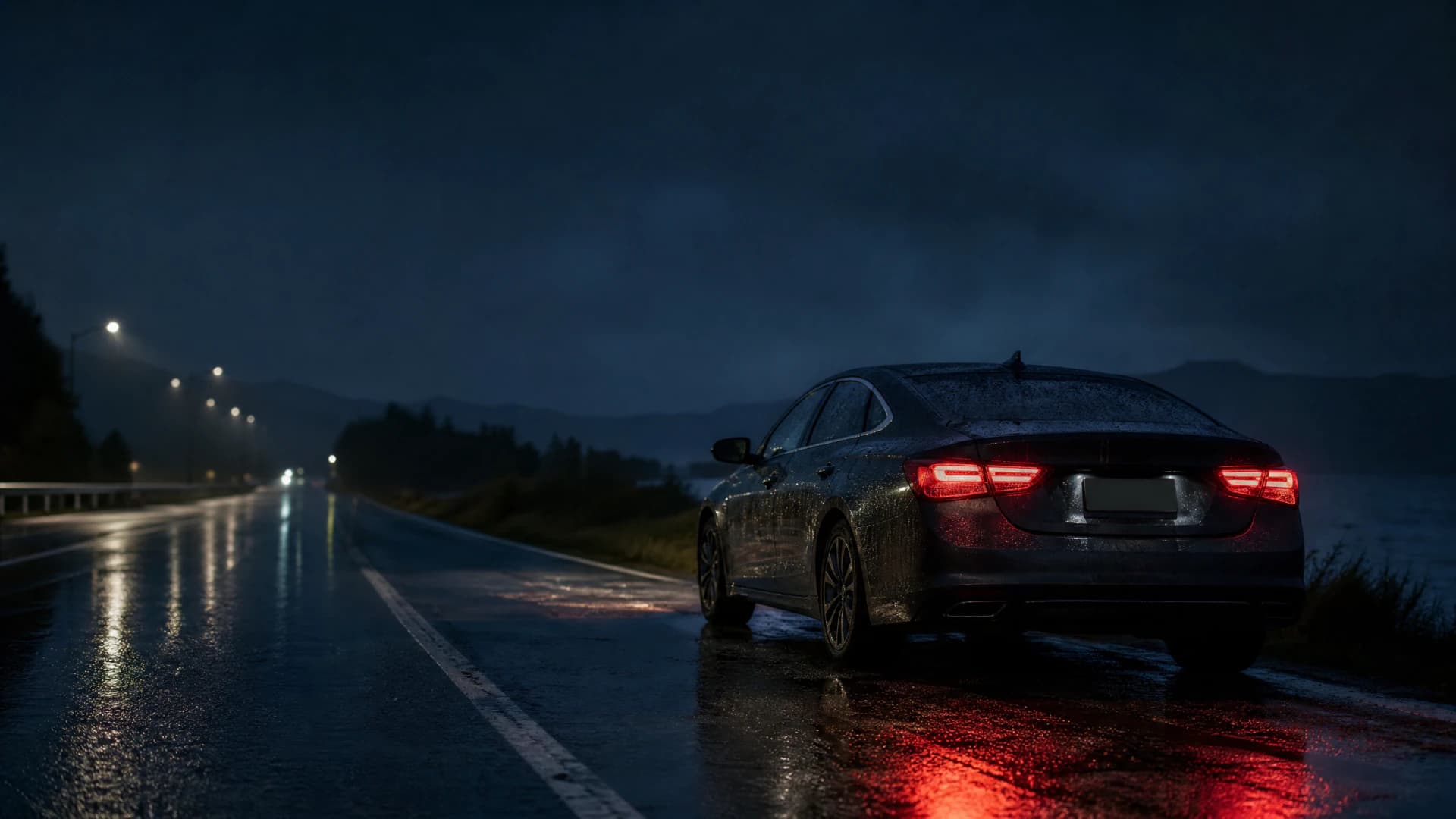
Adding a vehicle mid-term re-rates your entire policy based on the new total exposure — the second car does not simply add a flat amount to your existing premium.
Related Articles




How Adding or Removing a Vehicle Re-Rates Your Policy
When you add a vehicle to an existing Utah policy, the carrier re-rates the entire policy based on the new total exposure. The second car is not simply tacked on at a flat rate — the carrier recalculates the premium for both vehicles together, factoring in the year, make, model, garaging address, and primary driver of each car. If the second vehicle is newer, more expensive, or assigned to a higher-risk driver, the total premium can increase more than you expect.
Most carriers provide a grace period — typically 14 to 30 days — during which a newly purchased vehicle is automatically covered under your existing policy at the same coverage levels as your other cars. You must report the new vehicle to the carrier within that window to keep coverage in force. Missing the deadline can result in a coverage gap, and a claim on an unreported vehicle may be denied. When you report the vehicle, the carrier will re-rate the policy effective the date you acquired the car, not the date you reported it.
Removing a vehicle works the same way in reverse. If you sell a car, total it, or transfer it to someone outside your household, notify the carrier immediately. The policy will be re-rated without that vehicle, and your premium should decrease. If you forget to remove the car, you continue paying for coverage on a vehicle you no longer own. Carriers do not automatically remove vehicles when registration lapses or when a title transfer is recorded — you must request the change.
23 carriers
Utah Multi-Car Carrier Roster
Twenty-three carriers write auto insurance in Utah and are available to households insuring multiple vehicles, including Allstate, American Family, Farmers, Geico, Progressive, State Farm, and USAA. Comparing carriers that write multi-vehicle policies in your county is the most reliable way to find the policy structure that fits your household.
Utah carrier roster
When One Policy Makes Sense and When It Does Not
A single policy covering all household vehicles makes sense when every driver and every car share the same garaging address and the household wants to qualify for the multi-car discount. It simplifies billing, consolidates coverage decisions, and typically costs less than separate policies. Most carriers require all household vehicles to be on the same policy to unlock the discount, and splitting vehicles across multiple policies usually means losing that discount entirely.
Separate policies may make sense in a few specific situations. If one household member has a serious violation — a DUI, multiple at-fault accidents, or a suspended license — and the other driver has a clean record, splitting the vehicles onto separate policies can sometimes isolate the high-risk driver's surcharge and keep the clean driver's premium lower. If a household member moves out but keeps a vehicle registered at the original address temporarily, a separate policy may be required. If you own a classic car, a rarely driven vehicle, or a commercial vehicle, those often belong on specialty policies rather than a standard multi-car policy.
Compare Carriers That Write Multi-Vehicle Policies in Utah
The best way to structure coverage across multiple vehicles is to compare carriers that write multi-vehicle policies in your county and understand how each one rates your specific household. Carriers weight risk factors differently — one may penalize a teen driver more heavily, another may offer a larger discount for bundling auto and home, and a third may rate your second vehicle lower because it is garaged in a lower-theft ZIP code. The only way to know which carrier offers the lowest total premium for your household is to compare quotes with every vehicle, every driver, and the same coverage levels across all carriers.
Use the comparison tool on this site to see which carriers write multi-vehicle policies in your Utah county and request quotes from at least three. Provide accurate information about every vehicle — year, make, model, garaging address, annual mileage, and primary driver — and ask each carrier how the multi-car discount applies to your specific policy structure. If you are combining two existing policies, ask whether the combined policy will cost less than the two separate policies. If you are adding a vehicle mid-term, confirm the grace period for reporting the new car and the effective date of the re-rated premium.
What the Multi-Car Discount Requires in Utah
Most carriers writing in Utah — including Allstate, American Family, Farmers, Geico, Progressive, State Farm, and USAA — offer a multi-car discount when you insure two or more vehicles on the same policy. The discount applies to the total policy premium, not to each vehicle individually. The typical requirement is that every vehicle must be titled to the same person or to members of the same household, garaged at the same address, and listed on a single policy. A vehicle titled to someone outside your household, or a car garaged at a different address, may not qualify.
The discount structure varies by carrier. Some apply a percentage reduction to the total premium once a second vehicle is added; others reduce the per-vehicle rate for each car after the first. A few carriers require you to bundle auto with home or renters insurance to unlock the full multi-car discount. If you are combining two existing policies after marriage or a household move, ask the carrier whether the combined policy will cost less than the two separate policies — combining does not always produce a lower total premium, especially if one driver has a violation or if the vehicles have very different risk profiles.
Get Your Free Quote
Get My Utah Car Insurance QuoteFrequently Asked Questions
Do I need to double my liability coverage when I add a second car in Utah?
No. Utah's $30,000/$65,000/$25,000 liability minimums apply to your policy, not to each vehicle separately. Adding a second car does not require you to carry double the liability limits. The same minimums cover all vehicles on the policy.
How long do I have to report a new vehicle to my Utah insurance carrier?
Most Utah carriers provide a 14 to 30 day grace period during which a newly purchased vehicle is automatically covered under your existing policy. You must report the new vehicle within that window to keep coverage in force. Missing the deadline can result in a coverage gap.
Does the multi-car discount apply automatically when I add a second vehicle?
Not always. The multi-car discount typically requires every vehicle to sit on the same policy and share a garaging address. A vehicle titled to someone outside your household or garaged at a different address may not qualify. Ask your carrier how the discount applies to your specific policy structure.
Can I insure two cars on separate policies in the same household?
Yes, but you will likely lose the multi-car discount. Most carriers require all household vehicles to be on the same policy to qualify for the discount. Separate policies may make sense if one driver has a serious violation and you want to isolate the surcharge.
What happens to my premium when I remove a vehicle from my Utah policy?
Your carrier will re-rate the policy without that vehicle, and your premium should decrease. You must notify the carrier when you sell, total, or transfer a car — carriers do not automatically remove vehicles when registration lapses or a title transfer is recorded.