
Registration Reinstatement After Insurance Lapse — Utah
Free to compare
When Utah Suspends Registration for Insurance Lapses
You let your insurance lapse, and now your vehicle registration is suspended. Utah does not send a warning letter before the suspension hits — the state's system flags the lapse, triggers a Driver License Division administrative hearing through the Department of Public Safety, and the DMV places a hold on your registration. You cannot renew, you cannot register another vehicle, and driving the car is now illegal.
The suspension is not automatic at the moment your policy cancels. Utah's process runs through a DPS administrative hearing that reviews the lapse. Once the hearing officer confirms you drove without owner-security — Utah's term for insurance — the DLD issues the suspension order and notifies the DMV. The DMV then blocks your registration. This two-agency process is why reinstatement requires clearing holds at both the DLD and the DMV, not just one.
“Reinstatement requires clearing both the DLD action and the DMV registration hold — two separate agencies, two separate clearances.”

Meet Utah's Requirements Without Overpaying
Get My Utah Car Insurance Quote$40
Utah Reinstatement Fee
The base reinstatement fee applies after the DLD clears your suspension. This fee is paid to the Driver License Division and is separate from any DMV registration renewal fees you owe.
Utah Driver License Division fee schedule
What Utah Actually Requires to Lift the Suspension
Reinstatement is not just buying insurance again. Utah requires proof you now carry continuous coverage that meets the state's minimum liability limits: $30,000 per person for bodily injury, $65,000 per accident for bodily injury, and $25,000 for property damage. The state also mandates personal injury protection coverage. Your new policy must include these minimums before the DLD will consider reinstatement.
Because you drove without insurance, Utah classifies you as a financial-responsibility filer. That means your insurer must file an SR-22 certificate with the state on your behalf. The SR-22 is not a separate policy — it is a form your carrier electronically submits to the DLD confirming you carry the required coverage. You must maintain that SR-22 filing for three years from the reinstatement date. If your policy cancels or lapses during those three years, the carrier notifies the state and your registration suspends again.
The filing fee is set by the insurer, not the state. Utah charges no separate SR-22 filing fee. Carriers typically charge between fifteen and fifty dollars to file the certificate, and some build that cost into your premium rather than itemizing it. Confirm the filing fee with your carrier before you buy the policy.
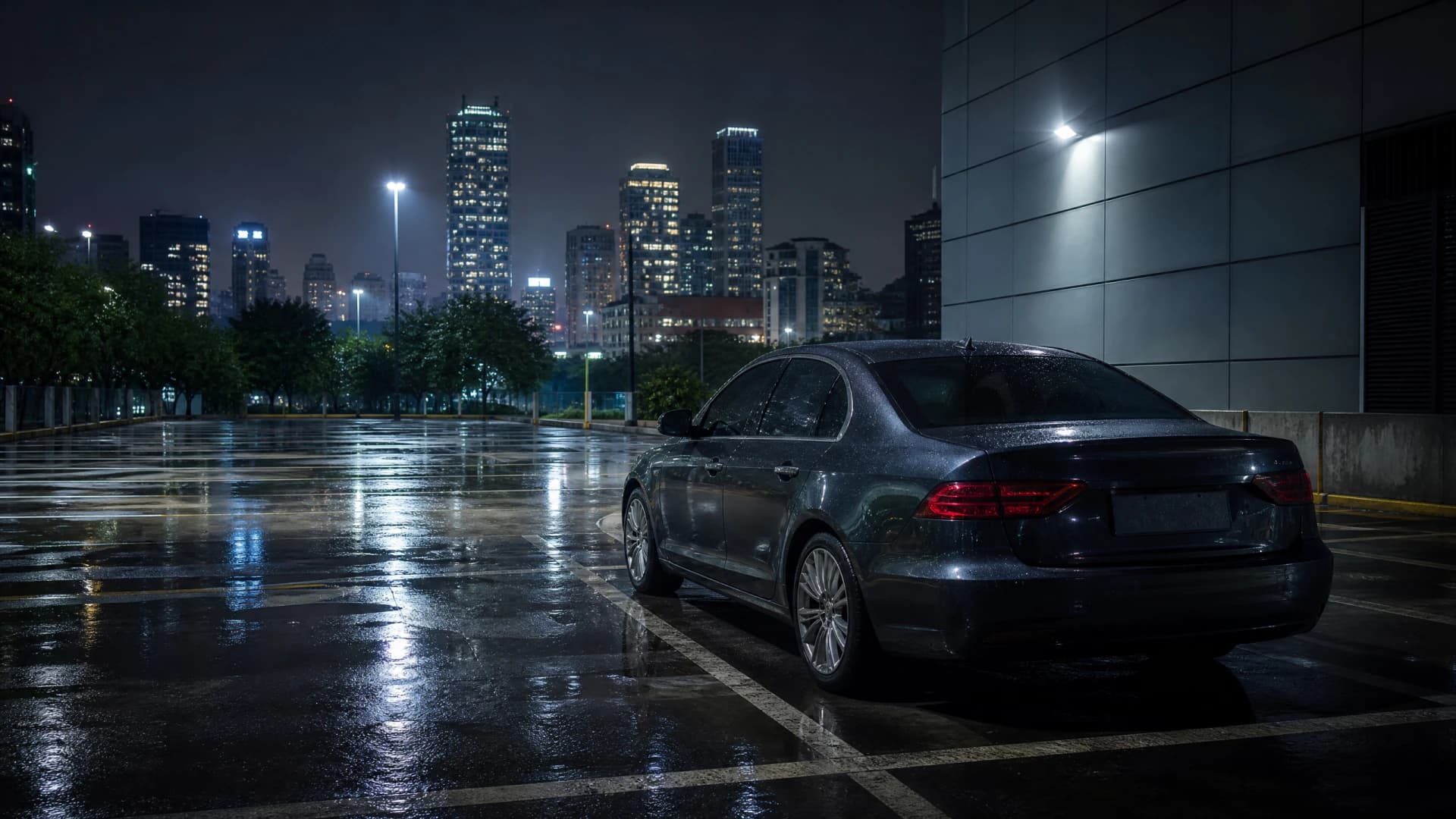
The blocker: you need clearance from both the DLD and the DMV. Paying the reinstatement fee and filing SR-22 clears the DLD hold, but the DMV registration block remains until you separately contact the DMV and pay any outstanding registration fees.
Related Articles


Clearing the DMV Registration Hold
The DMV registration block is separate from the DLD suspension. Even after the DLD clears your financial-responsibility hold, the DMV will not renew your registration until you pay any outstanding registration fees and penalties. If your registration expired while suspended, you owe back fees for the lapsed period. Utah does not waive those fees because the suspension was insurance-related.
Contact the DMV directly to confirm what you owe. The DMV can see whether the DLD clearance has posted to your record. If it has not yet posted, wait before paying — the DMV cannot process your renewal until the DLD hold is lifted. Once both the DLD clearance and your payment are in the system, the DMV releases the registration block and you can renew.
If you own multiple vehicles registered in Utah, the suspension applies to every vehicle titled in your name. You cannot selectively reinstate one car and leave another suspended. The SR-22 filing and reinstatement fee clear the hold for all your vehicles, but you must renew each registration separately and pay the fees for each one.
3 years
Utah SR-22 Filing Period
Utah requires continuous SR-22 filing for three years after reinstatement. If your policy cancels or lapses at any point during those three years, your carrier notifies the state and your registration suspends again.
Utah SR-22 certificate requirements
What Happens If You Drive During the Suspension
Driving with a suspended registration is a separate violation. If you are stopped, the officer will cite you for operating an unregistered vehicle and for driving without insurance if your policy lapsed. Utah treats these as distinct offenses. The unregistered-vehicle citation carries its own fine and can extend your suspension period. The no-insurance citation triggers a new financial-responsibility case, which means a new hearing and potentially a longer SR-22 filing period.
The suspension also blocks you from registering any other vehicle. If you buy a second car or try to transfer a title while the hold is active, the DMV will refuse the transaction. You must clear the suspension on your existing vehicle before the DMV will process any new registration in your name.
Finding a Carrier That Writes SR-22 in Utah
Not every carrier writes SR-22 policies. Preferred carriers like Amica and Auto-Owners do not file SR-22 certificates in Utah. Standard and non-standard carriers handle most financial-responsibility filings. In Utah, Allstate, American Family, Bristol West, Dairyland, Farmers, GAINSCO, Geico, National General, Progressive, Root, The General, and USAA write SR-22 policies. State Farm writes SR-22 but does not advertise non-owner policies widely. Liberty Mutual writes SR-22 but confirmation of non-owner availability in Utah is incomplete.
If you no longer own the vehicle that triggered the suspension — you sold it, it was totaled, or you gave it to someone else — you still need SR-22 filing to clear the DLD hold. In that case, buy a non-owner SR-22 policy. A non-owner policy provides liability coverage when you drive a car you do not own, and the carrier files the SR-22 on your behalf. Bristol West, Dairyland, Farmers, GAINSCO, Geico, National General, Progressive, The General, Travelers, and USAA write non-owner policies with SR-22 filing in Utah. The non-owner policy satisfies the state's financial-responsibility requirement even though you do not currently own a car.
How to Clear the DLD Suspension
First, buy a policy that meets Utah's minimum liability limits and includes personal injury protection. Tell the agent or carrier you need SR-22 filing. The carrier files the certificate electronically with the DLD, usually within one to three business days. You do not file it yourself — the insurer handles the submission. Once the DLD receives the SR-22, the system updates your record to show you now carry compliant coverage.
Second, contact the Driver License Division to confirm the SR-22 is on file and pay the forty-dollar reinstatement fee. You can call the DLD or visit a field office. The fee clears the suspension order. The DLD then notifies the DMV that the financial-responsibility hold is lifted. This notification is not instant — allow two to five business days for the DMV to receive and process the clearance from the DLD before you attempt to renew your registration.
Get Your Free Quote
Get My Utah Car Insurance QuoteFrequently Asked Questions
How long does it take to reinstate my registration after an insurance lapse in Utah?
Reinstatement takes one to seven business days after you buy SR-22 insurance and pay the forty-dollar fee. Your carrier files the SR-22 electronically with the Driver License Division within one to three days. The DLD then notifies the DMV, which takes another two to five days. Once both agencies clear your holds, you can renew your registration at the DMV.
Can I reinstate my Utah registration without SR-22 if I now have insurance?
No. Utah requires SR-22 filing for three years after any insurance lapse that triggered a suspension. Simply buying a new policy does not satisfy the state's financial-responsibility requirement. Your carrier must file the SR-22 certificate with the Driver License Division, and you must maintain that filing continuously for the full three-year period.
What is the reinstatement fee for a suspended registration in Utah?
The Driver License Division charges a forty-dollar reinstatement fee. This fee is separate from any DMV registration renewal fees you owe. You pay the reinstatement fee to the DLD after your carrier files the SR-22. The DMV registration fees are paid separately when you renew your registration.
Do I need SR-22 if I sold the car that caused the suspension?
Yes. The suspension is tied to your driver record, not the vehicle. Even if you no longer own the car, you must file SR-22 to clear the Driver License Division hold. Buy a non-owner SR-22 policy, which provides liability coverage when you drive a car you do not own and satisfies Utah's financial-responsibility requirement.
Can I register a different vehicle in Utah while my registration is suspended?
No. The suspension blocks all registration transactions in your name. You cannot register a new vehicle, renew an existing registration, or transfer a title until you clear the Driver License Division hold by filing SR-22 and paying the reinstatement fee. The block applies to every vehicle you own.
What happens if my insurance lapses again during the three-year SR-22 period?
Your carrier notifies the Driver License Division immediately, and your registration suspends again. You must buy a new policy with SR-22 filing, pay another forty-dollar reinstatement fee, and the three-year SR-22 period restarts from the new reinstatement date. Multiple lapses extend the total time you carry SR-22 filing.