
Car Insurance Documents for Moving to Utah
Free to compare
What You Need at the DMV Counter
You moved to Utah last month with two cars titled in your name. You drove to the DMV to register both vehicles, confident your current policy from your previous state would satisfy the requirement. The clerk reviewed your insurance card and told you the policy does not meet Utah's minimum liability limits. You left without registering either car, unsure what to fix or how quickly.
Utah grants new residents 60 days to register vehicles after establishing residency. During that window, your out-of-state insurance remains valid for driving, but the DMV will not register your vehicles unless your policy meets or exceeds Utah's statutory minimums: $30,000 bodily injury per person, $65,000 bodily injury per accident, and $25,000 property damage. If your current policy falls short on any limit, you must upgrade before registration. Most multi-car households discover this gap at the counter, not before.
“Utah DMV accepts out-of-state policies during the 60-day window, but only if the policy meets Utah's minimum limits — most multi-car households discover the gap at the counter.”

Meet Utah's Requirements Without Overpaying
Get My Utah Car Insurance Quote$30,000 / $65,000 / $25,000
Utah Minimum Liability Limits
Utah requires $30,000 bodily injury per person, $65,000 bodily injury per accident, and $25,000 property damage. Your out-of-state policy must meet or exceed all three to register vehicles.
Utah Code § 31A-22-304
How Out-of-State Policies Transfer
Your out-of-state policy remains valid for driving in Utah during the 60-day registration window. You do not need to cancel it immediately or buy a Utah policy the day you arrive. The policy covers all vehicles listed on it, regardless of where they are garaged, until you formally establish Utah residency and the registration deadline passes.
The structural reality: Utah DMV accepts an out-of-state policy for registration only if the policy meets Utah's minimum limits and lists the vehicles you are registering. If your policy covers one car but you are registering two, the unlisted vehicle will be rejected. If your policy meets your previous state's minimums but those minimums are lower than Utah's, the DMV will reject both vehicles.
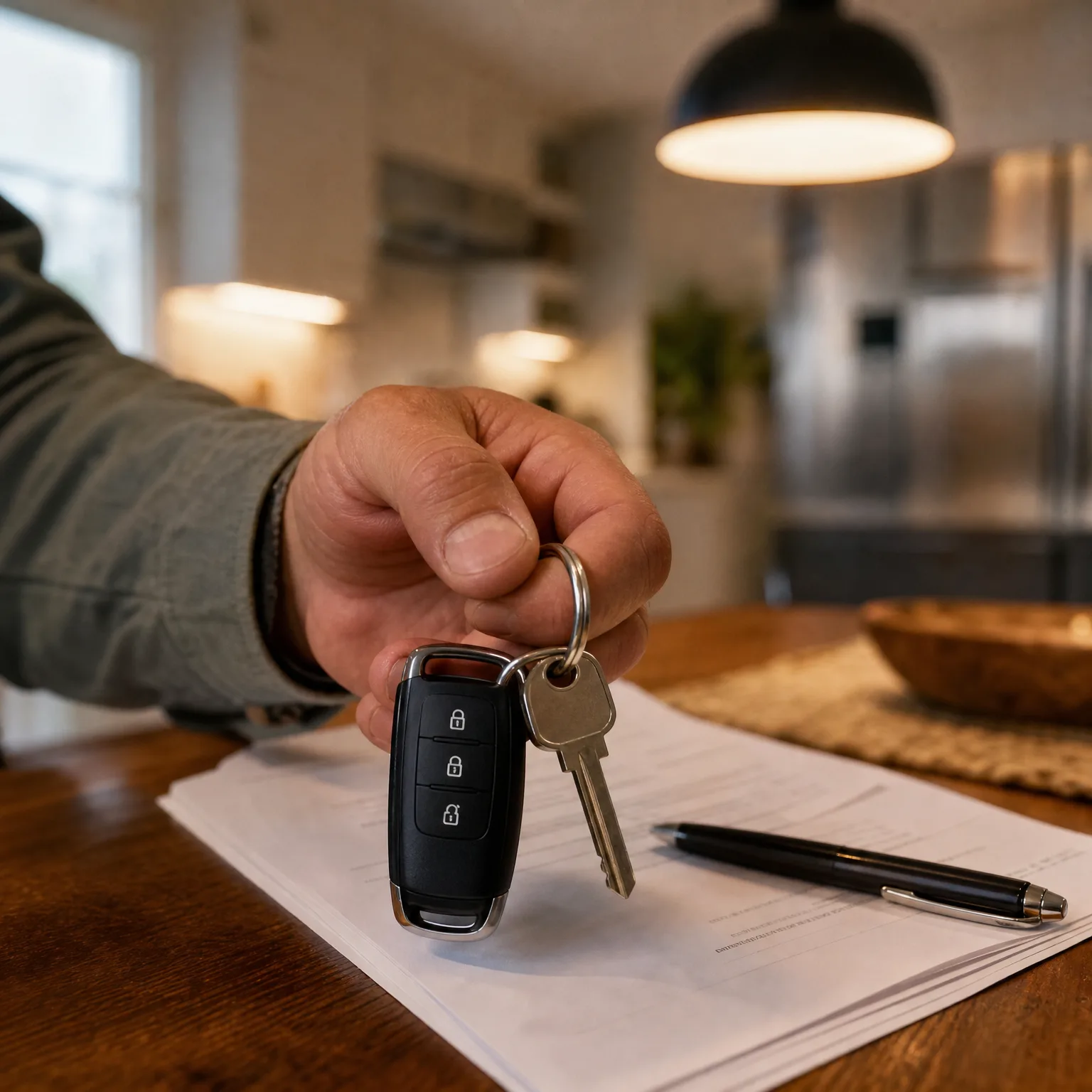
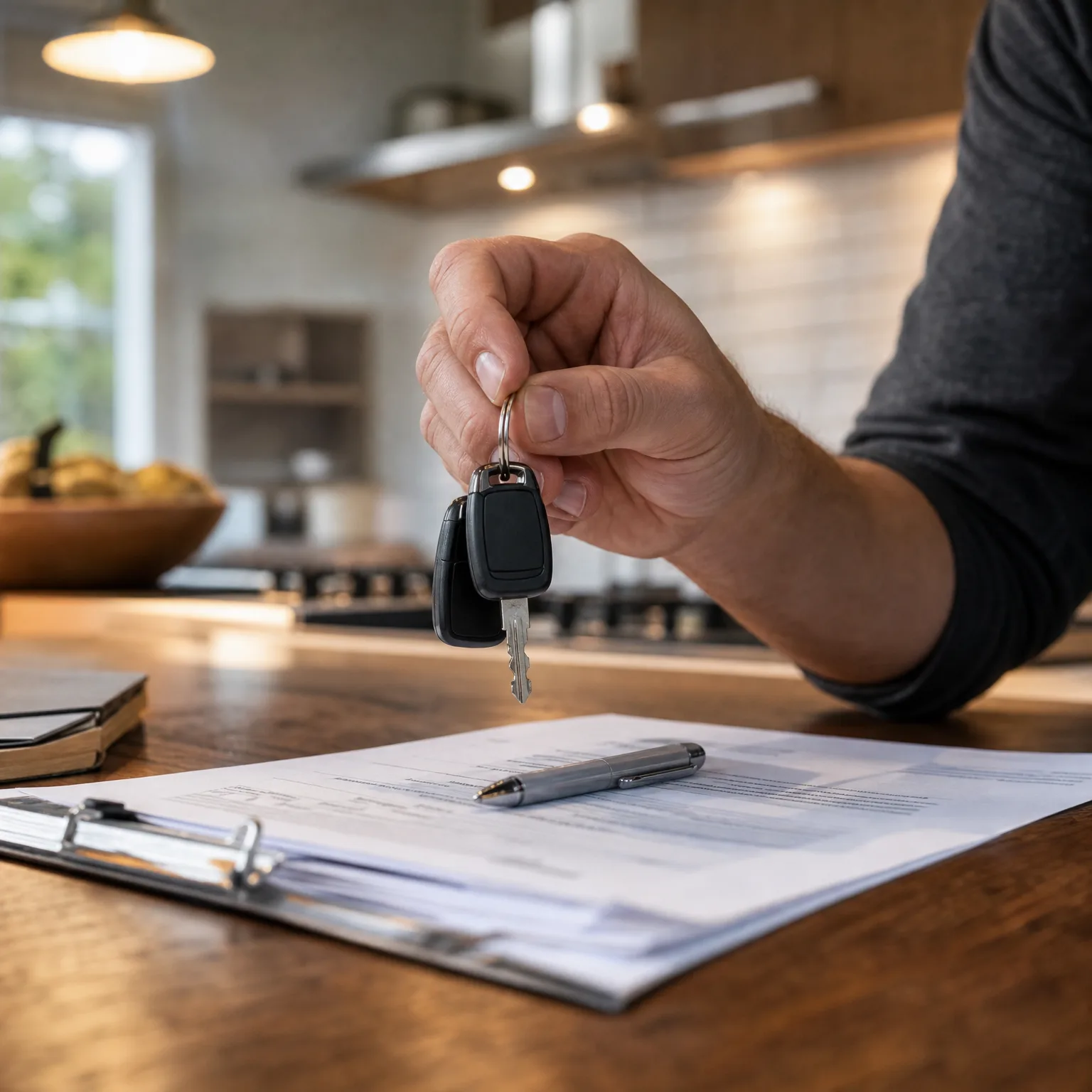
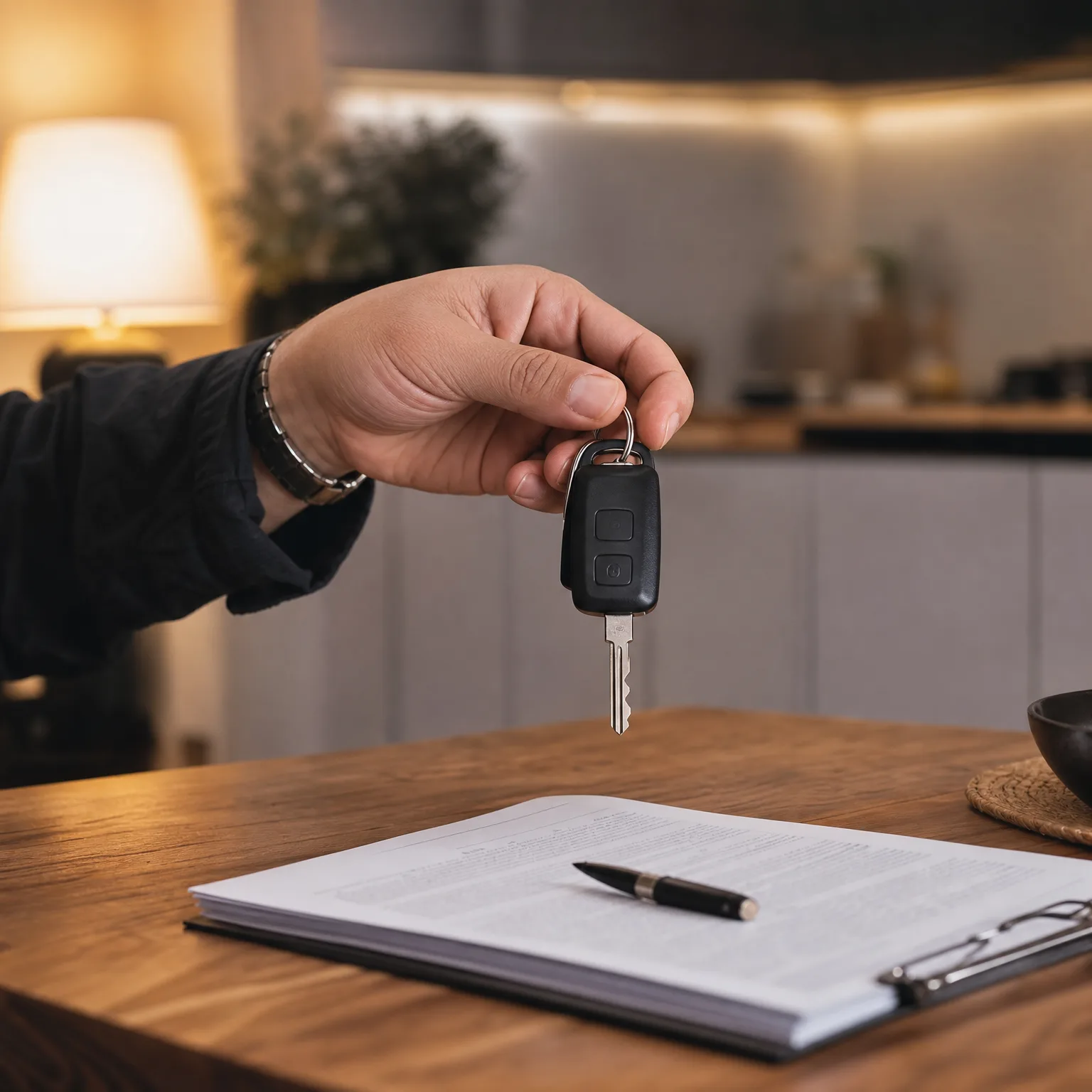
Most carriers allow you to update your garaging address and add Utah-required coverage to your existing policy without canceling and rewriting. Call your carrier before visiting the DMV. Confirm the policy lists every vehicle you plan to register, verify the liability limits meet Utah's minimums, and request a new declarations page or digital ID card showing the updated information. Bring that document to the DMV.

The DMV will not register any vehicle unless your insurance document lists that specific vehicle and meets Utah's $30,000/$65,000/$25,000 minimums.
Related Articles

When Your Policy Covers Multiple Vehicles
A multi-car policy lists every vehicle on the same declarations page. If you are registering two or three cars, the DMV clerk will verify that each VIN appears on the document and that the liability limits apply to all vehicles. Most multi-car policies apply the same liability limits across every vehicle, but some carriers allow split limits where one vehicle carries higher coverage than another. If your policy uses split limits, confirm every vehicle meets Utah's minimums individually.
If you moved with a spouse or household member and each of you maintains a separate policy, the DMV requires separate proof for each vehicle. You cannot register a car titled to your spouse using your own insurance document. Each policyholder brings their own declarations page or ID card showing the vehicle they are registering. Combining two policies into one multi-car policy before registration simplifies the process and often reduces your combined premium, but it is not required.
60 days
Utah Vehicle Registration Deadline
New residents must register all vehicles within 60 days of establishing residency. Miss the deadline and you face penalties, plus your out-of-state registration becomes invalid for driving in Utah.
Utah Code § 41-1a-202
What Happens If Your Limits Fall Short
If your current policy meets your previous state's minimums but not Utah's, you have two options: upgrade your existing policy to Utah-required limits, or buy a new Utah policy and cancel the old one. Upgrading is faster. Call your carrier, request the higher limits, and ask for a new declarations page showing the change. Most carriers process the update within one business day and email the revised document.
If your carrier does not write policies in Utah or refuses to increase your limits, you must buy a new policy from a Utah-licensed carrier before the 60-day deadline. Compare carriers writing multi-car policies in Utah to find one that insures all your vehicles on a single policy. Once the new policy is active, request the declarations page and bring it to the DMV. Cancel your old policy only after the new one is in force — never let coverage lapse between policies.
Compare Carriers Before You Register
The 60-day registration window is also your opportunity to compare Utah carriers and find the policy that fits your household. If you are upgrading your out-of-state policy to meet Utah's minimums, the premium will change. If you are buying a new policy, you are starting fresh. Either way, you are making a coverage decision — use the time to compare.
Utah licenses 20 carriers writing multi-car policies, including national carriers and regional specialists. Request quotes from at least three carriers that insure all your vehicles on one policy. Confirm each quote meets Utah's $30,000/$65,000/$25,000 minimums and includes any additional coverage you need, such as uninsured motorist or personal injury protection. Bring the declarations page from your chosen carrier to the DMV and register all vehicles at once.
Which Documents DMV Accepts
The declarations page is the most common document. It lists every vehicle on your policy, the coverage types and limits for each, the policy period, and your name as the policyholder. If you updated your policy to add Utah-required coverage or changed your garaging address, request a new declarations page from your carrier before visiting the DMV. The page must be current — a declarations page showing an expired policy period will be rejected.
A digital insurance ID card works if your carrier provides one through their mobile app. The card must display the vehicle VIN, your name, the policy number, the effective and expiration dates, and the liability limits. Screenshot the card or open the app at the counter. Paper insurance cards work the same way, but many carriers no longer mail them automatically. If you rely on a paper card, confirm it shows the correct vehicle and current policy dates before leaving home.
Get Your Free Quote
Get My Utah Car Insurance QuoteFrequently Asked Questions
Can I register my car in Utah with an out-of-state insurance policy?
Yes, if the policy meets Utah's minimum liability limits of $30,000/$65,000/$25,000 and lists the vehicle you are registering. The policy remains valid during your 60-day registration window. If your limits fall short, upgrade the policy or buy a Utah policy before visiting the DMV.
What insurance documents does Utah DMV accept for vehicle registration?
Utah DMV accepts a declarations page, a digital insurance ID card, or a paper insurance card. Each must show your name, the vehicle VIN, the policy effective date, and liability limits meeting state minimums. A declarations page is most common for multi-car households because it lists every vehicle on one document.
Do I need separate insurance documents for each car I register in Utah?
No, if all vehicles are on the same multi-car policy. The declarations page lists every vehicle, and the DMV verifies each VIN appears on the document. If vehicles are on separate policies, each policyholder brings their own proof for the vehicle they are registering.
How long do I have to register my vehicles after moving to Utah?
Utah grants new residents 60 days to register vehicles after establishing residency. Your out-of-state insurance remains valid for driving during that window, but you must register before the deadline or face penalties and an invalid out-of-state registration.
What happens if my insurance limits are lower than Utah requires?
The DMV will not register your vehicles. You must upgrade your existing policy to meet Utah's $30,000/$65,000/$25,000 minimums or buy a new Utah policy. Most carriers process limit increases within one business day and provide a revised declarations page you can bring to the DMV.
Can I combine two separate policies into one multi-car policy before registering in Utah?
Yes. Combining policies simplifies registration because one declarations page covers all vehicles. It often reduces your combined premium. Contact carriers writing multi-car policies in Utah, request quotes, and choose the policy that insures all your household's vehicles before the 60-day deadline.