
Rental Reimbursement Coverage — Utah
Free to compare
The Multi-Car Rental Coverage Question
You're insuring two, three, or four vehicles on one Utah policy, and your carrier is offering rental reimbursement coverage for each car. The question isn't whether rental coverage is useful — it's whether you need it on every vehicle, or just some of them. Most households assume the coverage works like a pool: buy it once, use it when any car is in the shop. That's not how it works.
Rental reimbursement is a per-vehicle endorsement. If your sedan has rental coverage and your SUV doesn't, a claim on the SUV leaves you without a rental. This structure forces a decision: cover every car and pay the premium on each, cover only the vehicles most likely to need body-shop time, or skip it entirely and self-fund the rental risk. The right answer depends on how your household uses its cars, what your deductibles look like, and whether you can absorb a week without one vehicle.
“Rental coverage is attached to the specific vehicle listed on the endorsement — it does not transfer to your other cars.”

Meet Utah's Requirements Without Overpaying
Get My Utah Car Insurance Quote$30,000 / $65,000 / $25,000
Utah Minimum Liability Limits
Utah requires $30,000 bodily injury per person, $65,000 per accident, and $25,000 property damage. These minimums apply to every vehicle on your policy, but rental reimbursement is optional and priced separately per car.
Utah state liability requirements
How Rental Coverage Works on a Multi-Car Policy
The coverage is attached to the specific vehicle listed on the endorsement. It does not transfer to your truck, your spouse's car, or any other vehicle on the policy.
This per-vehicle structure matters most when one car is out of service and you still have others to drive. A household with three cars can often absorb the loss of one vehicle for a few days without renting. A household with two cars — especially if both adults commute separately — loses that flexibility. The decision isn't whether rental coverage is valuable in the abstract; it's whether the specific vehicle being covered is critical enough that losing it creates a rental need you can't solve with the cars you still have.
The daily limit and the maximum-days cap both matter. A 30-day cap is generous for most body-shop timelines, but a total-loss claim can leave you without a car for weeks while you shop for a replacement — and rental coverage stops paying once the claim settles, not when you actually buy the next car.
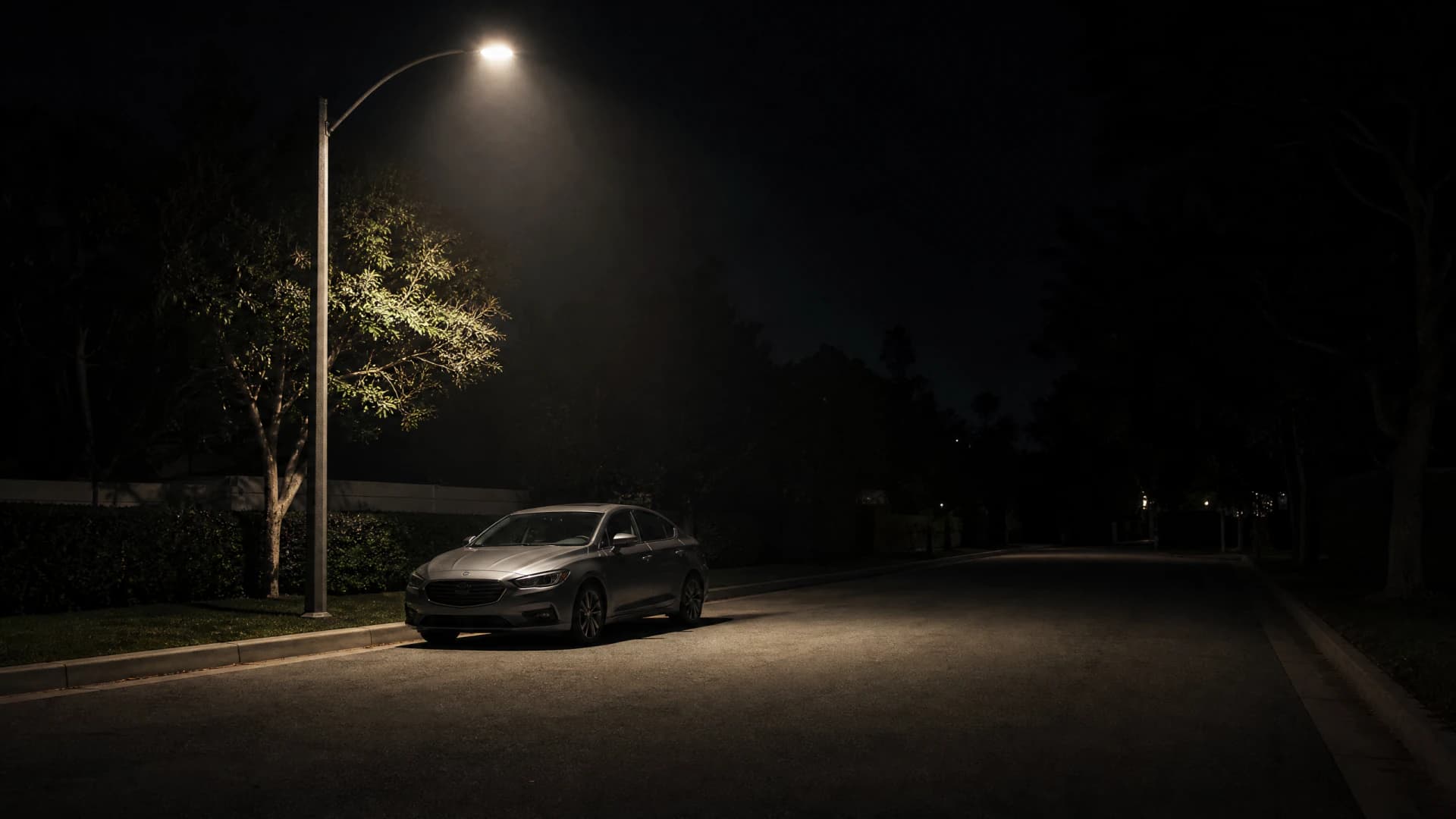
Rental coverage is priced per vehicle. Adding it to three cars costs three times the per-vehicle premium, even though you can only rent one car at a time.
Related Articles


When Skipping Coverage Makes Sense
Households with three or more vehicles often skip rental coverage entirely, because the fleet itself is the backup plan. If one car is in the shop, the household still has two others to cover commutes, errands, and kid transport. The rental risk only materializes if two cars are down simultaneously — a low-probability event that most households are willing to self-insure.
The calculus changes if your vehicles serve specialized roles. A household with a commuter sedan, a cargo van for a side business, and a weekend truck can't easily substitute one for another. Losing the van means renting a van, and commercial rental rates are higher than passenger-car rates. In that scenario, covering the van makes sense even if the household has other vehicles, because the replacement cost is high and the coverage is vehicle-specific.
Deductible size also matters. If you carry a $1,000 deductible, you've already decided to self-insure the first $1,000 of damage — skipping rental coverage and self-funding the rental cost is consistent with that risk tolerance. The two decisions should align.
2,876,800
Registered Vehicles in Utah
Utah had 2,876,800 registered motor vehicles as of 2022, with 2,252,656 licensed drivers — an average of 1.28 vehicles per driver. Multi-car households are the norm, not the exception.
Utah vehicle registration data, 2022

Mixing Coverage Across Your Fleet
You are not required to buy rental coverage on every vehicle just because you buy it on one. Carriers allow you to pick and choose. A common pattern: cover the two daily drivers, skip the third car that only gets used on weekends. Another: cover the newest car with the highest repair costs, skip the older paid-off vehicles where a week in the shop is an inconvenience but not a financial crisis.
The per-vehicle pricing makes this flexibility valuable. The key is to map the coverage to the actual risk: which car, if it were in the shop for a week, would force you to rent?
Compare Carriers and Coverage Limits
Not every carrier prices rental coverage the same way, and not every carrier offers the same daily limits. If you're covering a vehicle, it's worth comparing the limit options to make sure the daily rate actually covers a rental in your area.
When you're shopping for multi-car coverage in Utah, ask each carrier how rental reimbursement is priced per vehicle and what daily limits are available. Some carriers bundle rental coverage into a broader package; others price it separately. The structure affects the total cost when you're covering two or three cars. Use the comparison tool to see how rental coverage pricing varies across the carriers writing multi-car policies in Utah, and choose the structure that fits your household's vehicle count and rental risk.
Which Vehicles to Cover
Start with the vehicle you cannot do without. For most multi-car households, that's the primary commuter car — the one that gets someone to work every day, drops kids at school, or handles the errands no one else can cover. If losing that car for a week forces you to rent, cover it. If you have a second vehicle that can absorb those trips, the rental risk is lower. The same logic applies in reverse: a third or fourth car that sits in the driveway most of the week is a poor candidate for rental coverage, because losing it doesn't create a gap.
Next, compare the annual premium to the out-of-pocket cost of renting.
Get Your Free Quote
Get My Utah Car Insurance QuoteFrequently Asked Questions
Does rental reimbursement coverage apply to all cars on my policy?
No. Rental reimbursement is a per-vehicle endorsement. If you buy it for your sedan, it only pays when the sedan is in the shop. It does not cover rentals when your truck or SUV is being repaired unless you also bought coverage for those vehicles.
How much does rental coverage cost on a multi-car policy in Utah?
Covering three cars costs three times the per-vehicle premium, even though you can only rent one car at a time.
Can I buy rental coverage for some cars but not others?
Yes. Carriers allow you to choose which vehicles on your policy get rental coverage. A common approach is to cover the daily drivers and skip the third or fourth car that only gets occasional use.
What daily rental limit should I choose for a multi-car policy?
Does rental coverage pay if my car is totaled?
Rental coverage pays while your car is being repaired, and it stops when the claim settles — not when you actually buy a replacement. If your car is totaled, coverage typically ends once the carrier issues the settlement check, even if you're still shopping for your next vehicle.