
Car Impoundment for Driving Without Insurance — Utah
Free to compare
When Utah Officers Can Impound Your Car
Utah law gives officers discretion to impound a vehicle when the driver cannot provide proof of insurance during a traffic stop. The impoundment is not automatic for every uninsured-driving citation. It depends on the circumstances of the stop: whether the vehicle poses a safety or obstruction concern, whether another licensed and insured driver is present to take custody, and whether the officer determines the vehicle should be removed from the roadway.
This creates a structural confusion. Many drivers assume that driving without insurance triggers either impoundment or it doesn't, uniformly. The reality is that two drivers stopped for the same violation can face different outcomes. One walks away with a citation and a court date; the other watches their car towed to an impound lot. The difference lies in the officer's assessment of the situation, not just the missing coverage.
“Two drivers stopped for the same violation can face different outcomes: one walks away with a citation, the other watches their car towed to impound.”
Meet Utah's Requirements Without Overpaying
Get My Utah Car Insurance Quote$30,000 / $65,000 / $25,000
Utah Minimum Liability Limits
Utah requires $30,000 bodily injury per person, $65,000 per accident, and $25,000 property damage. Driving without at least this coverage exposes you to citation, license suspension, and potential impoundment during a stop.
Utah Code Ann. § 31A-22-304
What Triggers Impoundment Versus Citation Only
Impoundment is more likely when the stop involves an accident, a DUI arrest, or a situation where the vehicle cannot legally remain where it sits. If you're pulled over for a routine traffic violation and the officer discovers you lack insurance, but another household member with valid coverage and a license is in the car, the officer may allow that person to drive the vehicle home. If you're alone, or if no one present can legally take custody, impoundment becomes the default.
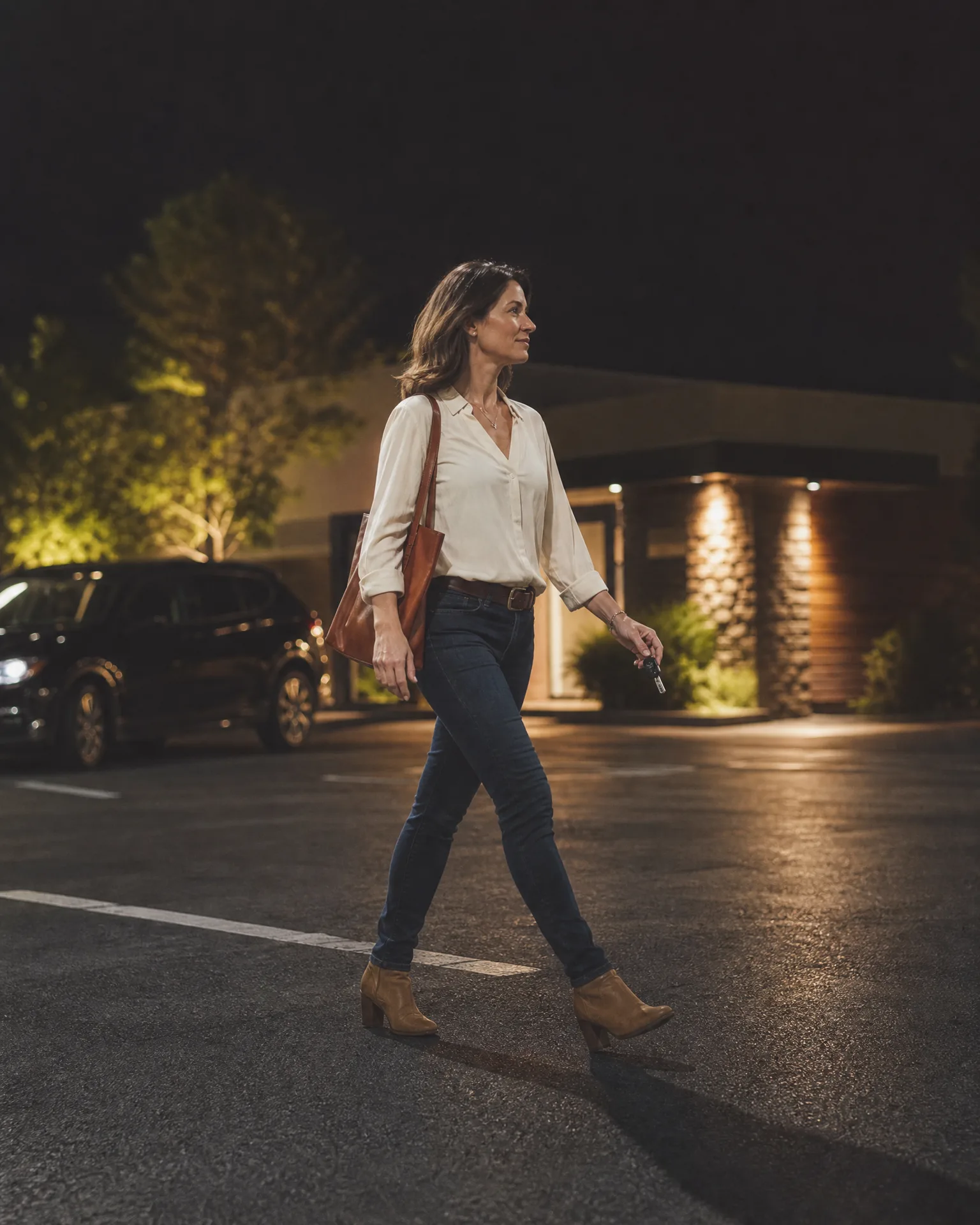
The officer's discretion also weighs whether you've been cited for uninsured driving before, whether your license is already suspended, and whether the vehicle is registered to you or someone else. A repeat offender driving a car registered in their own name, stopped alone at night, faces the highest impoundment risk. A first-time violator stopped during the day with a licensed passenger may avoid it.
Impoundment is not a separate penalty. It's a procedural step the officer takes to remove a vehicle from the roadway when the driver cannot legally operate it and no one else can take custody. The citation for driving without insurance is the violation. The impoundment is the consequence of the stop's circumstances.
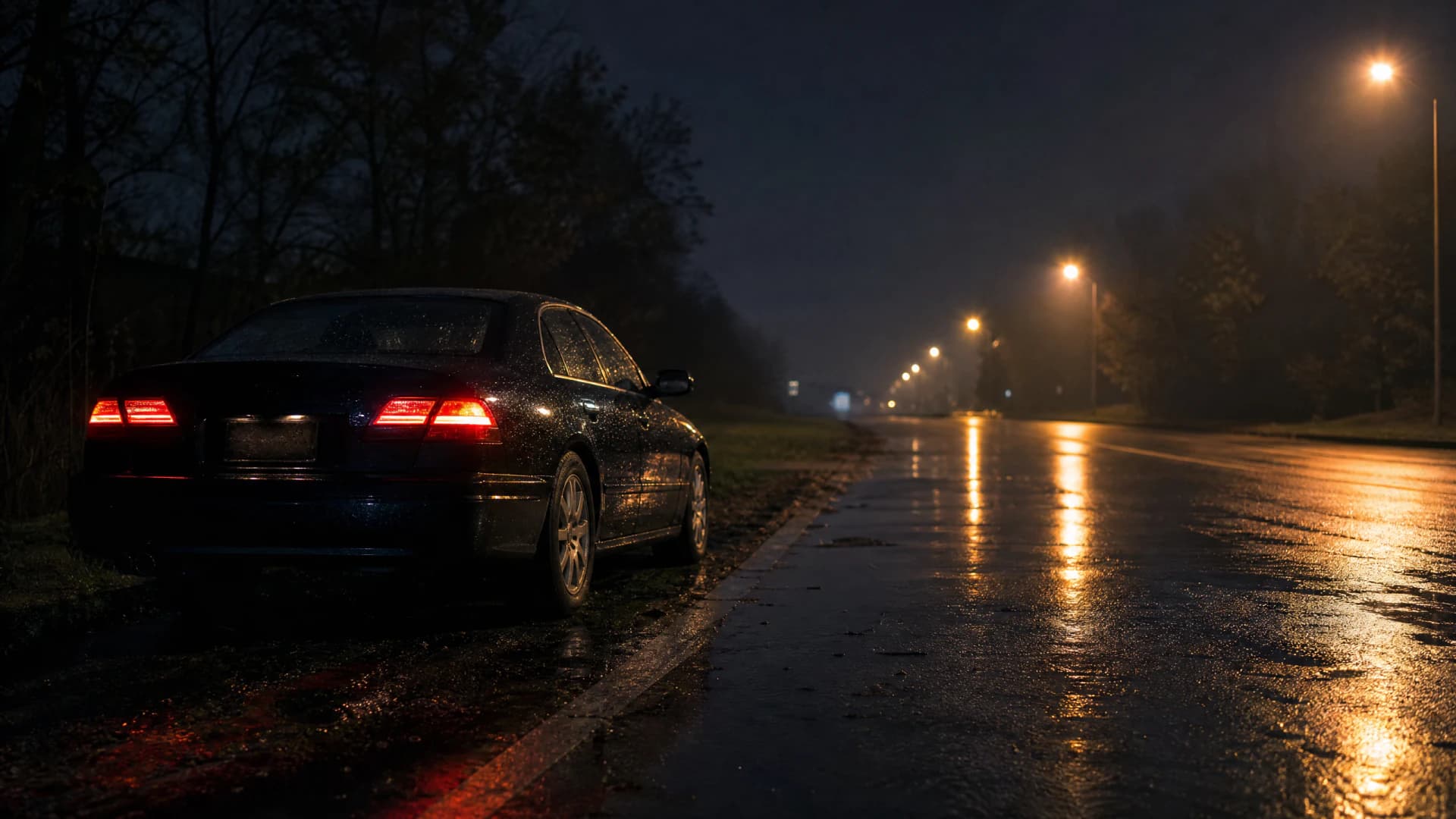
Utah officers decide impoundment case by case. No automatic rule protects your car if you're caught uninsured, even on a first offense.
Related Articles


License Suspension and Reinstatement After an Uninsured-Driving Stop
A conviction for driving without insurance in Utah triggers a license suspension. The Utah Driver License Division suspends your license until you file proof of insurance and pay a $40 reinstatement fee. The suspension is indefinite: it lasts until you meet the reinstatement requirements, not for a fixed number of days or months.
You must also file an SR-22 Certificate of Insurance for 3 years after the conviction. The SR-22 is not a type of insurance. It's a form your carrier files with the state to prove you're carrying at least the minimum required coverage. Not all carriers file SR-22 certificates. If your current carrier doesn't, you'll need to switch to one that does. Carriers that write SR-22 policies in Utah include Geico, Progressive, State Farm, Farmers, National General, USAA, The General, Bristol West, Dairyland, and GAINSCO.
The reinstatement process requires three steps: obtain a policy that meets Utah's minimum liability limits, have the carrier file the SR-22 with the Driver License Division, and pay the $40 reinstatement fee. Once the Division receives the SR-22 and the fee, your license is reinstated. If you let the policy lapse during the 3-year SR-22 period, the carrier notifies the state, and your license is suspended again.
3 years
Utah SR-22 Filing Period
Utah requires SR-22 filing for 3 years after a conviction for driving without insurance. The period begins on the conviction date, not the filing date. If the policy lapses, the clock resets.
Utah Admin. Code R708-41
Avoiding Impoundment Before It Happens
The only reliable way to avoid impoundment is to carry proof of insurance every time you drive. Utah law requires you to show proof during any traffic stop. Acceptable proof includes a paper insurance card, a digital card on your phone, or a policy declaration page. Officers do not accept expired cards, even if you've renewed the policy but haven't received the new card yet. If you cannot provide current proof, the officer treats the stop as if you're uninsured, even if you actually have coverage.
If you're stopped and realize your proof is expired or missing, ask the officer whether you can pull up your carrier's app or call your agent to verify coverage on the spot. Some officers will verify coverage through their dispatch system if you provide your policy number. This doesn't guarantee you'll avoid a citation, but it reduces the chance of impoundment if the officer confirms coverage exists.
What to Do If Your Car Is Impounded
If your car is impounded, act within 24 to 48 hours. Storage fees accumulate daily, and the longer you wait, the harder it becomes to pay the total. Contact a carrier that writes policies for drivers without current coverage and files SR-22 certificates. Explain that you need coverage immediately to retrieve an impounded vehicle. Most carriers can bind a policy and file the SR-22 electronically the same day.
Once you have proof of insurance, call the impound lot to confirm what documents they require. Most lots want a copy of the insurance card, a valid driver's license, and the vehicle's registration. Bring cash or a debit card; many lots do not accept credit cards or checks. Pay the towing and storage fees, show your proof of insurance, and retrieve the vehicle. Keep the receipt and the proof of insurance in the car. You'll need both when you go to court for the citation and when you apply to reinstate your license.
How Impoundment Works in Practice
The officer calls a tow company contracted with the jurisdiction. The vehicle is towed to an impound lot, usually within the same county. You receive a citation for driving without insurance and a separate notice of impoundment with the lot's address and contact information.
If you cannot provide proof of insurance, the vehicle remains impounded. After a set period, usually 30 days, the lot can initiate a lien sale to recover unpaid fees. The impoundment does not erase the citation. You still face court, fines, and a license suspension if you're convicted of driving without insurance.
Get Your Free Quote
Get My Utah Car Insurance QuoteFrequently Asked Questions
Can Utah impound my car if I'm caught driving without insurance?
Yes. Utah officers have discretion to impound a vehicle when the driver cannot provide proof of insurance during a traffic stop. Impoundment is more likely if no licensed, insured driver is present to take custody of the vehicle or if the stop involves an accident or arrest.
How much does it cost to get my car out of impound in Utah?
You must also provide proof of insurance that meets Utah's minimum liability limits before the lot will release the vehicle. Costs increase the longer the car remains impounded.
What happens to my license if I'm caught driving without insurance in Utah?
A conviction for driving without insurance triggers an indefinite license suspension. To reinstate, you must obtain insurance, file an SR-22 certificate with the Driver License Division, and pay a $40 reinstatement fee. The SR-22 filing requirement lasts 3 years.
Can I avoid impoundment if someone else in the car has insurance?
Possibly. If another person in the vehicle has a valid license and proof of insurance covering that vehicle, the officer may allow them to drive it away instead of impounding it. This depends on the officer's discretion and the circumstances of the stop.
How long does Utah require SR-22 filing after driving without insurance?
Utah requires SR-22 filing for 3 years after a conviction for driving without insurance. The period begins on the conviction date. If your policy lapses during the 3-year period, your license is suspended again and the SR-22 clock resets.
What proof of insurance does Utah accept during a traffic stop?
Utah accepts a paper insurance card, a digital card displayed on your phone, or a policy declaration page. The proof must be current. Officers do not accept expired cards, even if you've renewed the policy but haven't received the updated card.