
Senior Driver Multi-Car Insurance — Utah
Free to compare
The Multi-Vehicle Decision at 65 and Older
You own two cars — maybe three — and you've reached the age where Utah requires vision testing at every renewal. You're comparing whether to keep every vehicle on one policy or split them across separate policies, and the standard advice about multi-car discounts does not address your actual situation: one driver, multiple vehicles, and the question of whether a car you drive only occasionally belongs on the same policy as your daily driver.
The multi-car discount typically requires every vehicle to sit on the same policy and share a garaging address. That structure works when multiple household members drive multiple cars. When one senior driver owns several vehicles but uses only one or two regularly, the decision shifts: you're weighing the discount against the cost of insuring a rarely-driven vehicle at the same coverage level as your primary car. This article walks the specific policy-structure path for Utah senior drivers managing multiple vehicles.
“The multi-car discount applies to the total premium, not each vehicle — a smaller discount on a lower base rate can beat separate policies.”

Meet Utah's Requirements Without Overpaying
Get My Utah Car Insurance Quote$1,428.94
Utah Average Annual Auto Expenditure
Utah drivers paid an average of $1,428.94 per insured vehicle in 2023. For a household insuring multiple vehicles, that figure scales with each car added to the policy, though the multi-car discount reduces the combined total.
NAIC Auto Insurance Database Report 2023
How Utah Senior Renewal Rules Interact with Multi-Car Policies
Utah requires vision testing at every renewal starting at age 65. Your license renews on an eight-year cycle, and you can renew online every other cycle — but only after passing the vision test. That testing requirement does not directly change your auto insurance premium, but it does anchor your renewal timeline to a state process that happens less frequently than your policy anniversary.
When you insure multiple vehicles on one policy, the policy renews annually. The carrier re-rates every vehicle on that anniversary, applying any age-based rate adjustments, claims history from the past year, and changes to your driving record. Your license renewal happens every eight years; your multi-car policy renewal happens every year. The two timelines do not sync, and the policy re-rating is the moment that determines your premium for the next twelve months.
Carriers do not penalize you for the vision test itself. They do adjust rates based on age brackets, and those adjustments apply to the policy as a whole when you renew. A multi-car policy with one senior driver typically receives the multi-car discount on the combined premium, then applies any age-based adjustment to the total. If you split the vehicles across separate policies, each policy renews independently, and you lose the multi-car discount entirely.
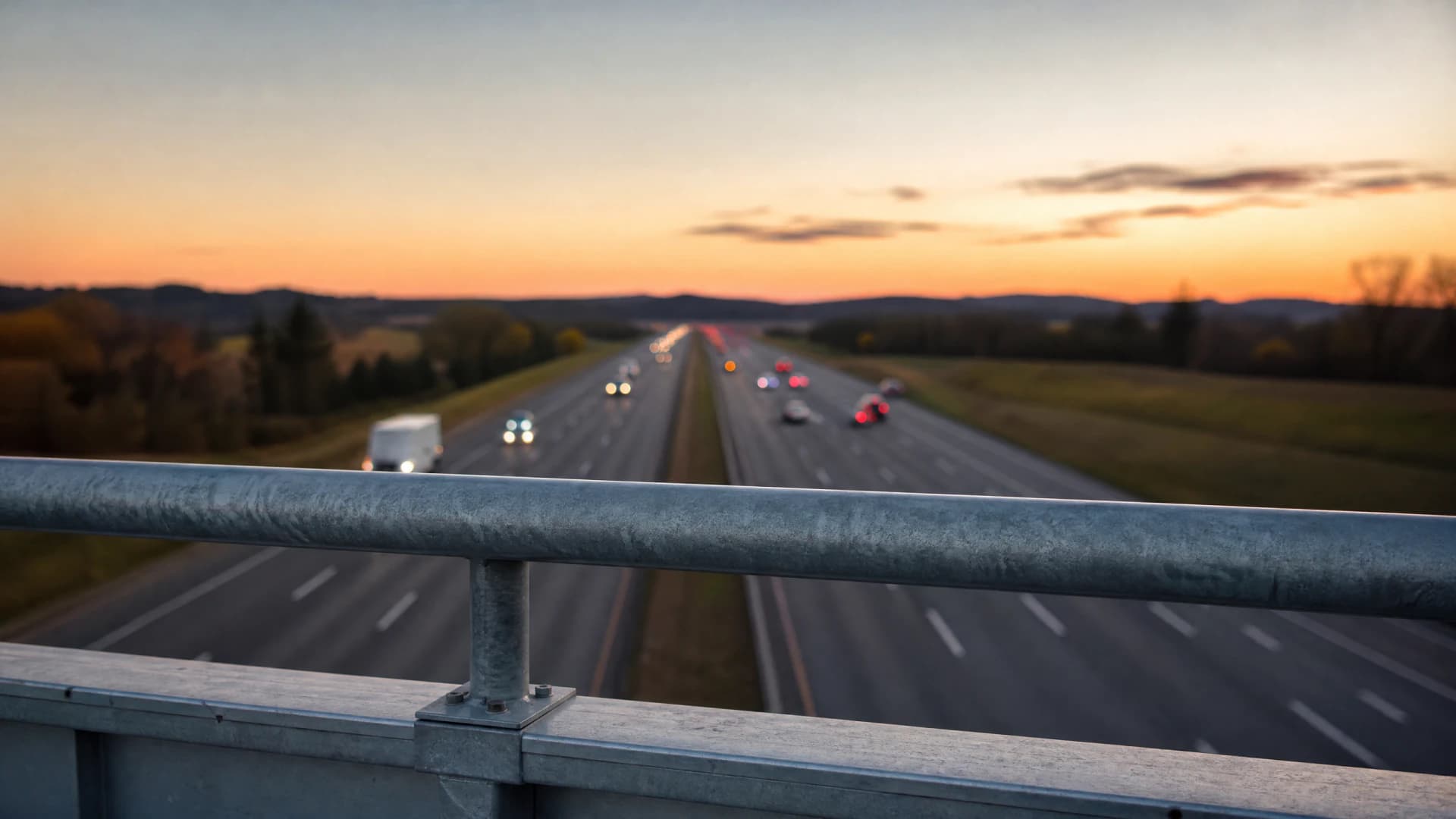
The multi-car discount requires every vehicle on the same policy. Splitting vehicles to separate policies eliminates the discount, even when the same driver owns all the cars.

When a Rarely-Driven Vehicle Belongs on the Shared Policy
The multi-car discount applies to the total premium, not to each vehicle individually. A smaller discount on a lower combined base rate can beat separate policies even when one vehicle sits unused most of the time. This happens when both vehicles are older, lower-value cars that do not justify comprehensive coverage, or when the rarely-driven car already carries liability-only coverage and adds minimal cost to the shared policy.
Utah requires liability minimums of $30,000 per person, $65,000 per accident, and $25,000 property damage, plus personal injury protection. A second vehicle on a shared policy must meet those minimums. The shared policy spreads the administrative cost across both vehicles; the separate policy charges full administrative overhead for one car.
Check the per-vehicle breakdown on your quote. Carriers provide a line-item cost for each car on a multi-vehicle policy.
91.8%
Utah Seat-Belt Use Rate
Utah drivers observed a 91.8% seat-belt use rate in 2022, one of the highest compliance rates in the region. Consistent seat-belt use reduces injury severity in crashes, which indirectly affects claim costs and long-term rate stability for senior drivers managing multiple vehicles.
NHTSA seat-belt observation survey 2022
Adjusting Coverage Levels Within a Multi-Car Policy
Most carriers let you set different coverage levels for each vehicle on a shared policy. Your daily driver can carry $500 collision and comprehensive deductibles while your second car carries $1,000 deductibles or drops physical-damage coverage entirely. The multi-car discount applies to the combined premium after those adjustments. This structure keeps both vehicles on one policy, preserves the discount, and tailors coverage to how you actually use each car.
When you request a multi-car quote, specify the coverage level for each vehicle separately. Do not assume the carrier will default to liability-only on the second car. If you do not specify, most carriers apply the same coverage selections to every vehicle on the policy. That default produces a quote where your rarely-driven car carries the same full-coverage limits as your primary vehicle, inflating the total premium and making the multi-car structure look more expensive than it actually is when properly configured.
Compare Carriers Writing Multi-Vehicle Policies in Utah
Seventeen carriers write auto insurance in Utah and offer multi-vehicle policies, including State Farm, Geico, Progressive, Allstate, Liberty Mutual, Farmers, Nationwide, USAA, Travelers, American Family, Amica, Auto-Owners, CSAA, Hartford, Bristol West, Dairyland, and National General. Not every carrier offers the same multi-car discount structure. Some apply a percentage discount to the total premium; others reduce the per-vehicle cost after the first car. The discount size and the base rate together determine your final cost.
Request quotes for both structures from at least three carriers: one quote with all vehicles on a shared policy at your preferred coverage levels, and one quote with each vehicle on a separate policy. The line-item breakdown shows exactly how much each car costs under each structure. The math is vehicle-specific; the only way to know is to compare both quotes side by side.
One Policy or Two: The Structure Decision
A multi-car policy applies the same coverage selections to every vehicle unless you explicitly adjust them. If your daily driver carries full coverage — collision, comprehensive, and liability above Utah's $30,000/$65,000/$25,000 minimums — and your second car is a rarely-driven vehicle you keep for occasional use, that second car receives the same full-coverage treatment on a shared policy. You pay for collision and comprehensive on a car you drive twice a month. The multi-car discount reduces the combined premium, but it does not eliminate the cost of insuring the second vehicle at a coverage level it may not need.
Splitting the vehicles to separate policies lets you tailor coverage per car. Your daily driver stays on a full-coverage policy; your rarely-driven car moves to a liability-only policy or a policy with higher deductibles. You lose the multi-car discount, but you also stop paying for comprehensive and collision on a vehicle that sits in the garage most weeks. Whether that trade-off saves money depends on the discount size and the coverage gap between the two vehicles. Carriers in Utah writing multi-vehicle policies include State Farm, Geico, Progressive, Allstate, Farmers, and USAA. Compare quotes for both structures before deciding.
Get Your Free Quote
Get My Utah Car Insurance QuoteFrequently Asked Questions
Does Utah require senior drivers to carry higher liability limits?
No. Utah requires the same liability minimums for all drivers: $30,000 per person, $65,000 per accident, and $25,000 property damage, plus personal injury protection. Age does not change the state minimum, though carriers may adjust rates based on age brackets at policy renewal.
Can I insure two cars on one policy if I'm the only driver?
Yes. Multi-car policies do not require multiple drivers. One driver can insure two or more vehicles on a shared policy and receive the multi-car discount, as long as all vehicles are garaged at the same address and titled to the same household.
How does the multi-car discount work when one vehicle is rarely driven?
The discount applies to the combined premium after coverage selections. If your rarely-driven car carries full coverage, the discount reduces a higher total. If you drop that car to liability-only, the discount reduces a lower total. Compare both scenarios to see which saves more.
Do I need to notify my carrier when I stop driving one of my cars regularly?
You are not required to notify the carrier when driving frequency changes, but you should review your coverage. If a car sits unused most of the time, dropping collision and comprehensive saves money. The carrier does not automatically adjust coverage based on how often you drive.
Can I split my vehicles to separate policies mid-term?
Yes. You can cancel one vehicle from your current policy and move it to a new policy at any time. The carrier will pro-rate the refund for the canceled vehicle and issue a new policy for the remaining term. Compare the cost of both structures before making the change.
Does Utah's vision test requirement at 65 affect my insurance rate?
No. The vision test is a license-renewal requirement, not an insurance rating factor. Carriers adjust rates based on age brackets, driving record, and claims history, but the vision test itself does not trigger a rate change.
What happens to my multi-car discount if I sell one vehicle?
The discount disappears when you drop below two vehicles on the policy. If you sell one car and keep only one vehicle insured, the policy converts to a single-vehicle policy and the multi-car discount no longer applies at the next renewal.