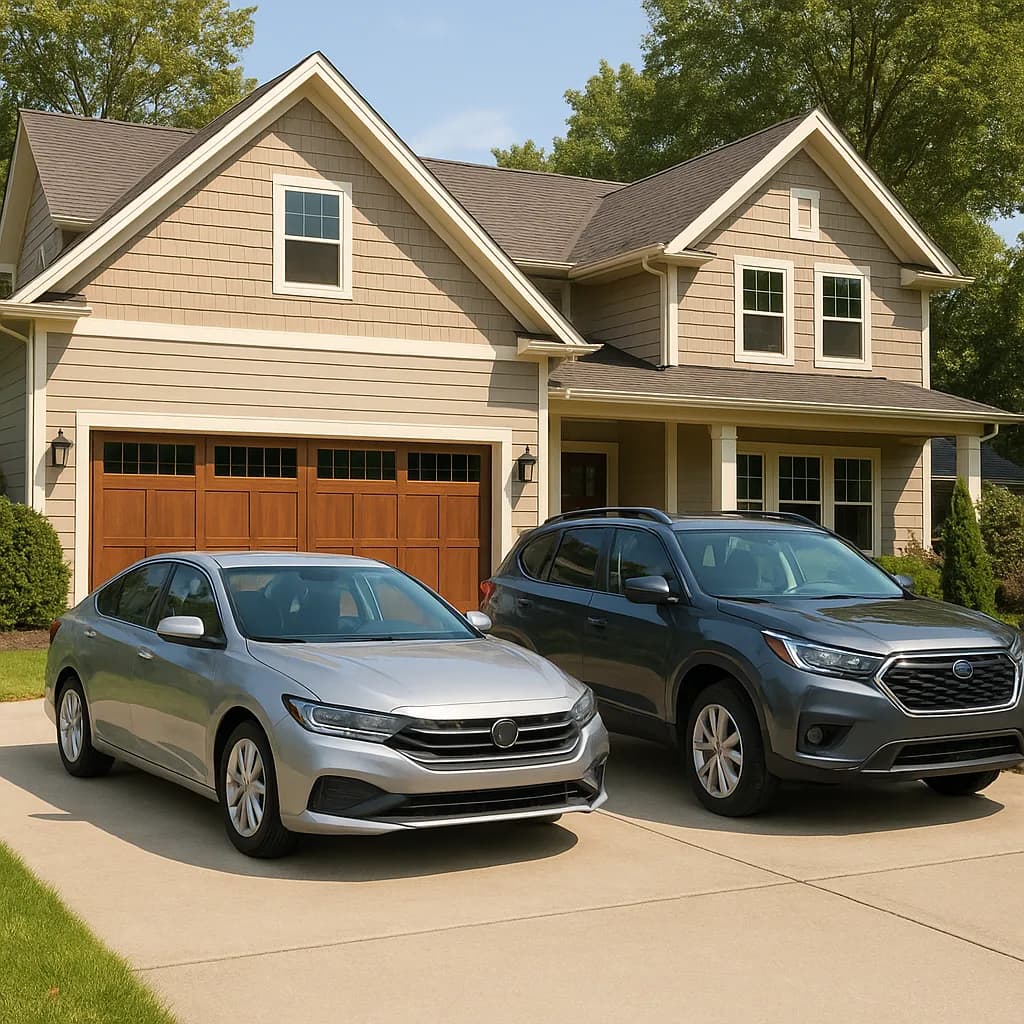
You Insure Multiple Vehicles and Want Lower Premiums
You carry insurance on two or more cars in Utah — maybe a sedan and an SUV, maybe three vehicles across two drivers, maybe a work truck and a family car — and the combined premium feels higher than it should. You have heard that insuring multiple vehicles on one policy saves money, but you are not sure whether your current setup captures that discount, or whether switching carriers would lower the total.
Utah requires every registered vehicle to carry minimum liability coverage: $30,000 per person for bodily injury, $65,000 per accident, and $25,000 for property damage, plus personal injury protection. When you insure multiple vehicles, those minimums apply to each car, but the way carriers structure multi-car discounts and re-rate policies when you add or remove a vehicle determines whether you pay more or less than you expect.
Compare car insurance rates in your state
Get quotes from licensed carriers — no obligation, no spam, results in minutes.
Get Your Free QuoteUtah Multi-Vehicle Writers
19 carriers
Nineteen carriers write auto insurance in Utah and offer multi-car policies, giving households meaningful comparison leverage. Not every carrier prices multi-vehicle households the same way, and the discount structure varies by carrier.
Utah Department of Insurance carrier roster
The Multi-Car Discount Requires Every Vehicle on the Same Policy
The multi-car discount applies only when every vehicle sits on one policy under one household address. If you and a spouse each maintain separate policies, or if a household member's car is titled separately and insured on their own policy, the discount does not apply to either policy. Combining two existing policies into one shared policy usually lowers the total premium, but not always — the combined rate depends on every driver's record, every vehicle's value, and the coverage levels you choose.
Adding a vehicle mid-term triggers a full policy re-rate. The carrier does not simply add a flat amount for the new car; it recalculates the premium for every vehicle on the policy based on the updated household profile. If the new vehicle is higher-value or if the driver assigned to it has a recent violation, the re-rate can increase the premium for all cars more than the multi-car discount offsets.
Utah law does not mandate a multi-car discount, and carriers structure it differently. Some apply a percentage reduction to each vehicle after the first; others reduce the base rate for the entire policy. The discount percentage is not standardized, and a smaller discount on a lower base rate can produce a lower total premium than a larger discount on a higher base rate. Comparing carriers that write multi-vehicle policies in Utah is the only way to confirm which structure saves you the most.
A vehicle titled to someone outside your household address typically does not qualify for your policy's multi-car discount, even if you pay for the insurance.
How to Structure Coverage Across Multiple Vehicles

Start by confirming every vehicle on the policy meets Utah's minimum liability limits: $30,000 per person, $65,000 per accident, $25,000 property damage, plus personal injury protection. If any vehicle is financed or leased, the lender requires collision and comprehensive. For vehicles you own outright, decide whether the vehicle's value justifies paying for collision and comprehensive. A conventional threshold: if the vehicle is worth less than ten times the annual collision premium, consider dropping collision and carrying only liability and PIP.
Assign higher liability limits to the policy as a whole rather than varying limits by vehicle. Liability coverage follows the driver, not the car, so if a household member drives any vehicle on the policy and causes an accident, the policy's liability limit applies. Uninsured motorist coverage is optional in Utah but recommended — 6.2% of Utah drivers are uninsured, and if one hits you, your UM coverage pays your medical bills and vehicle damage when the at-fault driver cannot.
Related Articles



When Combining Policies Saves Money and When It Does Not
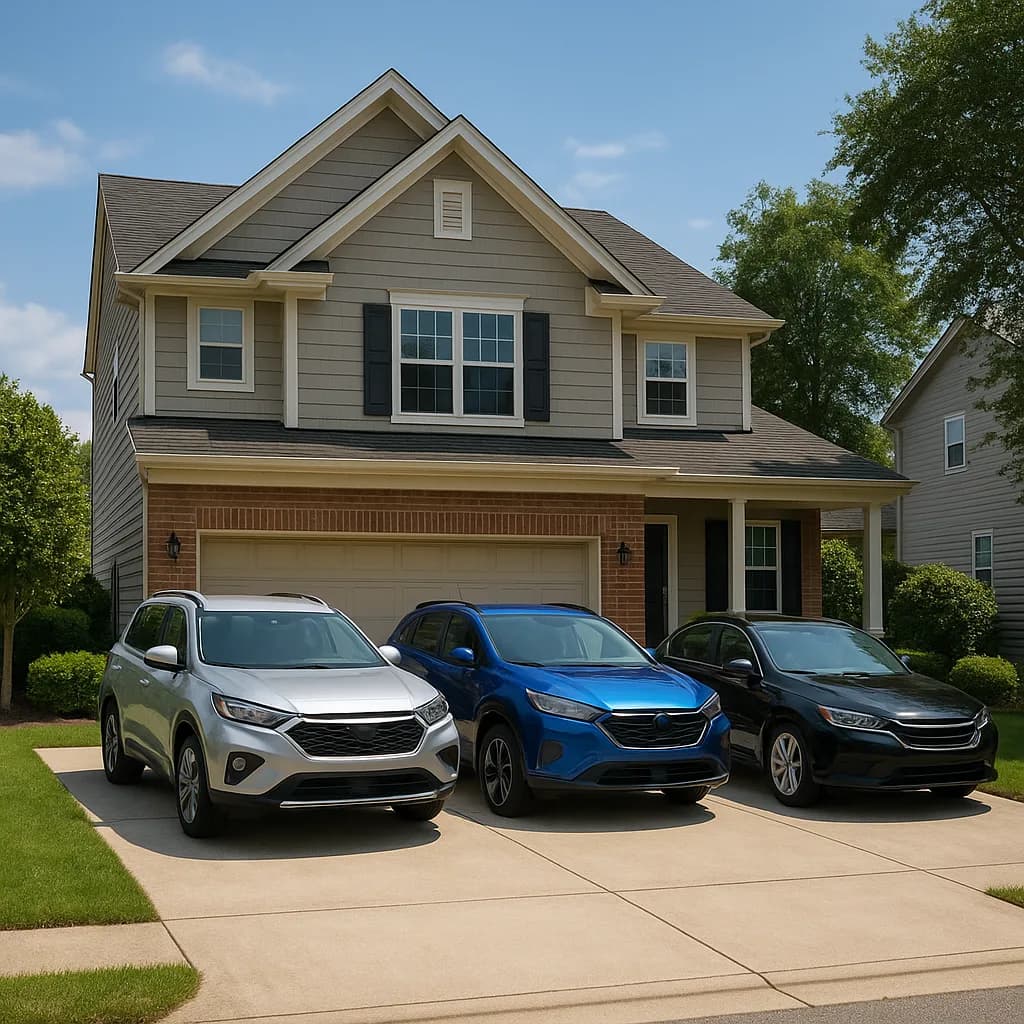
Combining two separate policies into one shared multi-car policy lowers the total premium in most cases, but not all. If both drivers have clean records and similar vehicles, the combined policy almost always costs less than two separate policies. If one driver has a recent violation — a speeding ticket, an at-fault accident, a DUI — the combined policy may cost more than keeping the high-risk driver on a separate non-standard policy.
Carriers in Utah classify drivers by risk tier. A preferred-tier carrier writing a clean-record household may refuse to add a driver with a DUI or suspended license, forcing that driver onto a non-standard carrier. In that case, the household maintains two policies: one preferred-tier policy for the clean-record driver and vehicles, and one non-standard policy for the high-risk driver. The two-policy structure costs more than a single combined policy would if both drivers qualified for the same tier, but less than forcing the entire household onto a non-standard carrier.
When you marry or move in with someone who has their own vehicle and policy, compare the combined-policy premium against the sum of the two separate premiums before canceling either policy. Request quotes from carriers that write both preferred and standard tiers — State Farm, Geico, Progressive, Allstate, and Farmers all write multi-car policies in Utah and can quote a combined household. If the combined quote is higher, ask whether keeping separate policies but listing each other as household members changes the rate. Some carriers apply a household-member surcharge even when the other person is not a listed driver on your policy.
Utah Minimum Liability Limits
Every vehicle registered in Utah must carry at least $30,000 per person for bodily injury, $65,000 per accident, and $25,000 for property damage. These minimums apply to each car on a multi-vehicle policy, but raising the limits across the entire policy costs less than you expect and protects you better in an at-fault accident.
Utah Code Ann. § 31A-22-304
Compare Carriers That Write Multi-Car Policies in Utah
Nineteen carriers write auto insurance in Utah, and not all of them price multi-vehicle households the same way. State Farm, Geico, Progressive, Allstate, and Farmers are the largest writers and all offer multi-car discounts, but their base rates and discount structures differ. A carrier with a higher base rate but a larger multi-car discount may cost more than a carrier with a lower base rate and a smaller discount. The only way to confirm which carrier saves you the most is to request quotes from at least three carriers and compare the total annual premium for all vehicles combined.
When you request quotes, provide accurate information for every driver and vehicle on the policy. The quote is only as accurate as the information you give. List every household member of driving age, even if they will not drive your cars — carriers consider household members when calculating risk. Provide the VIN, annual mileage, and primary use for each vehicle. If you plan to add a vehicle mid-term, ask how the carrier handles mid-term additions and whether the multi-car discount applies immediately or at the next renewal.
Next Step: Compare Multi-Car Rates from Utah Carriers
You now understand how Utah's multi-car discount structure works, when combining policies saves money, and how to assign coverage levels across multiple vehicles without overpaying. The next step is to compare quotes from carriers that write multi-vehicle policies in Utah. Request quotes from at least three carriers, provide accurate driver and vehicle information, and compare the total annual premium for all vehicles combined. The carrier that saves you the most depends on your household's specific profile — the only way to confirm is to compare.