
Multi-Car Insurance Savings — Utah
Free to compare
When Adding a Second Vehicle Doesn't Lower Your Rate
You added a second car to your Utah policy expecting the multi-car discount, but your premium jumped more than you anticipated. The carrier applied the discount, but the combined rate still climbed because adding any vehicle re-rates the entire policy based on the new vehicle's profile, your household's driving records, and the garaging address. The multi-car discount reduces the total, but it does not eliminate the cost of insuring an additional asset.
Utah households own 2,876,800 registered vehicles across 2,252,656 licensed drivers. Most carriers writing Utah auto insurance offer a multi-car discount when you insure two or more vehicles on the same policy, but the discount applies only when every vehicle shares the same garaging address and the same policy number. Vehicles titled to different household members or garaged at separate addresses typically do not qualify, even if both policies are with the same carrier.
“The multi-car discount is not a household discount—it is a same-policy discount that applies only when every vehicle garages at the same address.”

Meet Utah's Requirements Without Overpaying
Get My Utah Car Insurance Quote$30,000 / $65,000 / $25,000
Utah Minimum Liability
Utah requires $30,000 bodily injury per person, $65,000 per accident, and $25,000 property damage. Every vehicle on your policy must carry at least these limits, and adding a vehicle re-rates the policy at the household's current risk profile.
Utah Department of Insurance
The Same-Policy Requirement Blocks Split Households
The multi-car discount is not a household discount. It is a same-policy discount. If you and your spouse each maintain separate policies, even with the same carrier, neither policy qualifies for the multi-car rate reduction. The carrier views each policy as a single-vehicle contract. Combining both vehicles onto one policy triggers the discount, but only if both cars garage at the same address listed on the policy.
Households with vehicles garaged at different addresses face a structural blocker. A car you park at a second home, a vehicle your college-age child uses at school, or a work truck garaged at a job site typically cannot sit on the same policy as your primary household vehicles because the garaging address determines territory rating. Carriers rate each vehicle based on where it is parked overnight, and a policy covering vehicles in different ZIP codes often requires separate contracts.
Roommates sharing a residence who want to combine vehicles onto one policy encounter the same constraint. Most carriers require all named insureds on a multi-car policy to reside at the same address and to have an insurable interest in each vehicle. Two unrelated adults who own their cars outright may not qualify for a shared policy, even if they live together, because neither has an ownership stake in the other's vehicle.
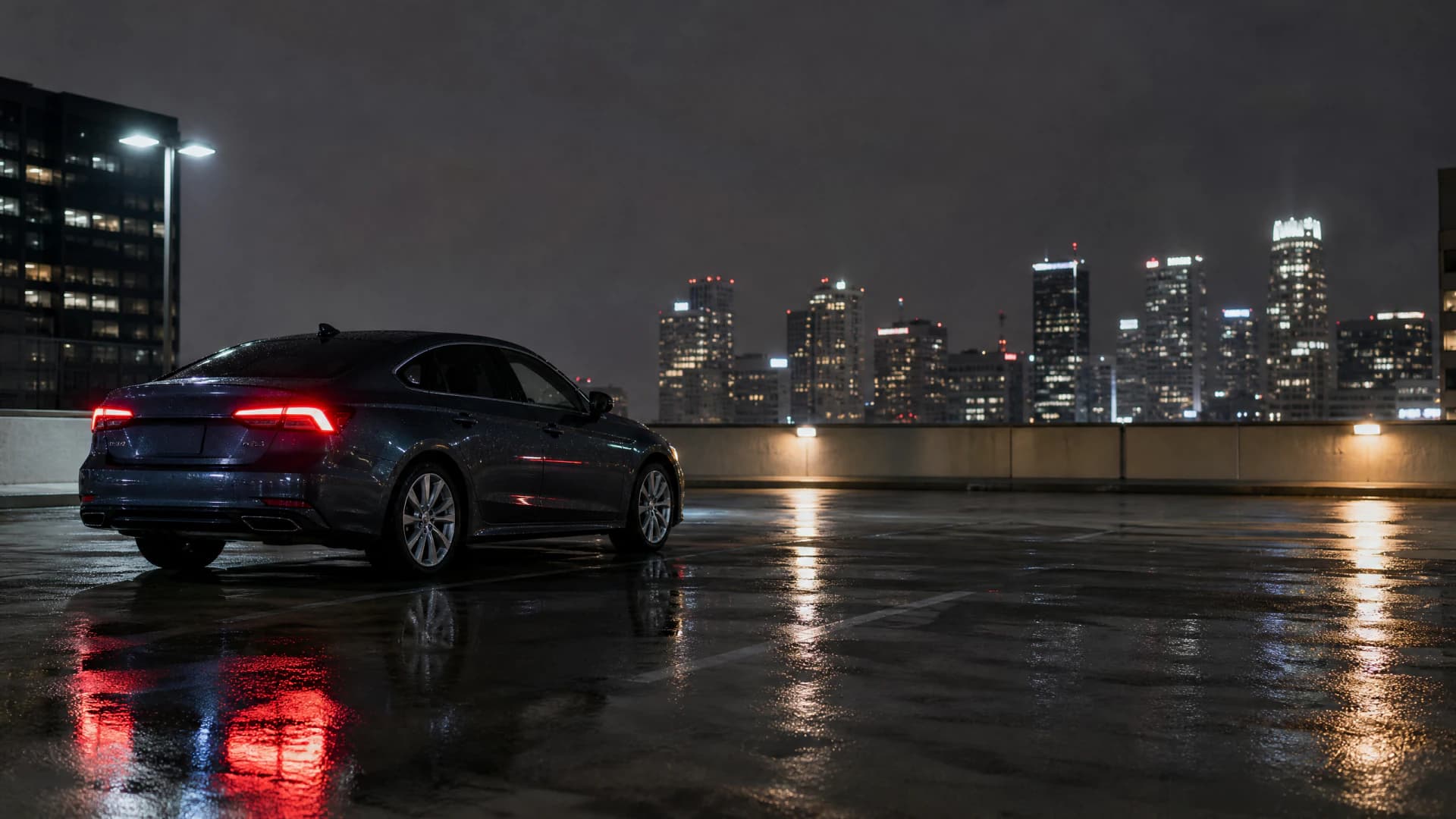
The multi-car discount applies only when every vehicle on the policy garages at the same address. Split-household vehicles require separate policies.


When Separate Policies Cost Less Than One Combined Policy
Combining policies does not always lower the total household premium. A driver with a clean record and a low-risk vehicle may pay more when added to a policy that already includes a high-risk driver or a vehicle with a recent claim. The multi-car discount reduces the combined premium, but it does not eliminate the rating impact of the higher-risk profile. In these cases, maintaining separate policies with different carriers may produce a lower total cost.
Households with a mix of standard and non-standard drivers face this decision frequently. A spouse with a DUI or multiple violations may qualify only for non-standard coverage, while the other spouse qualifies for preferred rates. Combining both drivers onto one policy forces the entire household into the higher-risk tier. Keeping the high-risk driver on a separate non-standard policy and the low-risk driver on a standard policy often costs less overall, even without a multi-car discount.
Utah law does not require household members to share a policy. You may insure each vehicle separately, with different carriers, as long as each policy meets Utah's $30,000 / $65,000 / $25,000 minimum liability requirement. The decision turns on total cost, not on any legal mandate to combine.
6.2%
Utah Uninsured Motorist Rate
6.2% of Utah motorists drive without insurance. Uninsured motorist coverage protects you when an at-fault driver cannot pay, and it applies per vehicle on your policy. Adding vehicles without adding UM coverage leaves gaps.
Insurance Information Institute, 2023
Comparing Carriers That Write Multiple Vehicles
Not every carrier writing Utah auto insurance offers competitive multi-car rates. Geico, Progressive, State Farm, and Allstate write multi-vehicle policies statewide and offer online quoting tools that calculate the combined premium with the discount applied. Farmers, American Family, and Nationwide also write multi-car policies in Utah, but some require an agent to quote. USAA writes multi-car policies for military-affiliated households and consistently offers strong multi-vehicle discounts, but eligibility is restricted to service members, veterans, and their families.
Non-standard carriers including Bristol West, Dairyland, The General, and GAINSCO write multi-car policies for high-risk households in Utah. These carriers accept drivers with recent violations, suspended licenses, or SR-22 filing requirements, and they offer multi-car discounts on non-standard policies. The discount percentage is typically smaller than on standard policies, but the base rate is often lower than splitting high-risk drivers across separate standard-tier policies.
Compare Carriers Writing Your Household's Vehicles
The multi-car discount saves money only when the combined policy costs less than separate policies would. Run quotes both ways: one policy covering all vehicles, and separate policies for each. Include every driver in your household and every vehicle you own, and confirm that each quote meets Utah's $30,000 / $65,000 / $25,000 minimum liability requirement plus any additional coverage you need.
Use the comparison tool on this site to request quotes from carriers writing multi-vehicle policies in Utah. Enter every vehicle, every driver, and your garaging address. The tool routes your request to carriers that write your household's profile and returns quotes with the multi-car discount applied where available. Compare the combined total against separate quotes to confirm which structure costs less for your household.
How Carriers Structure Multi-Vehicle Policies in Utah
A multi-car policy insures two or more vehicles under one policy number, with one renewal date and one combined premium. The carrier applies a percentage discount to the total premium when you add a second vehicle, and the discount typically increases slightly when you add a third or fourth. The discount does not apply retroactively to vehicles already on separate policies unless you combine them into one contract. Geico, Progressive, State Farm, Allstate, and Farmers all write multi-car policies in Utah and offer same-policy discounts, but the discount percentage and eligibility rules vary by carrier.
Adding a vehicle mid-term re-rates the entire policy immediately. The carrier recalculates the premium for every vehicle on the policy based on the new household risk profile, the new vehicle's value and use, and the current rating factors for all drivers. The multi-car discount applies to the recalculated total, but the premium increase from adding the vehicle often exceeds the discount savings. A household adding a high-value or high-risk vehicle may see the total premium climb even with the discount applied.
Get Your Free Quote
Get My Utah Car Insurance QuoteFrequently Asked Questions
Does Utah require all household vehicles to be on the same insurance policy?
No. Utah law does not require household members to share one policy. You may insure each vehicle separately, with different carriers, as long as each policy meets Utah's $30,000 / $65,000 / $25,000 minimum liability requirement. The multi-car discount is a pricing benefit, not a legal mandate.
Can I get a multi-car discount if my spouse and I have separate policies with the same carrier?
No. The multi-car discount applies only when all vehicles sit on the same policy number. Two separate policies with the same carrier do not qualify, even if both policies cover the same household address. You must combine both vehicles onto one policy to trigger the discount.
What happens to my multi-car discount if I remove a vehicle from my policy?
Removing a vehicle from a multi-car policy re-rates the remaining vehicles and may eliminate the multi-car discount if only one vehicle remains. The carrier recalculates the premium based on the new vehicle count and household profile. If you drop to one vehicle, the policy becomes a single-car contract with no multi-car discount applied.
Do all Utah carriers offer the same multi-car discount percentage?
No. Multi-car discount percentages vary by carrier and by household profile. Geico, Progressive, State Farm, and Allstate all offer multi-car discounts in Utah, but the percentage and eligibility rules differ. Compare quotes from multiple carriers to find the lowest combined premium for your household.
Can I insure a vehicle garaged at a different address on my multi-car policy?
Typically no. Most carriers require all vehicles on a multi-car policy to garage at the same address because the garaging location determines territory rating. A vehicle parked overnight at a different ZIP code usually requires a separate policy rated for that location.
Does adding a teen driver to my multi-car policy eliminate the discount?
No. Adding a teen driver re-rates the policy and increases the premium, but it does not eliminate the multi-car discount. The discount applies to the total premium after the carrier recalculates rates based on the new driver's age, experience, and vehicle assignment. The combined premium will rise, but the multi-car discount still reduces the total.