
What Affects Car Insurance Rates — Utah
Free to compare
Why Your Premium Changed When You Added a Second Vehicle
You added a second car to your Utah policy and the premium jumped more than you expected. The new vehicle's cost made sense, but every car on the policy now shows a different rate than it did last month. This isn't an error: Utah carriers re-rate your entire household when you add a vehicle, because the policy now covers a different risk profile.
The multi-car discount applies, but it doesn't simply subtract a flat percentage from each vehicle. Carriers recalculate the base rate for every car based on the total household exposure: how many drivers share how many vehicles, where those vehicles are garaged, and whether the household qualifies for same-policy discounts. Understanding what triggers re-rating helps you structure coverage decisions before adding the next car.
“Adding a vehicle re-rates every car on the policy because the carrier recalculates the household's total risk profile.”
Meet Utah's Requirements Without Overpaying
Get My Utah Car Insurance Quote$1,428.94
Utah Average Annual Auto Expenditure
Utah drivers paid an average of $1,428.94 per insured vehicle in 2023, but households with multiple vehicles on one policy typically pay less per car than the state average due to the multi-car discount and shared-policy efficiencies.
NAIC Auto Insurance Database Report 2023
State Minimum Liability Limits Set the Floor
Utah requires $30,000 bodily injury per person, $65,000 bodily injury per accident, and $25,000 property damage. Every vehicle on your policy must meet these minimums. Utah also mandates personal injury protection coverage, which adds to the base premium for each car.
When you add a vehicle, the carrier applies these minimums to the new car and re-evaluates whether the household's total liability exposure justifies a different rate tier. A household with three vehicles carries more aggregate liability risk than a household with one, even if each vehicle meets the same minimum. Carriers price that difference into the policy.
The discount grows as the policy's total premium increases, which is why households with higher limits sometimes see a smaller net increase when adding a vehicle than households carrying only minimums.
Adding a vehicle re-rates every car on the policy because the carrier recalculates the household's total risk profile, not just the new vehicle's individual risk.



Driver Assignment and Household Composition
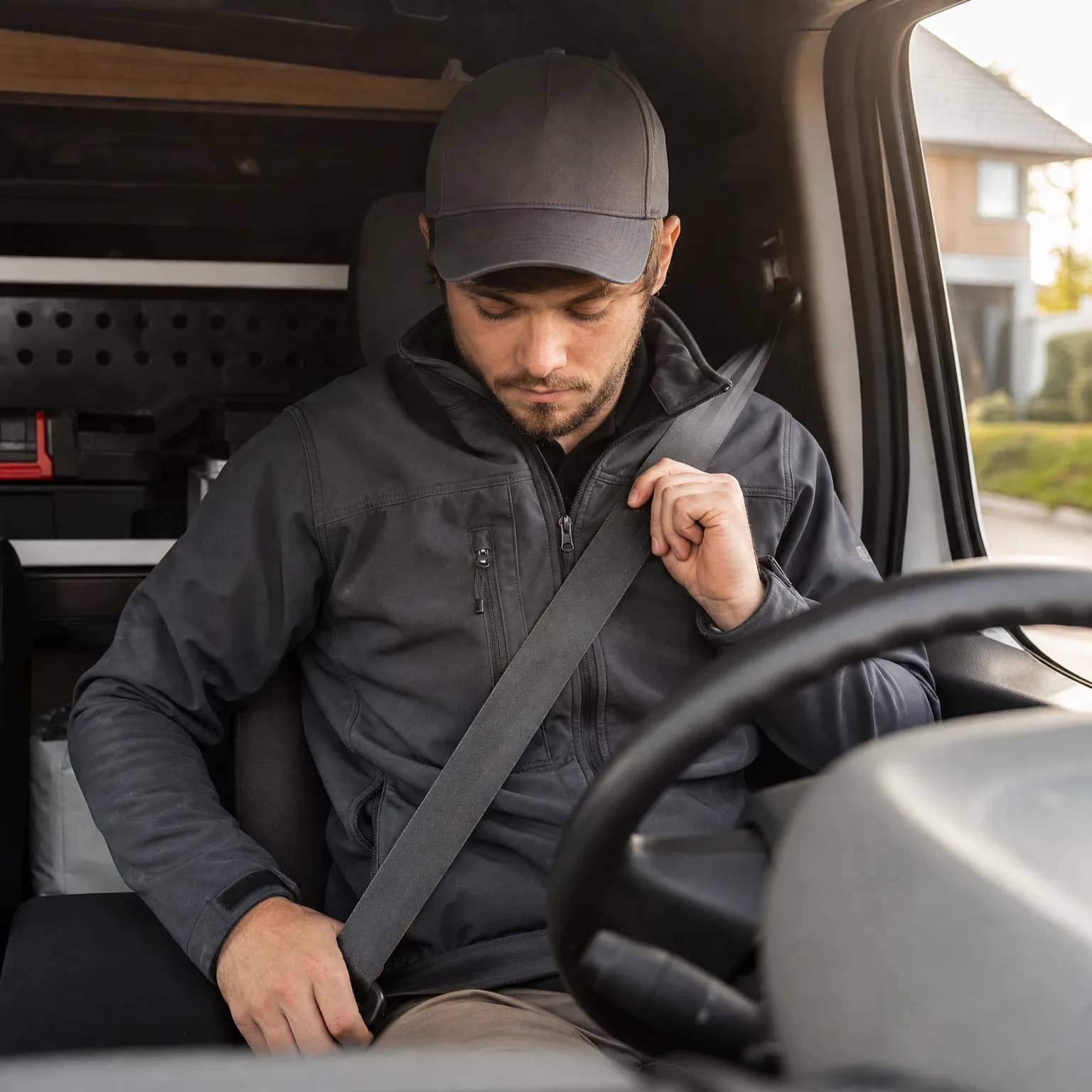
Carriers assign each driver in the household to a primary vehicle, then calculate the policy premium based on each driver-vehicle pairing. When you add a car, the carrier re-evaluates which driver is assigned to which vehicle. A household with two drivers and three vehicles must designate one driver as the primary operator for two of the cars, which affects how the multi-car discount applies.
If the new vehicle is driven primarily by a high-risk driver—a teen, someone with a recent violation, or a driver with a suspended license history—the carrier prices that driver-vehicle pairing at a higher rate and re-rates the other vehicles to reflect the household's overall risk. Conversely, adding a vehicle driven by a lower-risk driver can sometimes lower the per-vehicle rate for the other cars, because the household's average risk profile improves.
Married couples and domestic partners typically qualify for better multi-car rates than unrelated roommates sharing a policy, because carriers view married households as lower risk. When you add a vehicle after marriage or when combining two separate policies into one, the carrier re-rates the entire household based on the new marital status and driver composition. This re-rating often produces a lower total premium than the sum of the two separate policies, but not always: if one spouse has a poor driving record, the combined policy may cost more than keeping the policies separate.
6.2%
Utah Uninsured Motorist Rate
6.2% of Utah motorists were uninsured in 2023. Households with multiple vehicles often carry uninsured motorist coverage above the state minimum to protect the household's total vehicle value, which raises the per-vehicle premium but spreads the cost across the policy.
Insurance Research Council 2023

Coverage Selections and Deductible Structure Across Vehicles
You can structure coverage differently for each vehicle on a multi-car policy. A newer car might carry collision and comprehensive with a $500 deductible, while an older car carries liability only. The carrier prices each vehicle's coverage separately, then applies the multi-car discount to the total policy premium.
Choosing the same deductible for every vehicle simplifies claims but doesn't always produce the lowest premium. A high-value vehicle benefits from a lower deductible; a low-value vehicle often costs less to insure with a higher deductible or no physical-damage coverage at all. When you add a vehicle, review the deductible structure for every car on the policy. Raising the deductible on one vehicle can offset part of the cost of adding another.
Households that bundle auto and home insurance with the same carrier often qualify for a multi-policy discount that stacks with the multi-car discount. This bundling discount applies to the total policy premium, not per vehicle, so adding a vehicle to a bundled policy sometimes triggers a smaller rate increase than adding it to an auto-only policy. Not every carrier writes both auto and home in Utah, so bundling opportunities vary by carrier.
Compare Carriers That Write Multi-Vehicle Policies in Utah
Utah has 20 carriers writing auto insurance, but not all of them offer competitive multi-car discounts or write policies for households with three or more vehicles. Allstate, American Family, Farmers, Geico, Progressive, State Farm, and USAA all write multi-vehicle policies in Utah and offer online quotes. Bristol West, Dairyland, GAINSCO, National General, and The General write non-standard policies for households with high-risk drivers or vehicles, and many of them write multi-car policies as well.
The multi-car discount structure varies by carrier. Some carriers apply a percentage discount to each vehicle; others reduce the base rate for the entire policy. A smaller discount on a lower base rate can produce a lower total premium than a larger discount on a higher base rate. The only way to know which carrier offers the best multi-car rate for your household is to compare quotes from at least three carriers, using the same coverage limits and deductibles for each quote. Enter your household's vehicle count, driver assignments, and garaging addresses accurately: misrepresenting these details invalidates the quote and can lead to claim denials later.

Structure Your Multi-Vehicle Coverage Now
You now understand what drives your Utah multi-car premium: state minimum liability limits, garaging address, driver assignment, coverage selections, and the carrier's discount structure. Adding a vehicle re-rates your entire policy, not just the new car. Compare carriers that write multi-vehicle policies in Utah, using the same coverage structure for every quote. Request quotes that reflect your actual household composition, vehicle use, and garaging addresses. The carrier that offered the best rate for one vehicle may not offer the best rate for three.
How Garaging Address and Vehicle Use Affect Multi-Car Rates
Utah carriers verify the garaging address for each vehicle on the policy. If you add a car that a household member garages at a different address—a college student's apartment, for example—the carrier may deny the multi-car discount for that vehicle or require a separate policy. The garaging ZIP code determines the vehicle's territory rating factor, which reflects theft rates, accident frequency, and repair costs in that area. A vehicle garaged in Salt Lake City carries a different territory factor than one garaged in St. George, even when both are on the same policy.
Vehicle use matters as much as location. A car driven daily for a long commute costs more to insure than one driven occasionally for errands, because exposure correlates with mileage. When you add a vehicle, the carrier asks how each car in the household is used: commute, pleasure, business. If the new vehicle changes the household's total annual mileage significantly, the carrier re-rates the policy to reflect the increased exposure. Households that accurately report low mileage for rarely-driven vehicles often qualify for usage-based or low-mileage discounts that offset part of the multi-car premium increase.
Get Your Free Quote
Get My Utah Car Insurance QuoteFrequently Asked Questions
Does adding a second car to my Utah policy always lower the per-vehicle rate?
Not always. The multi-car discount applies to the total policy premium, but adding a vehicle also increases the household's aggregate liability exposure. If the new vehicle is high-value, driven by a high-risk driver, or garaged in a high-cost territory, the per-vehicle rate may stay the same or increase even with the discount applied.
Can I insure two vehicles on one policy if they are garaged at different addresses in Utah?
Some carriers allow it, but many require all vehicles on a multi-car policy to share the same garaging address to qualify for the multi-car discount. If a household member garages a vehicle at a different address, the carrier may require a separate policy for that vehicle or deny the discount.
How does Utah's personal injury protection requirement affect multi-car premiums?
Utah mandates personal injury protection coverage for every vehicle on the policy. PIP adds to the base premium for each car, so a household with three vehicles pays PIP premiums for all three. The multi-car discount applies to the total policy premium after PIP is added, which reduces the net cost but does not eliminate the per-vehicle PIP charge.
Do I need the same coverage limits on every vehicle in a multi-car policy?
No. You can structure coverage differently for each vehicle. A newer car might carry collision and comprehensive; an older car might carry liability only. The carrier prices each vehicle's coverage separately, then applies the multi-car discount to the total policy premium.
Will my Utah multi-car rate change if I add a teen driver to the policy?
Yes. Adding a teen driver re-rates the entire policy because the household's risk profile changes. The carrier assigns the teen as the primary driver for one vehicle and prices that vehicle at a higher rate. The other vehicles on the policy may also see rate increases to reflect the household's increased overall risk.
Can roommates share a multi-car policy in Utah?
Yes, but carriers typically offer better multi-car rates to married couples or family members living in the same household. Unrelated roommates can share a policy if all vehicles are garaged at the same address, but the multi-car discount may be smaller than it would be for a married household with the same number of vehicles.
How do I know which Utah carrier offers the best multi-car discount?
Compare quotes from at least three carriers that write multi-vehicle policies in Utah, using the same coverage limits and deductibles for each quote. The discount structure varies by carrier: some apply a percentage to each vehicle, others reduce the base rate for the entire policy. The lowest total premium is what matters, not the discount percentage.