
Ticket Rate Impact — Utah
Free to compare
One Ticket Re-Rates the Entire Policy
You received a traffic ticket in Utah and your household insures two or more vehicles on one policy. The carrier will re-rate every vehicle when your violation posts to the Motor Vehicle Record, not just the car you were driving. Multi-car policies pool household risk: one driver's ticket changes the premium calculation for every vehicle and every driver listed on the policy, because carriers assess the combined exposure of everyone with access to the cars.
The increase depends on violation severity, how many drivers share the policy, and whether other household members already carry violations. A speeding ticket on a policy with three clean drivers produces a smaller percentage increase than the same ticket added to a policy where another driver already has a recent violation. The structural reality: carriers do not isolate one driver's surcharge to one vehicle when multiple cars sit on the same policy.
“One driver's ticket re-rates every vehicle on a multi-car policy because carriers assess combined household risk.”

Meet Utah's Requirements Without Overpaying
Get My Utah Car Insurance Quote6.2%
Utah Uninsured Motorist Rate
Utah's uninsured motorist rate sits below the national average, but a ticket that triggers a lapse or cancellation removes you from the standard market and pushes you toward carriers that write higher-risk drivers. Maintaining continuous coverage after a violation keeps more carrier options open.
Insurance Information Institute, 2023
Which Violations Trigger the Largest Increases
Utah carriers classify violations into tiers. Major violations—DUI, reckless driving, driving on a suspended license—produce the steepest increases and often move the entire household into a higher-risk tier. Minor violations—speeding 1-10 mph over the limit, failure to signal—produce smaller increases but still re-rate the policy. At-fault accidents with property damage or injury trigger surcharges similar to major violations.
The violation stays on your Motor Vehicle Record for three years from the conviction date. Carriers apply the surcharge for the full three-year period, though some reduce the surcharge percentage after the first year if no additional violations occur. A second violation during the three-year window compounds the surcharge and can push the policy into non-standard territory, where fewer carriers compete and premiums rise further.
Utah uses a point system administered by the Driver License Division. Accumulating 200 points in three years triggers a suspension. Points do not directly set insurance premiums, but carriers access the same Motor Vehicle Record the state uses to assign points, so the violations that add points also trigger premium increases. The carrier's surcharge and the state's point total are parallel consequences of the same violation.
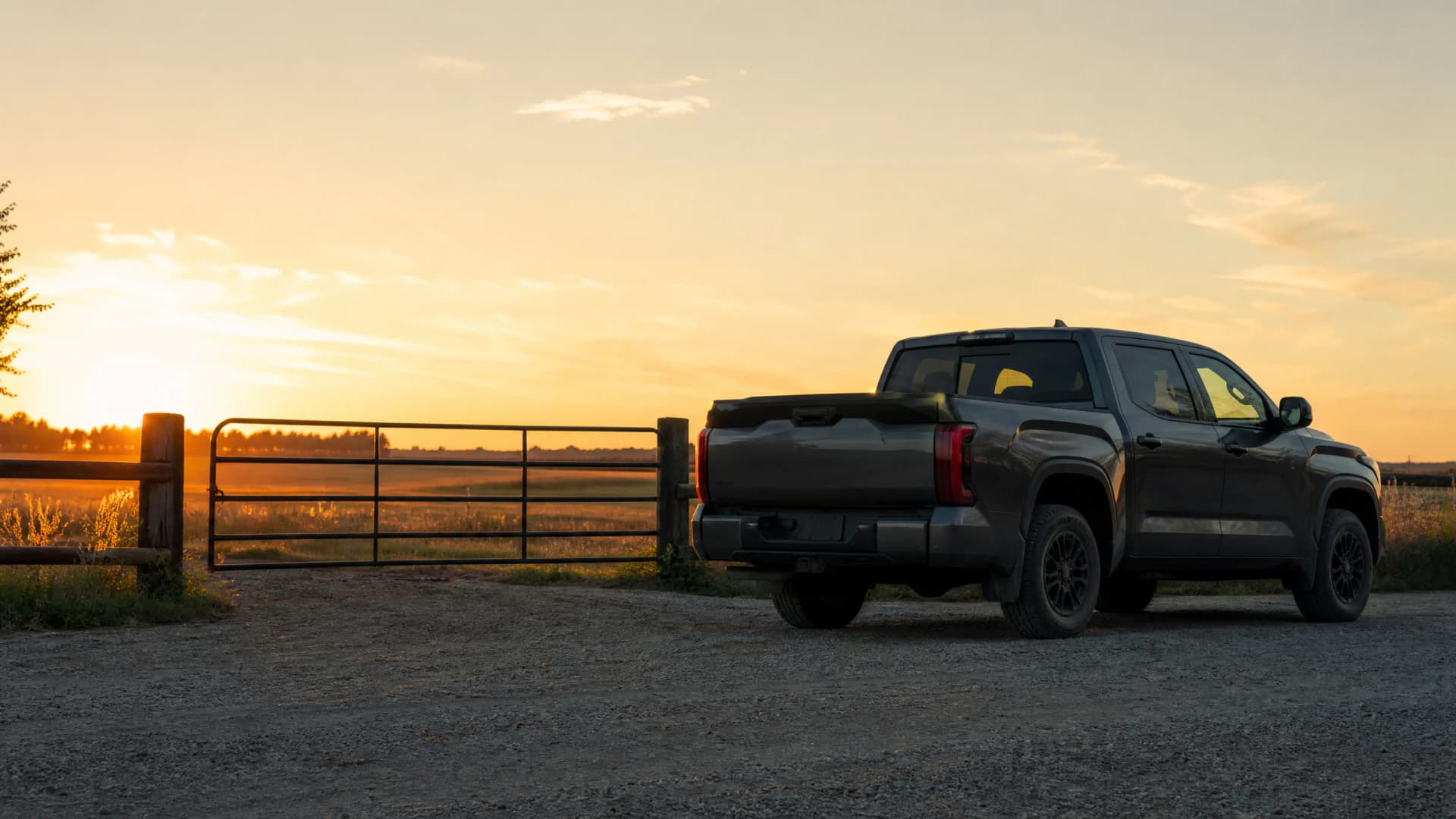
One driver's ticket re-rates every vehicle on a multi-car policy because carriers assess combined household risk, not individual driver risk in isolation.



State-Specific Rules That Shape the Increase
Utah requires minimum liability coverage of $30,000 per person, $65,000 per accident for bodily injury, and $25,000 for property damage. The state also mandates personal injury protection. After a violation, carriers may require higher liability limits as a condition of renewal, particularly if the violation involved an at-fault accident or a DUI. Higher limits increase the base premium before the surcharge applies, compounding the total increase.
Utah is a no-fault state for personal injury protection claims but uses a traditional tort system for liability claims. An at-fault accident triggers both a PIP claim and a liability claim if the other party's damages exceed the PIP threshold. Carriers treat at-fault accidents as major violations for surcharge purposes, and the surcharge applies for three years even if the claim settles quickly.
Drivers convicted of DUI, reckless driving, or driving without insurance face a three-year SR-22 filing requirement. The SR-22 itself does not increase the premium, but it signals to carriers that the driver is high-risk, and most standard carriers either non-renew the policy or move it to a non-standard subsidiary. Non-standard carriers write fewer multi-car policies, so households with multiple vehicles may need to split coverage across two policies after a major violation, losing the multi-car discount entirely.
$1,428.94
Utah Average Annual Auto Expenditure
Utah's average annual auto insurance expenditure per insured vehicle was $1,428.94 in 2023. A major violation can push a household's total expenditure significantly higher, particularly if the policy moves from a standard carrier to a non-standard carrier after the violation posts.
NAIC Auto Insurance Database Report, 2023
Comparing Carriers After a Violation Posts
Not every carrier surcharges the same violation identically. Some carriers apply a flat percentage increase to the entire policy premium; others apply a tiered surcharge based on violation severity and the driver's prior record. A household with multiple vehicles should compare carriers after a violation posts, because the carrier that offered the lowest premium before the violation may not offer the lowest premium after re-rating.
Standard carriers writing in Utah include State Farm, Geico, Progressive, Allstate, Farmers, and USAA. Non-standard carriers include Bristol West, Dairyland, The General, and GAINSCO. After a major violation, standard carriers often non-renew the policy at the next renewal date, forcing the household into the non-standard market. Non-standard carriers write multi-car policies less frequently, so households may need to split vehicles across two policies or accept higher per-vehicle premiums to keep all cars on one policy.
Compare Carriers That Write Multi-Car Policies in Utah
A ticket re-rates your entire multi-car policy, not just the vehicle you were driving when the violation occurred. The increase depends on violation type, how many drivers and vehicles share the policy, and whether your household already carries other violations. Compare carriers after the violation posts to your Motor Vehicle Record: the carrier that offered the lowest premium before the violation may not offer the lowest rate after re-rating, and switching carriers can offset part of the surcharge. Use the site's comparison tool to see which carriers write multi-car policies for households with violations in Utah and request quotes from at least three carriers that specialize in your household's risk profile.
How Carriers Calculate the Multi-Car Surcharge
The carrier assigns each driver in the household to a primary vehicle. When one driver receives a ticket, the carrier recalculates that driver's risk tier, then applies the new tier to the vehicle assigned to that driver. The premium for that vehicle rises. Because the household's combined risk profile has changed, the carrier also adjusts the multi-car discount percentage applied to the entire policy. A higher-risk household qualifies for a smaller discount, so the premium for every vehicle rises even if only one driver's tier changed.
The size of the increase depends on how many drivers share the policy and how many vehicles are insured. A household with three drivers and three cars sees a smaller per-vehicle increase than a household with two drivers and two cars receiving the same violation, because the surcharge is distributed across more vehicles. The multi-car discount cushions the impact slightly, but it does not eliminate the re-rating of every vehicle when one driver's record changes.
Get Your Free Quote
Get My Utah Car Insurance QuoteFrequently Asked Questions
Does a speeding ticket in Utah increase insurance for all cars on my policy?
Yes. Utah carriers re-rate every vehicle on a multi-car policy when one driver receives a ticket, because the policy pools household risk. The carrier recalculates the violating driver's risk tier and adjusts the multi-car discount applied to the entire policy, raising the premium for every vehicle.
How long does a traffic ticket affect my Utah car insurance rates?
Utah carriers apply a surcharge for three years from the conviction date. The violation remains on your Motor Vehicle Record for three years, and most carriers maintain the surcharge for the full period, though some reduce it after the first year if no additional violations occur.
Will my multi-car discount disappear after a ticket in Utah?
The multi-car discount typically remains in place, but the percentage decreases because the household's combined risk profile has risen. A higher-risk household qualifies for a smaller discount, so the premium for every vehicle increases even though the discount still applies.
Can I remove a driver from my Utah multi-car policy to avoid the surcharge?
You can exclude a driver only if that driver has another policy covering them or does not live in the household. Utah carriers require all household members with licenses to be listed on the policy or formally excluded. Removing a driver without meeting those conditions violates the policy terms and can result in claim denial.
Do all Utah carriers surcharge the same violation the same amount?
No. Carriers apply different surcharge percentages based on their own risk models. A household with multiple vehicles should compare carriers after a violation posts, because the carrier with the lowest premium before the violation may not offer the lowest rate after re-rating.
What happens to my multi-car policy if I get a DUI in Utah?
A DUI triggers a three-year SR-22 filing requirement and moves most households into the non-standard market. Standard carriers typically non-renew the policy at the next renewal date. Non-standard carriers write fewer multi-car policies, so you may need to split vehicles across two policies or accept higher premiums to keep all cars on one policy.