
Car Insurance Rate Increases After Accidents — Utah
Free to compare
You Filed a Claim and Your Renewal Is Coming
You were in an accident in Utah, filed a claim, and now your policy renewal date is approaching. You need to know how much your premium will increase and whether you should stay with your current carrier or switch before the surcharge hits. The uncertainty is worse than the collision itself because you are managing multiple vehicles on one household policy and cannot afford to guess wrong.
Utah is an at-fault state, which means the driver who caused the accident pays for the damage through their liability coverage. When you are found at-fault, your carrier assigns a surcharge that raises your premium at renewal and stays on your record for three years. The size of the increase depends on your carrier, your driving history before the accident, how many vehicles you insure, and whether you stay or switch. This article walks you through the mechanics, the timing, and the decision you face right now.
“A multi-car policy absorbs the surcharge better than splitting vehicles across separate policies because the discount cushions the base-rate increase.”

Meet Utah's Requirements Without Overpaying
Get My Utah Car Insurance Quote3 years
Utah At-Fault Surcharge Period
An at-fault accident stays on your Utah driving record and affects your premium for three years from the date of the accident. The surcharge applies at every renewal during that window, not just the first one.
Utah Driver License Division
The Surcharge Hits at Renewal, Not Immediately
Your premium does not increase the day you file the claim. The surcharge applies when your policy renews, which could be weeks or months after the accident depending on where you are in your policy term. If you are two months into a six-month term, you have four months before the increase takes effect. That window is your decision period.
The carrier re-rates your entire policy at renewal. If you insure multiple vehicles, the surcharge affects the household premium, not just the vehicle involved in the accident. The multi-car discount you currently receive stays in place, but the base rate for every vehicle on the policy increases because the household now includes an at-fault driver. A household with three cars on one policy will see a smaller per-vehicle increase than a household with one car because the discount spreads the surcharge across more vehicles.
Some drivers assume switching carriers before renewal avoids the surcharge. It does not. The accident is on your Utah driving record, and every carrier pulls that record when you request a quote. The new carrier sees the at-fault accident and prices it into your quote just as your current carrier would at renewal. Switching does not erase the surcharge; it only changes which carrier applies it.
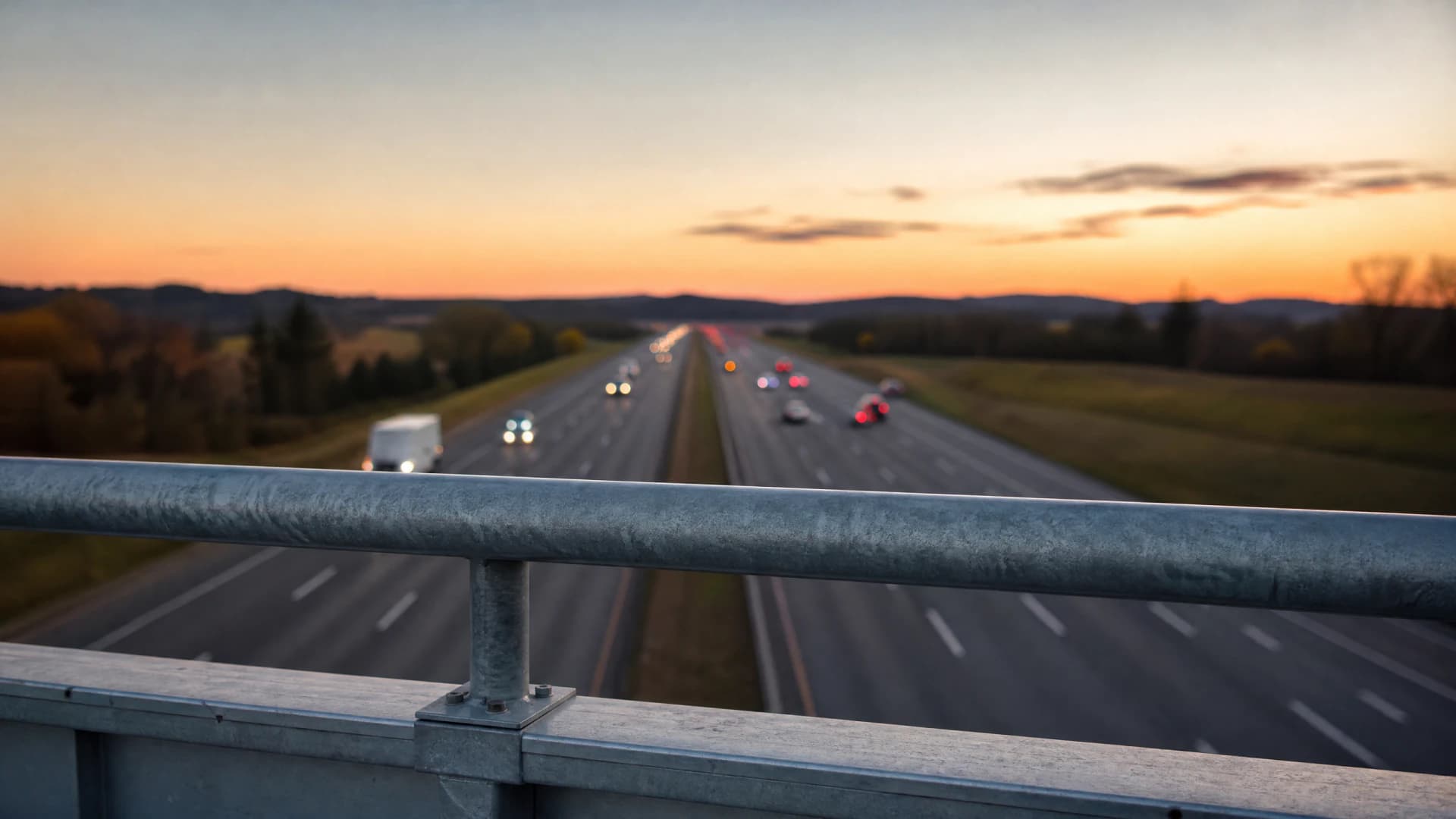
The at-fault accident is on your driving record before your renewal date. Switching carriers does not avoid the surcharge — every carrier sees it and prices it in.

Switching Carriers After an Accident
Switching carriers after an at-fault accident makes sense only if another carrier offers a lower surcharged rate for your household. Some carriers penalize at-fault accidents more heavily than others, and some offer accident-forgiveness programs that waive the first at-fault surcharge for drivers with a clean record before the collision. If your current carrier does not offer accident forgiveness and another carrier does, switching can save you money over the three-year surcharge window.
Request quotes from at least three carriers that write multi-car policies in Utah and disclose the accident when you request the quote. The carrier will pull your driving record and price the surcharge into the quote. Compare the surcharged quote from each carrier to your current carrier's renewal premium. If a new carrier's quote is lower, switching makes sense. If your current carrier's renewal premium is competitive, staying avoids the hassle of moving multiple vehicles to a new policy mid-term.
Do not wait until after your renewal date to request quotes. Once your current policy renews at the surcharged rate, you are locked into that premium for the next term. Request quotes 30 to 45 days before your renewal date so you have time to compare offers and switch if another carrier beats your renewal premium. Missing that window costs you six months of overpayment if you are on a six-month term.
2,252,656
Utah Licensed Drivers
Utah has over 2.2 million licensed drivers, and carriers price at-fault accidents based on statewide loss data. A carrier with a large Utah book of business may offer a lower surcharge than a carrier with limited state presence because it has more data to price risk accurately.
Utah Driver License Division, 2022
The Three-Year Window and Your Next Steps
The surcharge stays on your record for three years from the accident date, not the renewal date. If the accident happened in January 2025, the surcharge applies at every renewal until January 2028. After three years, the accident falls off your record and your premium drops back to your pre-accident rate, assuming no other violations or claims during that period.
During the three-year window, avoid filing claims for minor damage. A second at-fault accident or a comprehensive claim during the surcharge period compounds the rate increase and can push you into the non-standard market where premiums are significantly higher. Pay out of pocket for small repairs if the claim amount is close to your deductible. The long-term premium savings from avoiding a second claim outweigh the short-term repair cost.
Compare Carriers Before Your Renewal Date
You have a 30- to 45-day window before your renewal date to compare surcharged quotes and decide whether to stay or switch. Use that window. Request quotes from carriers that write multi-car policies in Utah — see the full Utah carrier roster — and disclose the accident when you request the quote. Compare the surcharged quotes to your current carrier's renewal premium. If another carrier offers a lower rate, switch before your renewal date. If your current carrier's renewal premium is competitive, stay and avoid the administrative cost of moving multiple vehicles mid-term. The decision is purely financial: which carrier gives you the lowest surcharged rate for your household over the next three years.
How Multi-Car Policies Absorb the Rate Increase
When a carrier re-rates a multi-car policy after an at-fault accident, it raises the base rate for the household, then applies the multi-car discount to the new total. The discount percentage stays the same, but it now applies to a higher base. A household with three vehicles on one policy pays more after the accident, but the per-vehicle increase is smaller than it would be for a single-vehicle policy because the multi-car discount reduces the surcharged base rate before splitting it across the vehicles.
This is why households with multiple cars should not split their policies after an accident. If you move one vehicle to a separate policy to isolate the surcharge, you lose the multi-car discount on both policies. The combined premium across two single-vehicle policies will almost always exceed the surcharged premium on one multi-car policy. The discount is a structural advantage that matters most when your base rate is high.
Get Your Free Quote
Get My Utah Car Insurance QuoteFrequently Asked Questions
Does my car insurance go up immediately after an accident in Utah?
No. The surcharge applies at your next policy renewal, not immediately after the accident. If you are three months into a six-month term, you have three months before the increase takes effect.
How long does an at-fault accident affect my Utah car insurance rate?
An at-fault accident stays on your Utah driving record for three years from the accident date. The surcharge applies at every renewal during that three-year window.
Will switching carriers after an accident avoid the rate increase?
No. The accident is on your Utah driving record, and every carrier pulls that record when you request a quote. Switching does not erase the surcharge; it only changes which carrier applies it.
Should I keep multiple cars on one policy after an at-fault accident?
Yes. A multi-car policy cushions the surcharge better than splitting vehicles across separate policies because the multi-car discount reduces the surcharged base rate before splitting it across vehicles.
When should I request quotes after an at-fault accident in Utah?
Request quotes 30 to 45 days before your renewal date. This gives you time to compare surcharged offers from multiple carriers and switch if another carrier beats your renewal premium.
Does Utah require SR-22 filing after an at-fault accident?
Not for a standard at-fault accident. Utah requires SR-22 filing for DUI convictions, driving without insurance, or license reinstatement after a financial-responsibility suspension. A routine at-fault collision does not trigger SR-22.
Can I remove a vehicle from my policy to lower my premium after an accident?
You can, but it usually costs more. Splitting a multi-car policy into separate single-vehicle policies eliminates the multi-car discount, and the combined premium across two policies almost always exceeds the surcharged premium on one multi-car policy.