Utah Requires PIP But Operates Under Tort
Utah mandates personal injury protection on every auto policy, which leads many drivers to assume the state operates under a no-fault system. It does not. Utah is a traditional tort state where the at-fault driver's liability coverage pays for the other party's vehicle damage and injuries above PIP thresholds. PIP covers your own medical expenses and lost wages regardless of fault, but property damage and liability claims follow fault rules.
This distinction matters when you insure multiple vehicles on one policy. Each vehicle on your policy carries the same PIP limit you select, and each driver in your household is covered by that PIP when they drive any vehicle on the policy. But if one of your household's vehicles is involved in an at-fault collision, the liability portion of your policy pays for the other party's damages, and your collision coverage pays for your own vehicle — PIP does not cover vehicle repair.
Compare car insurance rates in your state
Get quotes from licensed carriers — no obligation, no spam, results in minutes.
Get Your Free QuoteUtah Minimum PIP Limit
This minimum applies to every vehicle on a multi-car policy, and higher PIP limits are available.
Utah Insurance Code
What PIP Actually Covers on a Multi-Vehicle Policy
PIP pays for medical expenses, rehabilitation costs, lost income, and funeral expenses for you and your passengers after a collision, regardless of who caused it. The coverage applies per person injured, not per vehicle. When you add a second or third vehicle to your policy, each vehicle carries the same PIP limit, but the limit applies to each injured person in any vehicle on the policy.
If two household members are injured in separate collisions on the same day, each person's injuries are covered up to the PIP limit you selected. The limit does not divide across vehicles or incidents. PIP also covers household members injured as pedestrians or while riding in someone else's vehicle, as long as they are listed on your policy.
PIP does not pay for vehicle damage. Collision coverage pays for your own vehicle repair after an at-fault accident, and the at-fault driver's property damage liability pays for the other party's vehicle. This is where Utah's tort system takes over — fault determines who pays for property damage, even though PIP covers medical expenses without a fault determination.
PIP covers medical expenses regardless of fault, but vehicle damage claims in Utah follow traditional fault rules — the at-fault driver's liability coverage pays.
How Fault Determines Property Damage Claims
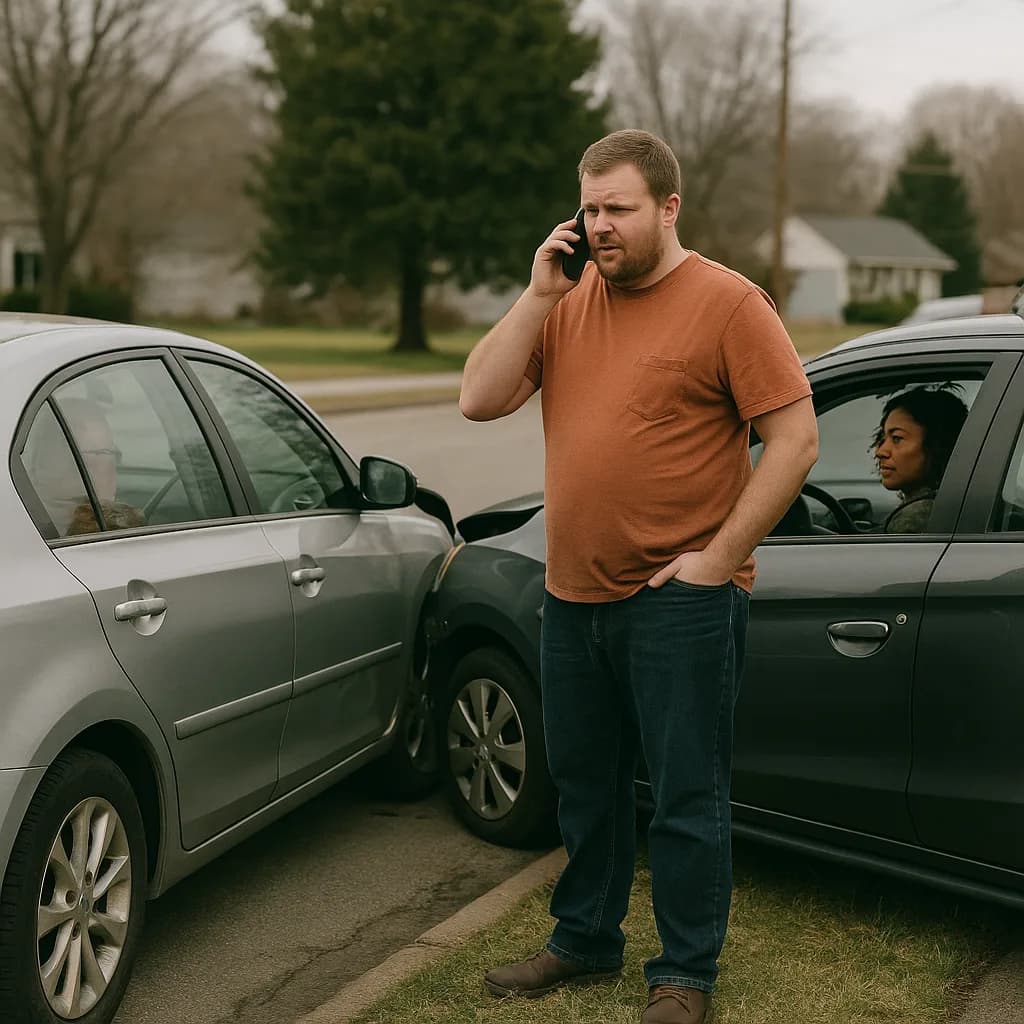
Utah's minimum liability limits are $30,000 per person for bodily injury, $65,000 per accident for bodily injury, and $25,000 per accident for property damage. These limits apply per accident, not per vehicle on your policy. If one of your household's vehicles causes a collision, your liability coverage pays for the other party's vehicle repair and medical expenses above what their PIP covers. Your own vehicle damage is covered by your collision coverage if you carry it.
When you insure multiple vehicles on one policy, the liability limits apply to any vehicle on the policy. You do not select separate liability limits for each vehicle. If your household owns three cars and one causes an at-fault collision, the policy's liability coverage responds. This is why households with multiple vehicles often carry higher liability limits than the state minimum — a single at-fault accident involving one of your vehicles can exhaust the minimum limits quickly.
Related Articles




Structuring PIP and Collision Across Multiple Vehicles
Every vehicle on your policy must carry PIP, but you select the PIP limit once for the entire policy. Higher PIP limits cost more but provide better protection for all drivers and passengers in your household. Collision coverage is optional and priced per vehicle. Older vehicles with low market value often drop collision to reduce premium, but PIP remains mandatory.
When you add a vehicle to an existing policy, the new vehicle is covered by the same PIP limit as your other vehicles. The carrier re-rates the policy to reflect the additional vehicle's collision and comprehensive exposure, but PIP pricing is based on the number of drivers and the limit you select, not the number of vehicles. A household with three vehicles and two drivers typically pays less for PIP than a household with two vehicles and four drivers.
If one vehicle on your policy is driven primarily by a higher-risk driver — a teenager or someone with a recent violation — that vehicle's collision premium will be higher, but the PIP limit applies equally to all drivers. Some carriers allow you to exclude a specific driver from coverage on a specific vehicle to reduce premium, but excluded drivers are not covered by PIP when driving that vehicle.
Utah Uninsured Motorist Rate
6.2%
Approximately 6.2% of Utah drivers are uninsured. Uninsured motorist coverage is optional in Utah but recommended for households with multiple vehicles, as it pays for your vehicle damage and injuries when an at-fault driver has no insurance.
Insurance Research Council, 2023
When PIP Coordinates with Health Insurance
Utah allows PIP to coordinate with your health insurance, which can reduce your PIP premium. When PIP is primary, it pays medical expenses first, and your health insurance covers remaining costs. When health insurance is primary, your health plan pays first, and PIP covers deductibles, copays, and expenses your health plan does not cover. Most carriers offer both options, and the premium difference can be significant for households with comprehensive health coverage.
If multiple household members are covered by different health plans, PIP coordination applies per person. A household with employer-sponsored health insurance for one driver and a high-deductible plan for another can structure PIP to coordinate with each plan separately. This flexibility matters when you insure multiple vehicles and drivers with varying health coverage.
Compare Carriers That Write Multi-Vehicle Policies in Utah
Carriers price PIP, collision, and liability differently for multi-vehicle households. Some offer multi-car discounts that apply when you insure two or more vehicles on one policy, and others price each vehicle separately with no discount. The difference in total premium can be substantial when you add a second or third vehicle. Compare quotes from carriers that write in Utah and confirm each quote includes the state-required PIP minimum on every vehicle. Use the comparison tool to see which carriers offer the best structure for your household's vehicles and drivers.