
Utah PIP Applies Per Vehicle, Not Per Household
The structural reality: PIP is a per-vehicle coverage.
This matters because households managing multiple vehicles often assume one PIP policy covers every car and every driver. It does not. Each vehicle on your policy has a separate PIP limit, and the order in which those limits apply depends on whether the injured person was driving, riding as a passenger, or struck as a pedestrian.
Compare car insurance rates in your state
Get quotes from licensed carriers — no obligation, no spam, results in minutes.
Get Your Free QuoteUtah Minimum PIP Per Vehicle
Utah state minimum liability requirements
What PIP Pays and What It Does Not
Personal Injury Protection in Utah covers medical expenses, lost wages, funeral costs, and survivor benefits for you and your passengers after an accident, regardless of who caused it. The coverage applies immediately — you do not wait for fault determination or the other driver's liability policy to respond. PIP pays your hospital bills, rehabilitation costs, and a portion of lost income up to the policy limit.
PIP does not cover vehicle damage. It does not pay for the other driver's injuries. It does not replace liability coverage. When you cause an accident that injures someone else, your liability policy pays their medical bills — your PIP pays yours. The two coverages serve different roles, and Utah requires both.
These benefits apply per person injured, subject to the per-vehicle policy limit.
Which Vehicle's PIP Pays First
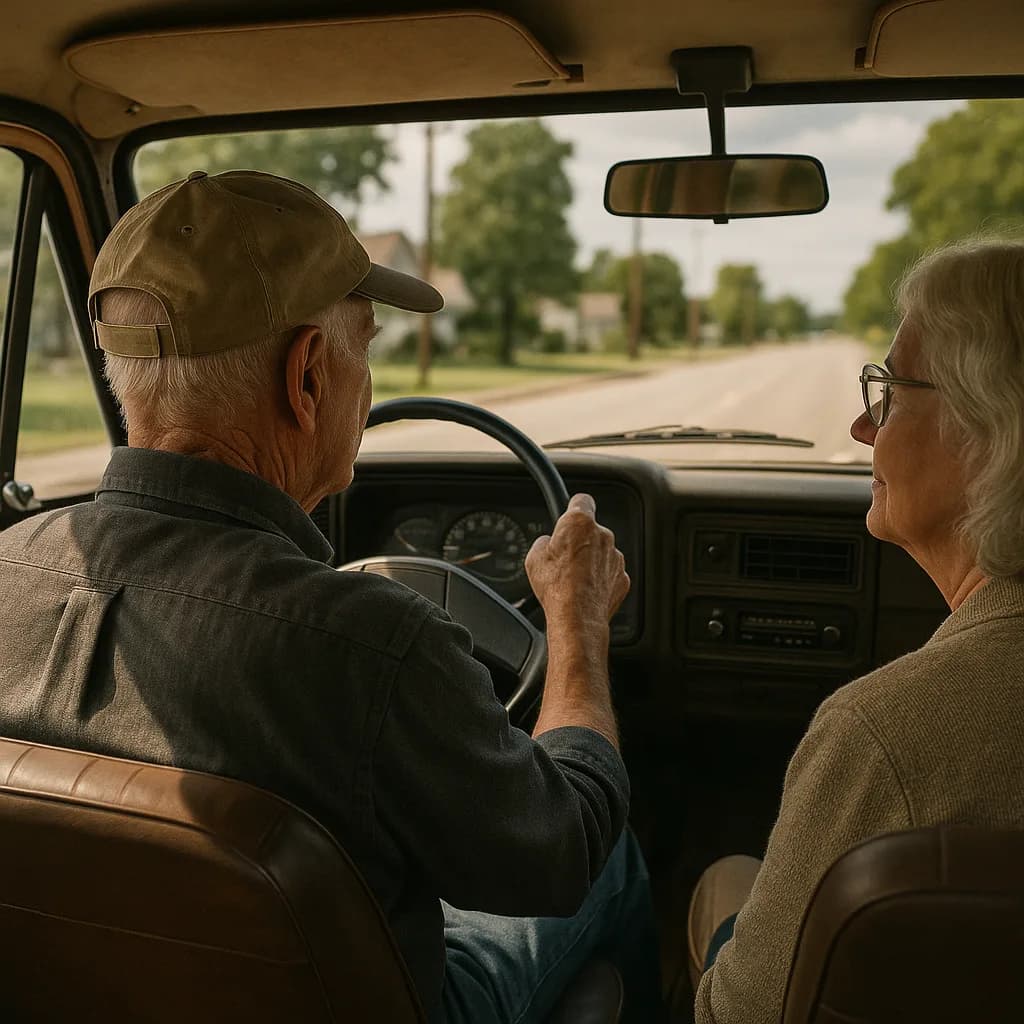
If you are driving your own insured vehicle, that vehicle's PIP pays first. If you are a passenger in someone else's vehicle, the vehicle you are riding in pays first, and your own vehicle's PIP becomes secondary. If you are struck as a pedestrian, the vehicle that hit you pays first, and your own household vehicle's PIP becomes secondary. These rules prevent double recovery and ensure the vehicle most directly involved in the accident bears the primary obligation.
For households with three or four vehicles on one policy, this structure means each car's PIP operates independently. Your commuter sedan carries its own. Your spouse's SUV carries its own. When your teenager is injured while driving their own car, their vehicle's PIP pays. When they are injured as a passenger in your sedan, your sedan's PIP pays first. The coordination rules follow the vehicle, not the driver.
Related Articles



Higher PIP Limits and Multi-Vehicle Strategy
Many carriers offer these increases at modest cost, and households managing multiple vehicles often structure PIP strategically: higher limits on the vehicles driven most frequently or by higher-risk drivers, and minimum limits on rarely-driven or older vehicles.
This approach balances cost and protection. The coordination rules still apply — each vehicle's limit is independent — but the household has concentrated coverage where injury risk is highest.
One failure mode: assuming that because you carry high liability limits, your PIP can stay at the minimum. Liability pays the other driver's medical bills. PIP pays yours. If your medical bills exceed your PIP limit, you pay the difference out of pocket or file against your health insurance, which may subrogate. Higher PIP limits protect your household's finances, not the other driver's.
Registered Vehicles in Utah
2,876,800
Utah had 2,876,800 registered motor vehicles as of 2022, with 2,252,656 licensed drivers — more vehicles than drivers. Multi-vehicle households are the norm, not the exception, and structuring PIP across those vehicles is a coverage decision most Utah households face.
Utah state insurance statistics, 2022
PIP and Health Insurance Coordination
Utah PIP is primary to health insurance — it pays before your health plan does. Your health insurer may then subrogate against the at-fault driver's liability policy to recover what it paid.
This structure means PIP limits matter even when you have strong health coverage. For households with high-deductible health plans, higher PIP limits often make financial sense — the additional premium is modest compared to the out-of-pocket exposure a low PIP limit creates.
Compare Carriers Writing Multi-Vehicle PIP in Utah
Not every carrier prices multi-vehicle PIP the same way. Some offer per-policy discounts when you increase PIP limits across all vehicles; others price each vehicle independently. Carriers writing in Utah include State Farm, Geico, Progressive, Allstate, Farmers, USAA, Nationwide, and Liberty Mutual, among others.
When you're adding a vehicle or restructuring coverage across your household's cars, compare how each carrier prices PIP at different limits. The multi-car discount some carriers offer may offset the cost of higher PIP limits entirely. Utah's minimum liability and PIP requirements set the floor — your household's actual exposure determines where the ceiling should be.