
Car Insurance Lapse — Utah
Free to compare
When Coverage Lapses in Utah
A car insurance lapse in Utah triggers immediate consequences: the Utah Driver License Division flags your registration, your driving privilege enters suspension review, and you face a $40 reinstatement fee before you can legally drive again. The state does not publish a fixed suspension duration — the suspension runs until you meet reinstatement requirements, which means buying new coverage, filing proof with the state, and paying the fee.
The procedural reality: Utah treats an insurance lapse as driving without owner-security, a violation that can require SR-22 filing for 3 years if the lapse is discovered during a traffic stop or after an accident. The blocker most drivers hit is not knowing whether their lapse already triggered a suspension or whether they can fix it before the state acts. This article walks the path from lapse discovery to full reinstatement, including the specific documentation Utah requires and the timing windows that determine whether you need SR-22.
“Utah does not publish a fixed suspension duration — the suspension runs until you meet reinstatement requirements.”

Meet Utah's Requirements Without Overpaying
Get My Utah Car Insurance Quote$40
Utah Reinstatement Fee
Utah charges a flat $40 reinstatement fee to restore driving privileges after an insurance lapse. This fee applies regardless of lapse duration and must be paid before the Driver License Division clears your suspension.
Utah Driver License Division
What Actually Happens During a Lapse
Utah requires continuous liability coverage on every registered vehicle: $30,000 bodily injury per person, $65,000 bodily injury per accident, and $25,000 property damage. When your policy cancels or lapses, your carrier notifies the Driver License Division electronically. The state then initiates an administrative hearing process through the Department of Public Safety to determine whether your driving privilege should be suspended.
The structural confusion: many drivers assume a lapse only matters if they are caught driving. Utah's system works the opposite way — the lapse itself triggers the suspension review, whether or not you drive during the gap. If the hearing officer determines you drove or registered a vehicle without coverage, your license enters suspension status and you must complete reinstatement requirements before you can drive legally again.
The second structural reality: if the lapse is discovered during a traffic stop or after an at-fault accident, Utah requires SR-22 filing for 3 years as a condition of reinstatement. The SR-22 is a certificate your new carrier files with the state proving you carry at least minimum liability coverage. The carrier charges a filing fee — Utah itself does not charge a separate SR-22 fee — and the certificate must remain active for the full 3-year period. If your policy cancels during that window, the carrier notifies the state and your suspension reinstates immediately.
The blocker: you cannot tell from a lapse notice alone whether Utah has already suspended your license or whether you can reinstate before the suspension takes effect.
Related Articles




SR-22 Filing and When It Applies
Utah requires SR-22 filing for 3 years after driving without owner-security if the lapse is discovered during a traffic stop, after an at-fault accident, or during a Driver License Division administrative hearing. The SR-22 is not insurance — it is a certificate your carrier files with the state proving you carry at least minimum liability coverage. The certificate must remain active for the full 3-year period, and any lapse during that window reinstates your suspension immediately.
The procedural failure mode most drivers miss: if you buy a cheaper policy mid-term and the new carrier does not file an SR-22 to replace the old one, the state sees a lapse in your SR-22 filing even though you have continuous coverage. When you switch carriers during an SR-22 period, confirm the new carrier files the certificate before you cancel the old policy. The gap between cancellation and new filing — even if it is only a few hours — triggers a suspension.
Not every carrier writes SR-22 policies. In Utah, carriers that write SR-22 coverage include Geico, Progressive, State Farm, Dairyland, Bristol West, The General, National General, GAINSCO, Farmers, USAA, and Liberty Mutual. If your current carrier does not write SR-22, you must switch to one that does before the state will clear your suspension.
3 years
Utah SR-22 Filing Period
Utah requires SR-22 filing for 3 years after driving without insurance. The period begins on the date the state receives the SR-22 certificate, not the date of the lapse or conviction. Any lapse in SR-22 coverage during the 3-year window reinstates your suspension immediately.
Utah Driver License Division
Driving During the Gap
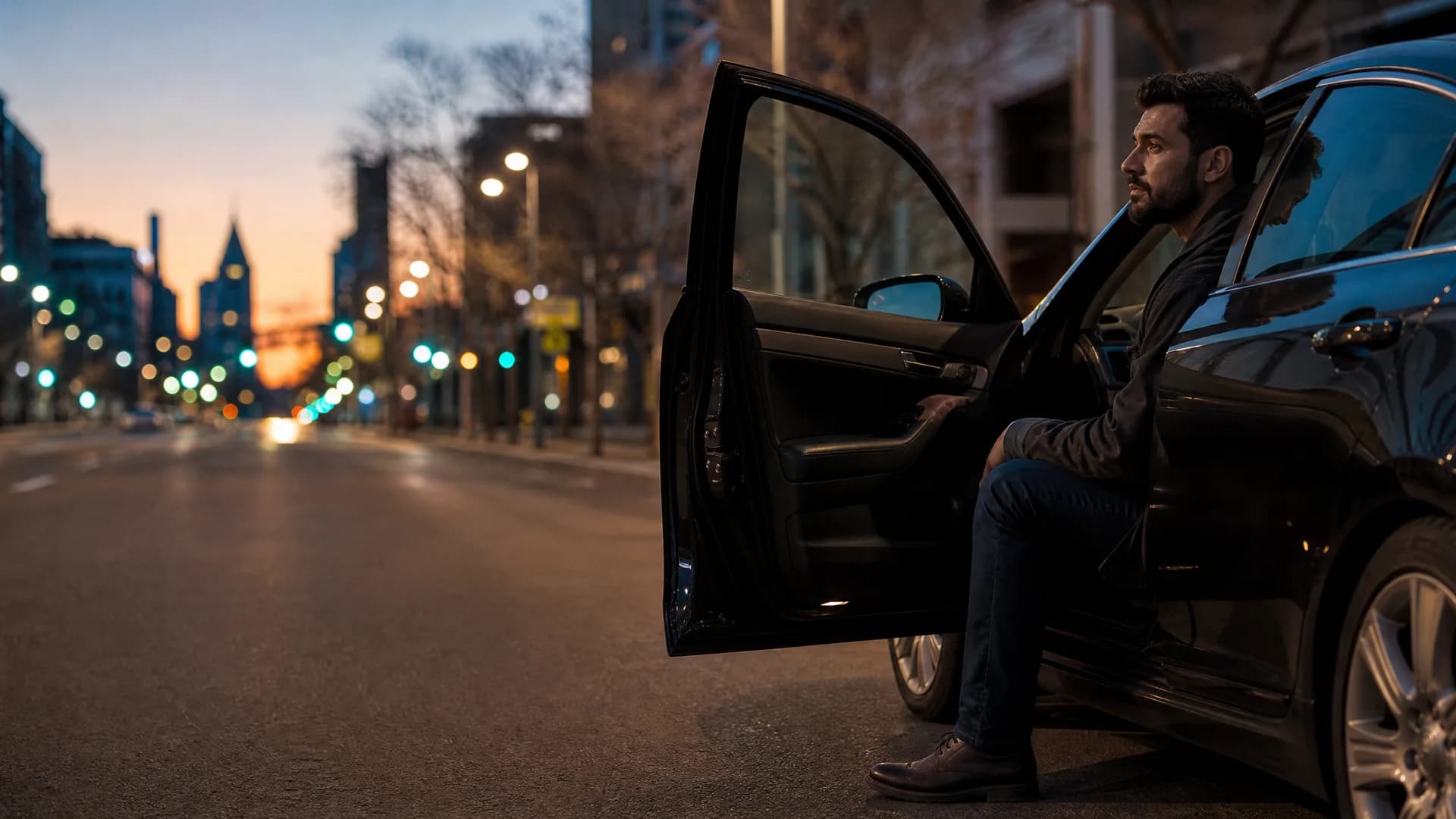
Utah law prohibits driving any vehicle without proof of financial responsibility. If your license is suspended due to a lapse, driving before you complete reinstatement is a separate violation that extends your suspension period and can add criminal penalties. The state does not issue a restricted or hardship license during a lapse-related suspension — you cannot drive at all until reinstatement is complete.
The one exception: Utah offers a Hardship Limited License for drivers whose suspension creates undue hardship, but eligibility requires clearance of indefinite department actions, employer verification of work hours, a letter of recommendation from the last convicting judge, proof of undue hardship, and required testing. For alcohol or drug-related suspensions, you must also provide physician verification of no controlled-substance use for 3 years and maintain a 1-year violation-free record. The hardship license restricts routes to work, school, or child visitation only. Contact a Driver License Division hearing officer for an eligibility review — the application path is not available online.
What Happens After Reinstatement
Once you pay the $40 reinstatement fee and the Driver License Division confirms your proof of coverage, your driving privilege restores immediately. If SR-22 filing is required, your 3-year filing period begins on the date the state receives the certificate. You must maintain continuous coverage for the full period — any lapse, even a single day, reinstates your suspension and requires a new reinstatement fee and a new SR-22 filing to clear it again.
The post-reinstatement reality: your lapse appears on your driving record and affects your premium for 3-5 years, depending on the carrier. Carriers treat a lapse as a high-risk signal because it suggests financial instability or disregard for legal requirements. Some carriers will not write new policies for drivers with a recent lapse; others will write the policy but charge significantly higher premiums.
Compare carriers that write post-lapse and SR-22 coverage in Utah. Not every carrier writes these policies, and the carriers that do price them very differently. Geico, Progressive, Dairyland, and Bristol West are often the most competitive for drivers with a lapse or SR-22 requirement. State Farm and USAA write SR-22 but typically reserve those policies for existing customers.
Compare Carriers and Restore Coverage
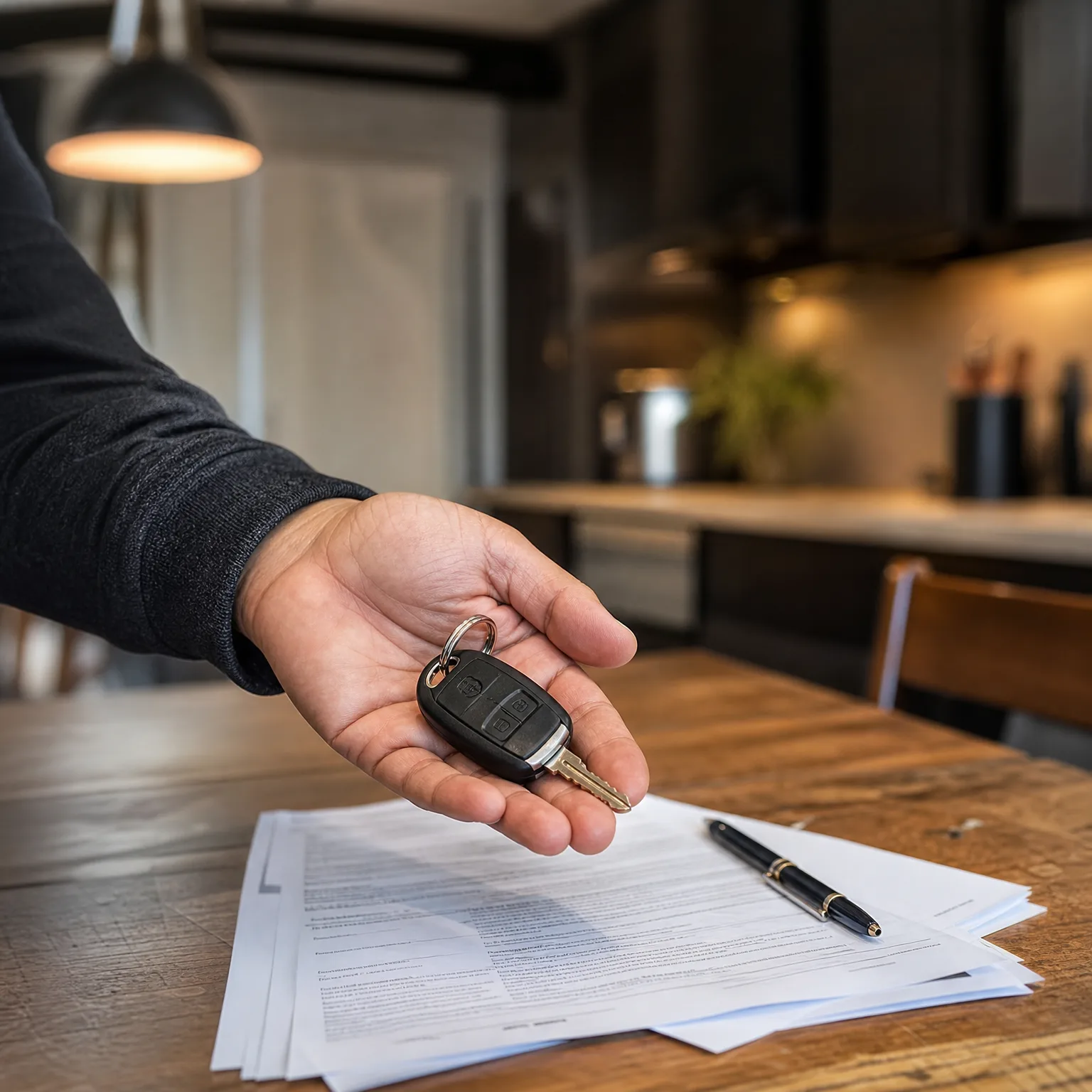
The next step: get quotes from carriers that write post-lapse and SR-22 coverage in Utah. Tell each carrier about your lapse and whether SR-22 filing is required — withholding that information produces an inaccurate quote that the carrier will correct upward after you buy, wasting time and potentially creating a second lapse if you cannot afford the corrected premium. Use the site's comparison tool to see which carriers write your situation and what coverage options fit your budget. Once you buy coverage, confirm the carrier filed proof with the Driver License Division before you pay the reinstatement fee. Paying the fee before the state receives your proof does not clear your suspension — you will pay twice.
Steps to Fix the Lapse
First, buy a new policy that meets or exceeds Utah's minimum liability limits. The policy must be active before you file proof — the state will not accept a future-dated policy or a quote. If your lapse triggered SR-22 filing requirements, tell the carrier when you buy coverage. The carrier will file the SR-22 certificate electronically with the Driver License Division, typically within 1-3 business days. If SR-22 is not required, the carrier still files proof of coverage electronically, but the filing is a standard verification rather than a certificate.
Second, confirm the Driver License Division received your proof of coverage. Most carriers file electronically, but processing delays can occur. Call the Driver License Division at 801-965-4437 to verify your filing status before you pay the reinstatement fee. If the state has not received your proof, paying the fee does not clear your suspension — you will pay twice. Third, pay the $40 reinstatement fee online through the Utah Driver License Division portal or in person at a Division office. The fee clears immediately upon payment, and your driving privilege restores once the state confirms both payment and proof of coverage.
Get Your Free Quote
Get My Utah Car Insurance QuoteFrequently Asked Questions
How much does it cost to reinstate my license after a lapse in Utah?
Utah charges a $40 reinstatement fee to restore driving privileges after an insurance lapse. This fee applies regardless of lapse duration.
Can I drive in Utah while my insurance lapse is being fixed?
No. Utah law prohibits driving any vehicle without proof of financial responsibility. If your license is suspended due to a lapse, driving before you complete reinstatement is a separate violation that extends your suspension and can add criminal penalties. The state does not issue a restricted license during a lapse-related suspension.
How long does SR-22 filing last in Utah?
Utah requires SR-22 filing for 3 years after driving without insurance. The period begins on the date the state receives the SR-22 certificate, not the date of the lapse. Any lapse in SR-22 coverage during the 3-year window reinstates your suspension immediately and requires a new reinstatement fee.
Which carriers write SR-22 policies in Utah?
Carriers that write SR-22 coverage in Utah include Geico, Progressive, State Farm, Dairyland, Bristol West, The General, National General, GAINSCO, Farmers, USAA, and Liberty Mutual. Not every carrier writes SR-22 policies, and those that do price them very differently. Compare at least three carriers before you buy.
What happens if I switch carriers during my SR-22 period?
When you switch carriers during an SR-22 period, confirm the new carrier files the SR-22 certificate before you cancel the old policy. Any gap between cancellation and new filing — even a few hours — triggers a suspension. The state sees a lapse in your SR-22 filing even though you have continuous coverage.
Does Utah offer a hardship license after an insurance lapse?
Utah offers a Hardship Limited License, but eligibility requires clearance of indefinite department actions, employer verification, a judge's recommendation, proof of undue hardship, and required testing. For alcohol or drug-related suspensions, you must also provide physician verification of no controlled-substance use for 3 years. Contact a Driver License Division hearing officer for an eligibility review.