
Insurance Lapse Reporting — Utah
Free to compare
What Happens When Your Coverage Drops
You missed a payment deadline, switched carriers with a gap between policies, or canceled coverage on one of your household's vehicles without immediately replacing it. The lapse might be two days or two weeks. Either way, Utah's electronic reporting system has already flagged it, and the Driver License Division now has a record showing your vehicle is uninsured.
Most drivers assume they have time to fix a lapse before the state notices. That assumption is wrong. Utah carriers report lapses to the state's database within one to three business days of the coverage end date. The DMV does not wait for you to self-report or for a traffic stop to discover the gap. The moment your carrier's system registers the lapse, the state's system registers it too, and the suspension process begins automatically.
“Utah carriers report lapses within one to three business days, and the state suspends your registration before the notice reaches your mailbox.”

Meet Utah's Requirements Without Overpaying
Get My Utah Car Insurance Quote1-3 business days
Carrier Lapse Report Window
Utah carriers transmit lapse notifications to the Driver License Division electronically within one to three business days of the coverage end date. The state does not wait for manual reporting or discovery at a traffic stop.
Utah Driver License Division electronic reporting protocol
How Utah's Electronic Reporting System Works
Utah operates a real-time insurance verification system. Every registered vehicle in the state is linked to an active insurance policy in the state's database. When a carrier cancels or non-renews a policy, the carrier's system sends an electronic notification to the Driver License Division. That notification includes the policy end date, the vehicle identification number, and the policyholder's driver license number.
The system does not distinguish between intentional cancellations and missed payments. A lapse is a lapse. If you canceled coverage on a vehicle you planned to sell but the sale fell through, the state sees only that the vehicle is registered and uninsured. If you switched carriers and the new policy started two days after the old one ended, the state sees a two-day gap. Both trigger the same suspension process.
The Driver License Division sends a notice to the address on file. That notice states that your registration is suspended and that you must provide proof of continuous coverage or surrender your license plates. The notice typically arrives five to ten business days after the lapse report. By the time you receive it, your registration has already been suspended for several days.

The state suspends your registration before the notice reaches your mailbox. Driving during that window compounds the violation.


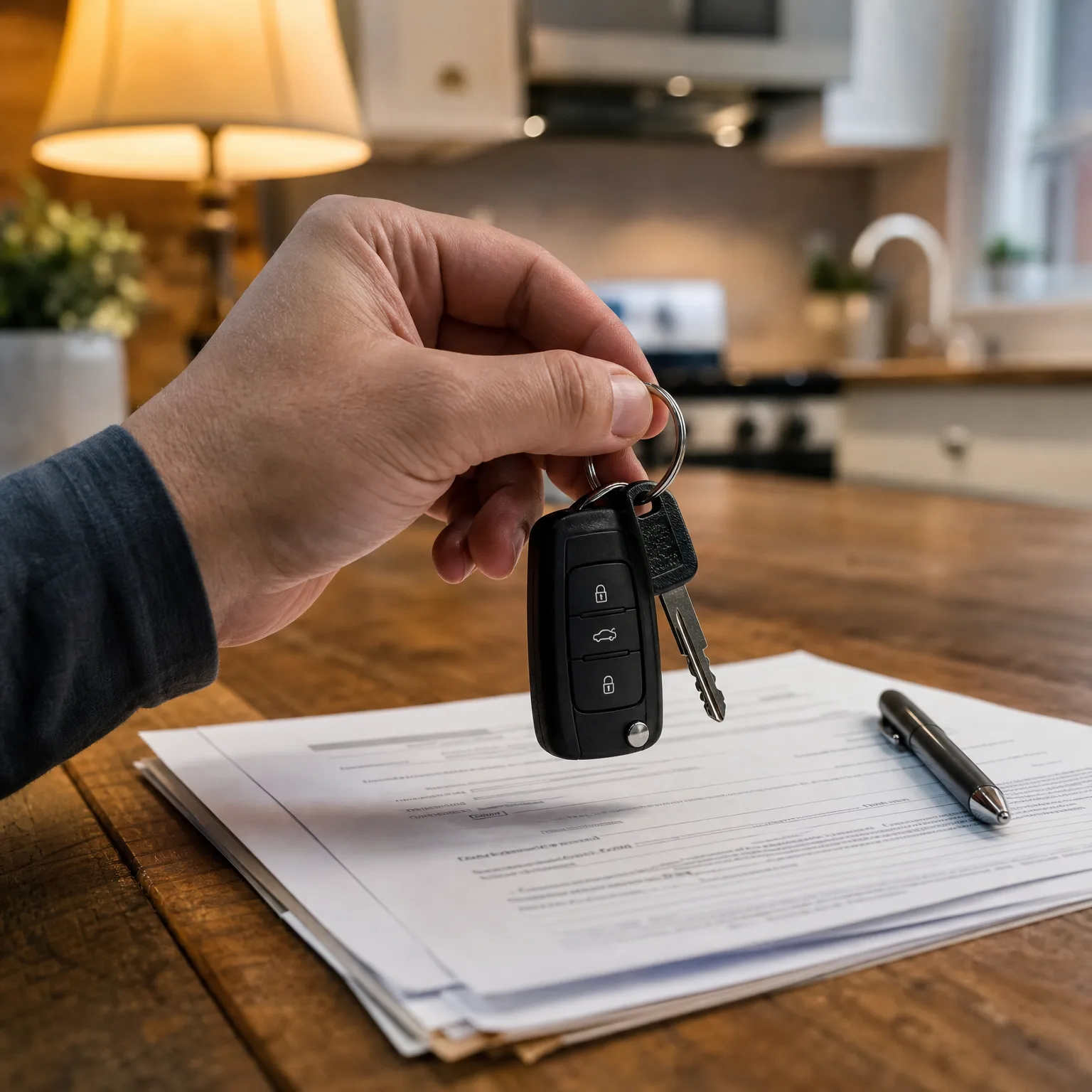




How a Lapse Affects Multiple Vehicles on One Policy
If you insure multiple vehicles on a single policy and the policy lapses, every vehicle listed on that policy is flagged as uninsured. The state does not suspend only the vehicle you were driving or the vehicle that triggered the lapse. All vehicles tied to the policy lose their registration status simultaneously.
This creates a compounding problem for households with two, three, or four cars. One missed payment or one coverage gap suspends the registration on every vehicle. You cannot legally drive any of them until you reinstate coverage, file the SR-22, and pay the $40 reinstatement fee. If another household member drives one of the vehicles during the suspension period without knowing the registration is suspended, that driver is now operating an unregistered vehicle, which carries its own penalties.
When you reinstate, the SR-22 filing covers all vehicles on the new policy. You do not file separate SR-22 certificates for each car. But the reinstatement fee is a single $40 charge per driver license, not per vehicle. If two household members each hold a driver license and both were listed on the lapsed policy, each must pay the $40 fee separately to clear their own suspension record.
$40
Utah Reinstatement Fee
The Driver License Division charges a $40 reinstatement fee per driver license after an insurance lapse. The fee is not per vehicle. Households with multiple drivers on the same policy pay $40 per driver to clear the suspension.
Utah Driver License Division fee schedule

What Happens If You Drive During the Suspension
Driving a vehicle with a suspended registration is a separate violation from driving without insurance. If a law enforcement officer runs your plates during a traffic stop or at a checkpoint, the system shows the registration as suspended. That is an immediate citation. The officer may impound the vehicle on the spot. You will face fines, court costs, and potentially a criminal misdemeanor charge depending on how long the suspension has been in effect and whether you have prior violations.
The suspension also affects your ability to renew registration when the renewal date arrives. You cannot renew a suspended registration. You must first reinstate by filing the SR-22 and paying the $40 fee. Only then can you proceed with the standard renewal process. If you attempt to renew online or by mail without clearing the suspension, the system will reject the renewal and flag your account for follow-up.
How to Prevent a Lapse When Switching Carriers or Selling a Vehicle
The most common lapse scenario is a gap between policies when switching carriers. You cancel the old policy on the day the new one is supposed to start, but the new carrier's system does not activate coverage until the following day. That one-day gap triggers the lapse report. To avoid this, overlap the policies by at least 24 hours. Start the new policy one day before you cancel the old one. You will pay for one day of duplicate coverage, but that cost is far lower than the reinstatement fee and SR-22 filing cost.
If you are selling a vehicle and plan to cancel coverage, do not cancel until the vehicle is no longer registered in your name. The state's system links registration to insurance. As long as the vehicle is registered to you, it must show active coverage. Cancel the registration first by surrendering the plates to the DMV, then cancel the insurance. If you cancel insurance while the vehicle is still registered, the lapse report triggers even though you no longer own or drive the car.
What the State Requires to Lift the Suspension
You must provide an SR-22 certificate from your new carrier. The SR-22 is not a separate insurance product. It is a filing your carrier submits to the state confirming that you carry at least Utah's minimum liability limits: $30,000 per person for bodily injury, $65,000 per accident for bodily injury, and $25,000 for property damage. Personal injury protection is also required. The carrier files the SR-22 electronically. You do not file it yourself. The state does not charge a separate SR-22 filing fee.
Once the SR-22 is on file, you pay the $40 reinstatement fee to the Driver License Division. You cannot pay the fee until the SR-22 appears in the state's system, which usually takes one business day after your carrier files it. The state maintains the SR-22 requirement for three years from the reinstatement date. If your coverage lapses again during that period, the suspension process repeats, and the three-year clock resets.
Get Your Free Quote
Get My Utah Car Insurance QuoteFrequently Asked Questions
How long does it take for Utah to find out my insurance lapsed?
Utah carriers report lapses electronically to the Driver License Division within one to three business days of the coverage end date. The state's system flags the lapse immediately. You do not have a grace period before the state knows.
Can I reinstate my registration without filing an SR-22?
No. Utah requires an SR-22 certificate from your carrier to reinstate registration after an insurance lapse. The SR-22 confirms you now carry at least the state's minimum liability limits. You also pay a $40 reinstatement fee.
Does a one-day lapse between policies trigger a suspension?
Yes. Utah's electronic reporting system does not distinguish between a one-day gap and a longer lapse. Any period without active coverage triggers a lapse report from your carrier and a registration suspension from the state.
What happens if I have multiple cars on one policy and it lapses?
Every vehicle listed on the lapsed policy loses its registration status. The state suspends all of them simultaneously. You cannot legally drive any vehicle on the policy until you reinstate coverage, file the SR-22, and pay the $40 fee.
How long do I have to keep the SR-22 on file after reinstatement?
Utah requires SR-22 filing for three years from the reinstatement date. If your coverage lapses again during that period, the suspension process repeats and the three-year clock resets from the new reinstatement date.
Can I renew my vehicle registration while it is suspended for a lapse?
No. You must first reinstate by filing an SR-22 and paying the $40 reinstatement fee. Only after the suspension is cleared can you proceed with the standard registration renewal process.