
Utah Has No Continuous Coverage Statute
Utah does not require continuous car insurance coverage by law. No statute compels you to maintain uninterrupted insurance on every vehicle you own. You can legally drop coverage on a car you are not driving, and you can restart coverage later without penalty from the state for the gap itself.
The structural reality households miss: while Utah does not mandate continuous coverage, it does mandate proof of insurance to keep a vehicle registered. The moment your insurance lapses, the Driver License Division receives an electronic notice from your carrier. The DMV then suspends your registration. For a household managing two or more vehicles, a lapse on any car creates a procedural chain that costs time and money to reverse.
Compare car insurance rates in your state
Get quotes from licensed carriers — no obligation, no spam, results in minutes.
Get Your Free QuoteUtah Registration Reinstatement Fee
Charged by the Driver License Division when you restore insurance after a lapse triggers registration suspension.
Utah Driver License Division fee schedule
How the Lapse-Suspension Mechanism Works
Utah carriers report policy cancellations and lapses to the Driver License Division electronically. The system is real-time. When your policy ends or cancels, the DMV receives the notice within days. The DMV then suspends the registration for every vehicle that lost coverage.
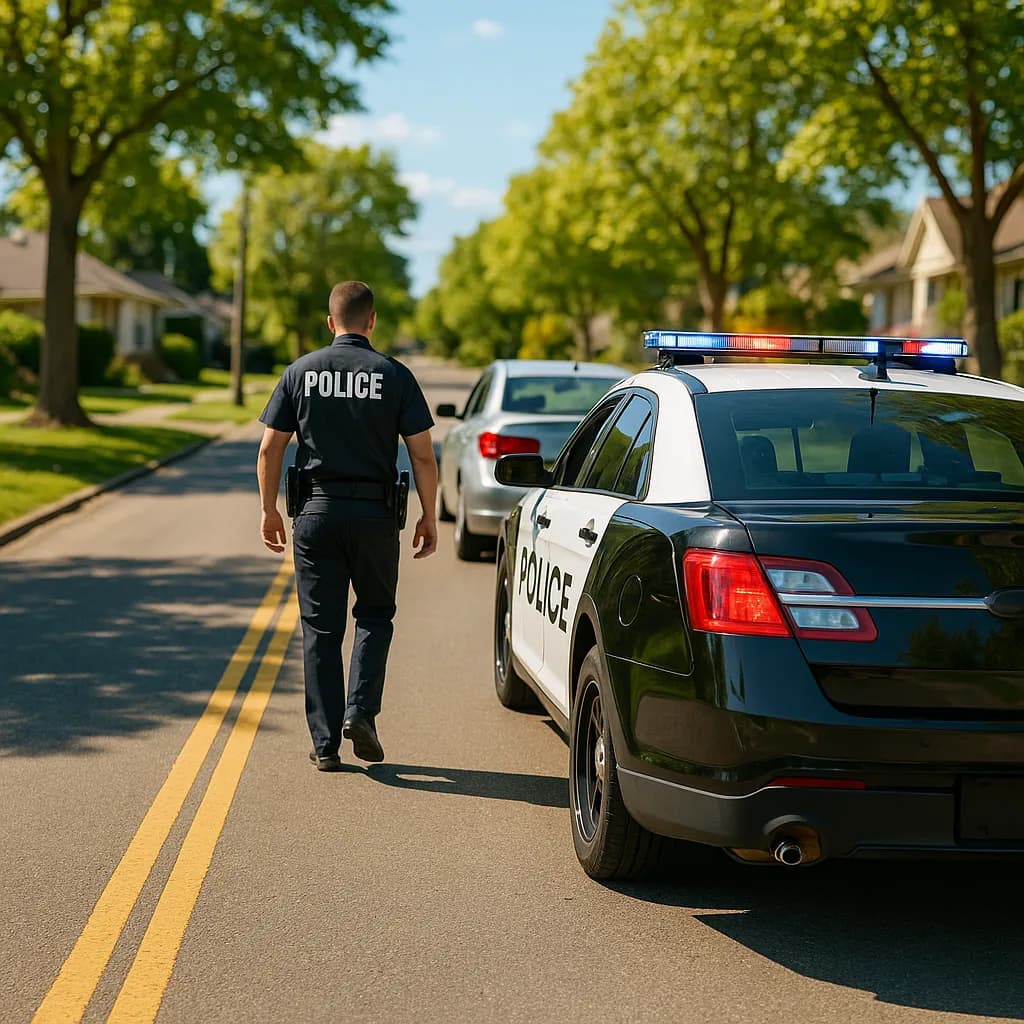
A suspended registration means you cannot legally drive the car. If you are pulled over with a suspended registration, you face a citation. The citation carries fines and potential points on your license.
For a household with multiple vehicles, the lapse-suspension chain applies to each car individually. If you drop coverage on one vehicle but keep it on the others, only the lapsed vehicle's registration suspends. The other cars remain registered as long as their coverage continues. But if you let the entire policy lapse, every vehicle on that policy loses its registration simultaneously.
A lapse on one vehicle does not affect the others' registration status, but a whole-policy lapse suspends every car on the policy at once.
When Dropping Coverage Makes Sense
If you plan to stop driving a car for an extended period, you can drop coverage and surrender the registration to the DMV. Surrendering the registration removes the vehicle from the state's active-registration database, so no lapse notice triggers a suspension. When you want to drive the car again, you restore insurance, pay the registration renewal fee, and re-register. This path works for cars that will sit unused for months at a time.
If you drop coverage but do not surrender the registration, the DMV suspends the registration automatically. For most households, the reinstatement fee plus the procedural hassle costs more than keeping minimum liability coverage on the unused car. A vehicle insured at Utah's minimum liability limits costs less per month than the reinstatement fee spread across a few months of non-use.
Related Articles





Multi-Vehicle Households and the Same-Policy Requirement
Most carriers require every vehicle in a household to sit on the same policy to qualify for the multi-car discount. If you drop coverage on one car, the carrier may remove that vehicle from the policy entirely. When you restore coverage later, the carrier treats it as adding a new vehicle, which re-rates the entire policy. The new rate may be higher than the rate you had before the lapse, even if your driving record and the other vehicles have not changed.
Some carriers allow you to suspend coverage on a vehicle without removing it from the policy, but this option is not universal. The carrier typically requires proof that the car will not be driven: surrendered plates, storage documentation, or a signed affidavit. If your carrier offers suspension, you keep the multi-car discount and avoid re-rating when you restore coverage. If your carrier does not offer suspension, dropping coverage means losing the discount and re-rating the policy when you add the car back.
Utah Minimum Liability Limits
$30,000 / $65,000 / $25,000
Bodily injury per person, bodily injury per accident, and property damage. Every registered vehicle in Utah must carry at least these limits. Personal injury protection is also required. Households managing multiple vehicles must meet these minimums on every car to keep all registrations active.
Utah state minimum liability requirements
The Practical Path for Most Households
For households with two or more vehicles that are all driven regularly, continuous coverage is the only practical path. The cost of maintaining minimum liability coverage on every car is lower than the procedural cost of managing lapses, reinstatement fees, and re-rating. The multi-car discount typically offsets a significant portion of the cost of insuring the second and third vehicles, so dropping coverage on one car to save money often backfires when you factor in the reinstatement fee and the loss of the discount.
If you have a vehicle you genuinely will not drive for months, surrender the registration to the DMV before you drop coverage. This avoids the lapse-suspension chain entirely. When you want to drive the car again, restore insurance first, then re-register.
Compare Carriers That Write Multi-Vehicle Policies in Utah
Utah has 20 carriers writing auto insurance in the state, and most offer multi-car discounts. The discount structure, the same-policy requirements, and the suspension options vary by carrier. Some carriers allow you to suspend coverage on a vehicle without removing it from the policy; others require you to drop the vehicle entirely, which triggers re-rating when you add it back. Compare carriers that write policies for households with your vehicle count and driving profile. The right carrier for a two-car household may not be the right carrier for a four-car household, and the suspension rules matter when you have a seasonal or rarely-driven vehicle in the mix.