
When Utah Requires Financial Responsibility Proof
You need proof of financial responsibility when registering a vehicle for the first time in Utah, renewing registration, reinstating a suspended license, or responding to a Driver License Division request after a lapse in coverage. The state does not accept verbal confirmation or delayed submission — proof must be on file before the DMV processes your transaction.
Households managing multiple vehicles face a specific friction point: each vehicle requires its own proof tied to its VIN, and a single insurance card covering your household policy does not automatically satisfy the requirement for every car you own. If you register three vehicles on one policy, the DMV needs documentation showing all three VINs are insured, not just the policy declaration page.
Compare car insurance rates in your state
Get quotes from licensed carriers — no obligation, no spam, results in minutes.
Get Your Free QuoteUtah Minimum Liability Limits
$30,000 / $65,000 / $25,000
Utah requires $30,000 bodily injury per person, $65,000 bodily injury per accident, and $25,000 property damage. Every vehicle you register must carry at least these limits, and your proof document must show them.
Utah Code Ann. § 31A-22-304
Forms of Proof Utah Accepts
Utah accepts four forms of financial responsibility proof: an insurance card issued by a licensed carrier, an SR-22 certificate filed electronically by your carrier, a surety bond posted with the state, or a cash deposit held by the state treasurer. Most households use insurance cards, but the other forms exist for specific situations where standard insurance is unavailable or cost-prohibitive.
An insurance card must show your name, the vehicle identification number, the policy number, the coverage effective dates, and the liability limits. If your household policy covers multiple vehicles, request a card for each VIN — a single card listing only one vehicle will not cover registration for the others, even though they sit on the same policy.
The SR-22 certificate is an electronic filing your carrier submits directly to the Driver License Division. You do not carry an SR-22 card; the state receives continuous electronic confirmation that your policy remains active. If your policy lapses, the carrier notifies the DLD immediately, triggering a suspension. Households needing SR-22 proof for one driver must ensure every vehicle that driver operates appears on the SR-22-backed policy, or the filing does not cover those vehicles.
A policy covering multiple vehicles requires separate proof documents for each VIN at registration — one card does not register three cars, even when all three sit on the same policy.
Submitting Proof for Multiple Vehicles
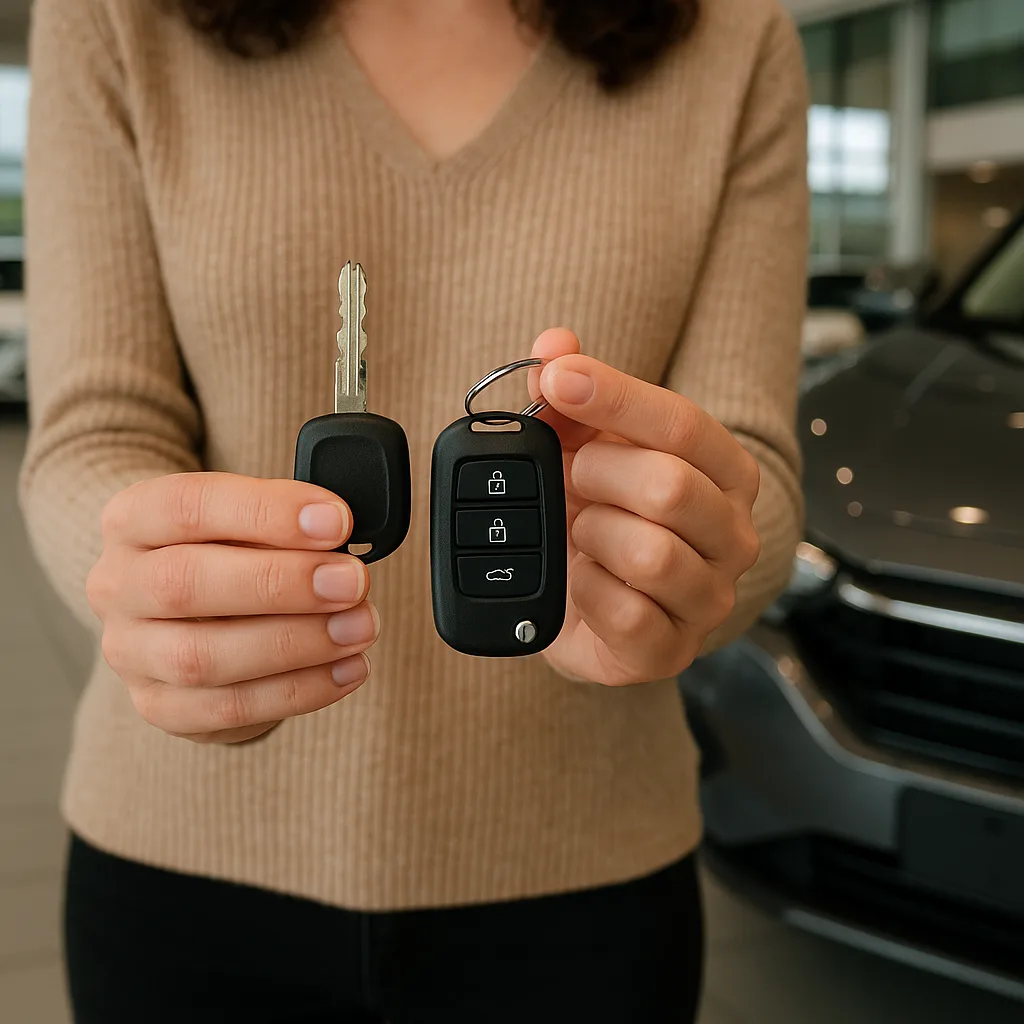
Bring an insurance card for every vehicle you are registering. If your carrier issues a single declaration page listing all VINs, that page satisfies the requirement, but most carriers issue individual cards per vehicle. Verify before you visit the DMV that you have documentation showing every VIN you intend to register — missing one card means that vehicle cannot be processed, even if the others clear.
If one vehicle on your policy requires SR-22 proof and the others do not, the SR-22 filing covers only the vehicles listed on the certificate. The DLD does not automatically extend SR-22 coverage to every car on your household policy. Request that your carrier include all household vehicles on the SR-22 certificate if you want continuous electronic verification for the entire fleet, or carry separate insurance cards for the vehicles not on the SR-22.
Related Articles





How Utah Verifies Coverage Electronically
Utah participates in an electronic insurance verification system that allows the DMV and law enforcement to check coverage status in real time. When you register a vehicle, the DMV queries the system using your VIN and policy number. If the system returns an active policy meeting the state minimum limits, your proof clears immediately. If the query returns no match, you must provide a physical insurance card or other proof document.
This system creates a specific problem for households that recently added a vehicle mid-term: the carrier may not have updated the electronic database yet, even though your policy shows the new VIN. Bring a physical insurance card or email confirmation from your carrier showing the vehicle was added, along with the effective date. The DMV will accept the physical proof and manually enter the record while the electronic system catches up.
If you switch carriers or add a vehicle and the electronic system still shows your old policy or an incomplete VIN list, the DMV cannot process your registration until the mismatch resolves. Call your carrier before visiting the DMV and confirm that the electronic filing reflects every vehicle you intend to register. Fixing a database lag at the counter wastes time and often requires a second trip.
Utah License Reinstatement Fee
The fee applies per suspension event, not per vehicle.
Utah Driver License Division
Reinstatement After a Coverage Lapse
If your insurance lapses and the state suspends your registration or license, you cannot reinstate until you restore coverage and file proof with the Driver License Division. The DLD requires continuous coverage from the lapse date forward — you cannot backdate a new policy to cover the gap. If your household policy lapsed because you missed a payment, contact your carrier immediately to reinstate the policy before the suspension processes. Once the suspension takes effect, you pay the reinstatement fee and wait for the DLD to clear your record before you can register or drive legally.
Households with multiple vehicles face a compounding problem: if one vehicle's registration lapses and you continue driving it, the state can suspend your license, which blocks registration for every other vehicle you own. A lapse on one car cascades across your entire household fleet. Maintain continuous coverage on every vehicle to avoid this scenario.
Compare Carriers Writing Multiple Vehicles in Utah
Not every carrier writing in Utah offers the same multi-vehicle policy structure or the same ease of adding vehicles mid-term. Some carriers require you to call to add a vehicle; others let you add it online and generate an insurance card immediately. When you manage multiple vehicles, the carrier's process for updating proof documents and filing electronic verifications matters as much as the premium. Compare carriers on their ability to issue per-VIN proof quickly and update the state's electronic system without lag. A lower premium does not help if the carrier cannot produce the proof documents you need to register your vehicles on time.