When You Need Proof in Utah
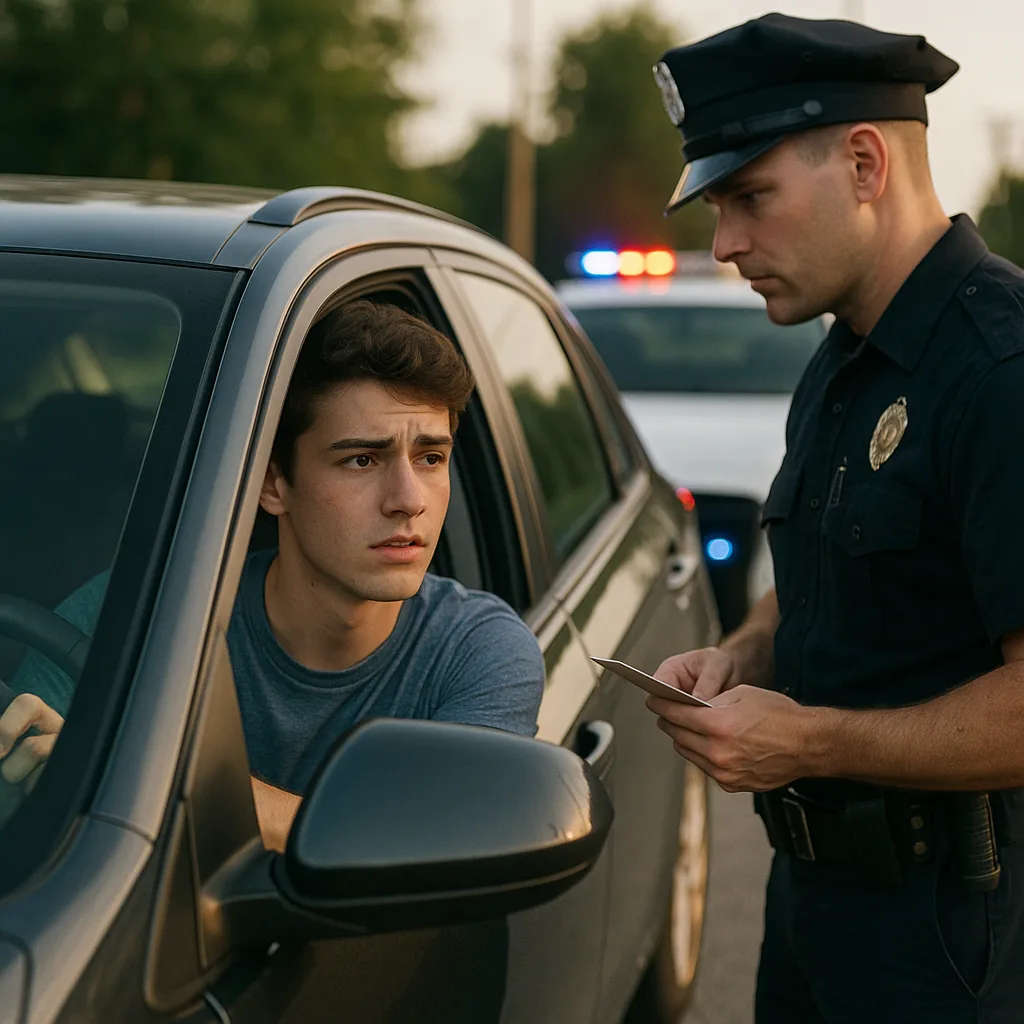
You bought a second car and drove to the DMV to register it, insurance card ready on your phone. The clerk asked for a printed certificate or an electronic filing from your carrier. Your digital card was not accepted. Utah law requires proof of insurance at three distinct moments: traffic stops, vehicle registration, and license reinstatement after certain suspensions. The acceptable format changes depending on which moment you are in.
At a traffic stop, Utah law permits a digital insurance card displayed on your phone. For DMV registration and plate renewal, the state requires either a paper insurance certificate or an electronic filing sent directly from your carrier to the Driver License Division. If you are reinstating a suspended license after a financial-responsibility action, the state may require an SR-22 Certificate of Insurance filed by your carrier. Knowing which format applies to which situation prevents delays when you are managing coverage across multiple vehicles.
Compare car insurance rates in your state
Get quotes from licensed carriers — no obligation, no spam, results in minutes.
Get Your Free QuoteUtah Minimum Liability Limits
$30,000 / $65,000 / $25,000
Utah requires $30,000 bodily injury per person, $65,000 bodily injury per accident, and $25,000 property damage. Every vehicle you register must meet these minimums, and proof of coverage at these levels is what the DMV verifies at registration.
Utah Code Ann. § 31A-22-304
What Counts as Valid Proof at a Traffic Stop
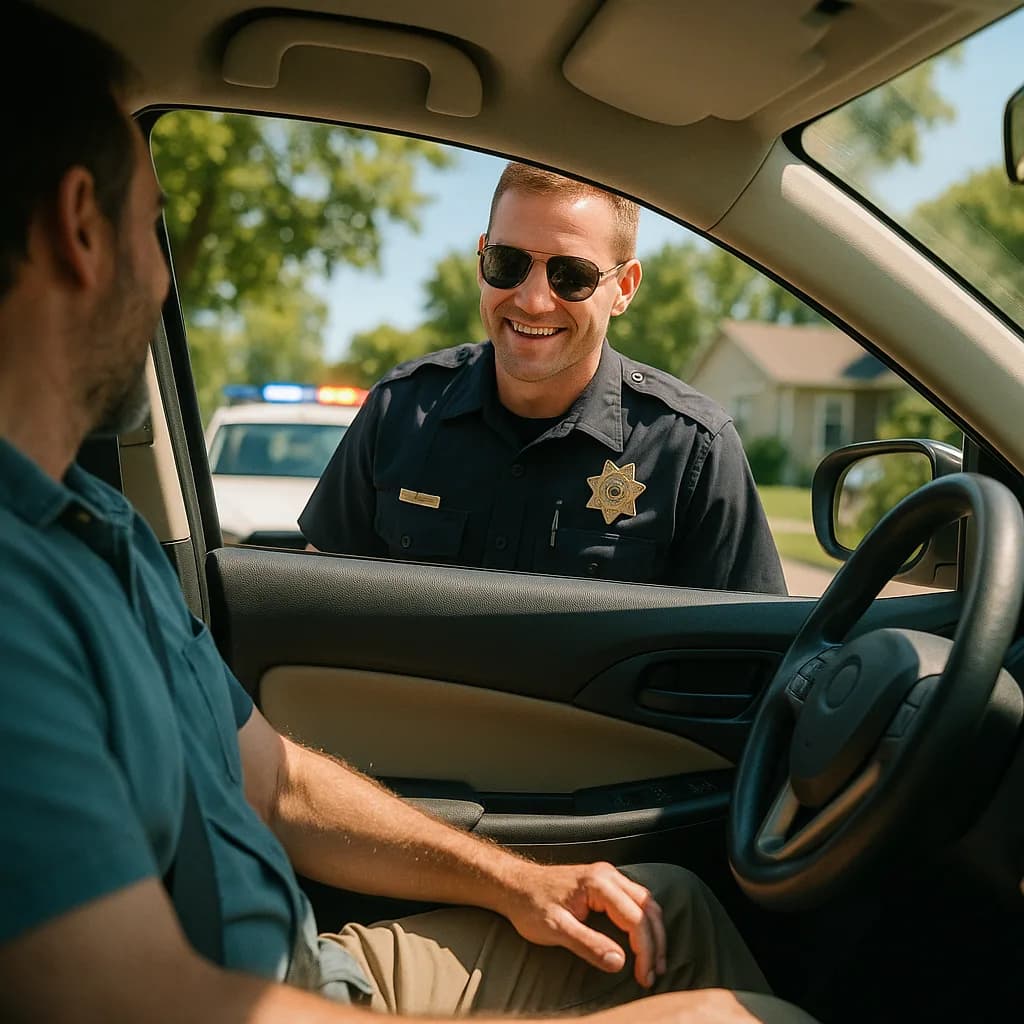
Utah law permits a digital insurance card displayed on a mobile device during a traffic stop. The card must show your name, the policy number, the vehicle identification number, the coverage effective dates, and the name of the insurance carrier. Most carriers provide a digital card through their mobile app or website that meets these requirements.
If you insure multiple vehicles on one policy, the digital card typically lists all covered vehicles. Officers verify that the vehicle they stopped appears on the card and that coverage is current. If the card shows only one vehicle and you are driving a different car on the same policy, you may need to access your carrier's app to display the full policy schedule or call your carrier to confirm coverage while the officer waits.
Paper insurance cards remain valid. If you prefer to carry a printed card for each vehicle, keep them in the glove compartment of the corresponding car. When you add a vehicle mid-term, request updated cards from your carrier immediately so each car carries current proof.
Digital proof works at traffic stops but not at the DMV. Registration and reinstatement require a paper certificate or electronic carrier filing.
Proof Requirements for DMV Registration
A paper insurance certificate is a printed document your carrier issues that shows the policy number, coverage effective dates, the vehicle identification number, and confirmation that the policy meets Utah's minimum liability limits. You present this certificate at the DMV counter when you register the vehicle. If you are registering multiple vehicles at once, bring a separate certificate for each car. Most carriers mail certificates automatically when you add a vehicle; if you need one immediately, call your carrier and request expedited delivery or ask if they can email a printable version.
Electronic filing means your carrier transmits proof of insurance directly to the Driver License Division's database. When you arrive at the DMV, the clerk verifies coverage by looking up your policy in the state system. Not all carriers offer electronic filing for every policy type. If your carrier files electronically, you do not need to bring a paper certificate. If you are unsure whether your carrier files electronically, call them before your DMV appointment. For households with multiple vehicles, electronic filing simplifies registration because the state system shows all covered cars on the policy without requiring separate certificates.
Related Articles




Proof After a Lapse or Suspension
If your insurance lapses and the DMV suspends your registration, you must provide proof of new coverage to reinstate. Utah's Driver License Division monitors insurance status through carrier filings. When a policy cancels, the carrier notifies the state. If you do not replace coverage within the grace period, the DMV suspends your registration and you cannot legally drive the vehicle until you reinstate.
You must present a paper insurance certificate or confirm that your new carrier has filed electronically with the state. If you are reinstating multiple vehicles, each car requires separate proof of coverage. The DMV will not reinstate a vehicle until the state system shows active insurance for that specific VIN.
If your license was suspended due to a financial-responsibility action after an at-fault accident or a DUI conviction, the state may require an SR-22 Certificate of Insurance. An SR-22 is not a type of insurance; it is a filing your carrier submits to the Driver License Division certifying that you carry at least Utah's minimum liability limits. The SR-22 requirement lasts for 3 years from the conviction or suspension date. Your carrier files the SR-22 electronically; you do not present a paper document at the DMV. Not all carriers offer SR-22 filing. If your current carrier does not, you must switch to one that does before you can reinstate.
Utah Reinstatement Fee
Utah Driver License Division fee schedule
Managing Proof Across Multiple Vehicles
When you insure multiple vehicles on one policy, your carrier issues a single policy document that lists all covered cars. For traffic stops, a digital card showing the full policy schedule works for any vehicle you drive. For DMV registration, you need separate proof for each car: either individual paper certificates per VIN, or confirmation that your carrier has filed all vehicles electronically with the state.
If you add a vehicle mid-term, request updated proof immediately. Carriers typically mail new certificates within a few business days, but if you need to register the car sooner, ask whether they can email a printable certificate or file electronically the same day. If you are registering two cars at once and only one certificate has arrived, the DMV will register only the vehicle with proof on file. You will need to return for the second vehicle once you have its certificate or the carrier completes the electronic filing.
Compare Carriers That Simplify Multi-Vehicle Proof
Carriers that offer electronic filing to Utah's Driver License Division reduce the administrative burden of managing proof for multiple vehicles. When your carrier files electronically, the DMV verifies all covered cars in one lookup, and you do not need to track separate paper certificates for registration or renewal. If you are adding vehicles frequently or managing a household with several cars, ask prospective carriers whether they support electronic filing in Utah and how quickly they transmit updates after you add a vehicle. Compare Utah car insurance carriers that write multi-vehicle policies and confirm their filing capabilities before you switch.