
Car Registration Documents — Utah
Free to compare
What Stops Registration at the Utah DMV Counter
You arrive at the Utah Driver License Division counter with your title, your bill of sale, and your checkbook. The clerk asks for proof of insurance. You hand over your insurance card. The clerk scans it, pauses, and says the vehicle identification number on the card doesn't match the car you're registering. Registration stops. You leave without plates.
This scenario plays out daily at Utah DMV offices, especially for households adding a second or third vehicle to an existing policy. The insurance card in your wallet shows the cars already on your policy. The car you're registering today isn't listed yet because you bought it yesterday and haven't called your carrier. Utah will not register a vehicle without proof that the specific VIN is insured to state minimum liability limits. The document list is short, but every item must be current and correct.
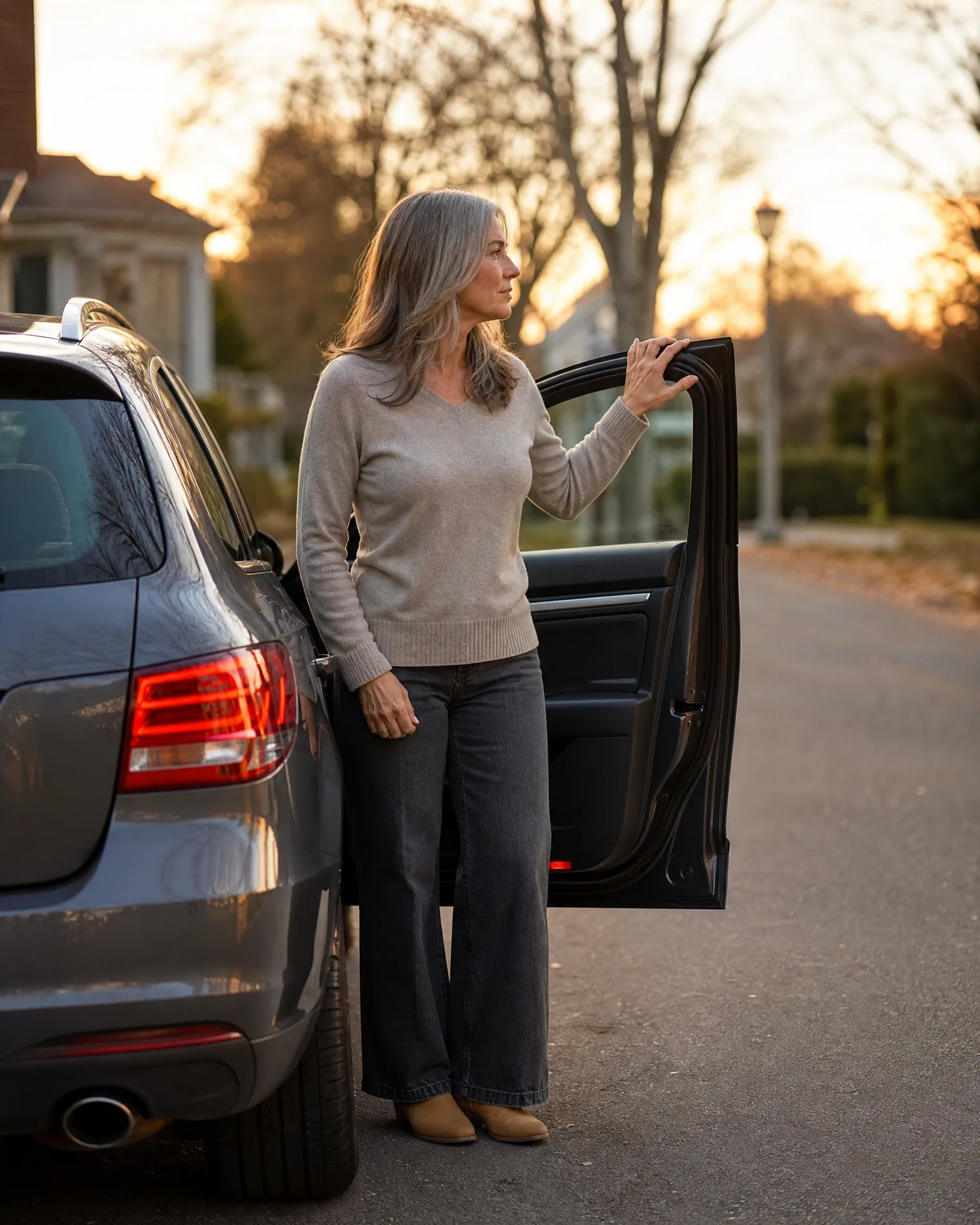
“The insurance card in your wallet shows the cars already on your policy—the car you're registering today isn't listed yet.”
Meet Utah's Requirements Without Overpaying
Get My Utah Car Insurance Quote$30,000/$65,000/$25,000
Utah Minimum Liability Coverage
Utah requires at least $30,000 bodily injury per person, $65,000 bodily injury per accident, and $25,000 property damage. Personal injury protection is also mandatory. Registration will not proceed without proof your policy meets these minimums for the specific vehicle.
Utah Driver License Division
The Core Document List Utah Requires
Utah requires four documents to register a vehicle. First, proof of ownership: the certificate of title signed by the seller, or the manufacturer's certificate of origin for a new car. If the title shows a lienholder, you need a lien release or a letter from the lender authorizing registration. Second, proof of insurance meeting state minimums, listing the exact VIN you're registering. Third, a completed Utah Title Application form TC-656. Fourth, payment for registration fees and taxes.
The insurance proof must be current. Utah accepts an insurance card, a declaration page, or an electronic verification from your carrier. The document must show your name, the vehicle VIN, the policy effective date, and coverage amounts meeting or exceeding state minimums. A card showing only liability without stating the amounts will be rejected. A card listing a different VIN will be rejected. If you're registering a vehicle you just bought, call your carrier before you go to the DMV and confirm the new VIN is added to your policy and active.
For a used vehicle purchased from a private party, bring the signed title and a bill of sale showing the purchase price. Utah calculates sales tax at the DMV based on the declared purchase price or the vehicle's fair market value, whichever is higher. For a vehicle moved from another state, bring the out-of-state title and proof you passed a Utah safety inspection within the past 60 days. New residents have 60 days from establishing residency to register vehicles brought into the state.

The insurance document must list the exact VIN you're registering. A policy covering your other cars does not count until the new car's VIN appears on the proof-of-insurance document.
Related Articles

What Happens When a Document Is Missing or Incorrect
If you arrive without proof of insurance listing the correct VIN, the DMV will not register the vehicle. You leave, contact your carrier, obtain updated proof, and return. If the title is not signed by the seller or is missing a required field, registration stops until you obtain a corrected title. If the out-of-state title shows a lienholder and you do not have a lien release, registration stops until the lender provides one.
Utah will not issue temporary tags while you resolve documentation problems. The vehicle cannot be legally driven on public roads until registration is complete. If you're trading in a car and need to drive the new one home, confirm all documents are correct before you leave the dealership. Dealers handle registration for new-car purchases, but private-party buyers handle it themselves. Missing one document costs you a second trip and delays legal operation of the vehicle.
If your insurance policy does not meet Utah's minimum liability limits, the DMV will reject it. This happens most often when a driver moves from a state with lower minimums and has not yet updated their policy. Contact your carrier before moving to Utah and confirm your policy meets $30,000/$65,000/$25,000 liability minimums plus personal injury protection. If it does not, increase your limits before you attempt to register.
60 days
Utah New-Resident Registration Window
New residents must register vehicles brought into Utah within 60 days of establishing residency. After 60 days, driving an unregistered vehicle is a violation. The safety inspection must be completed within 60 days before registration as well.
Utah Driver License Division

How Adding a Vehicle Mid-Policy Affects Your Coverage Structure
When you add a vehicle to an existing multi-car policy, the carrier re-rates the entire policy, not just the new car. The multi-car discount applies when all vehicles sit on the same policy and share a garaging address. Adding a third car may increase your total premium less than adding a second car did, because the discount percentage grows with vehicle count at most carriers. But the new vehicle's characteristics—year, make, model, safety features, theft rate—affect the base rate before the discount applies.
If the new vehicle is titled to someone outside your household or garaged at a different address, some carriers will not extend the multi-car discount to it. Confirm with your carrier whether the new car qualifies for the same-policy discount before you finalize the purchase. If it does not, you may need a separate policy for that vehicle, and you will need separate proof-of-insurance documents for each policy when you register.
Confirm Your Documents Before You Drive to the DMV
Before you leave for the DMV, check every document against Utah's requirements. Confirm the title is signed and dated. Confirm your insurance proof lists the exact VIN you're registering and shows coverage meeting state minimums. Confirm you have a completed TC-656 form and payment for fees. If you're registering a used car bought from a private party, confirm you have a bill of sale showing the purchase price.
If any document is missing or incorrect, resolve it before you go. Call your carrier and request updated proof of insurance with the new VIN. Contact the seller and obtain a corrected title if needed. Request a lien release from your lender if the title shows a lienholder. One missing document stops the process. Confirming everything in advance saves you a wasted trip and gets you legal plates the same day.
How Multi-Vehicle Households Trigger the VIN Mismatch
Most carriers give you a grace period to report a newly purchased vehicle, typically 14 to 30 days. During that window, the new car is covered under your existing policy's liability limits. But coverage and proof of coverage are not the same thing. Your insurance card still shows only the vehicles that were on the policy when the card was printed. The DMV does not accept a grace-period explanation. They require a document listing the new VIN before they will issue plates.
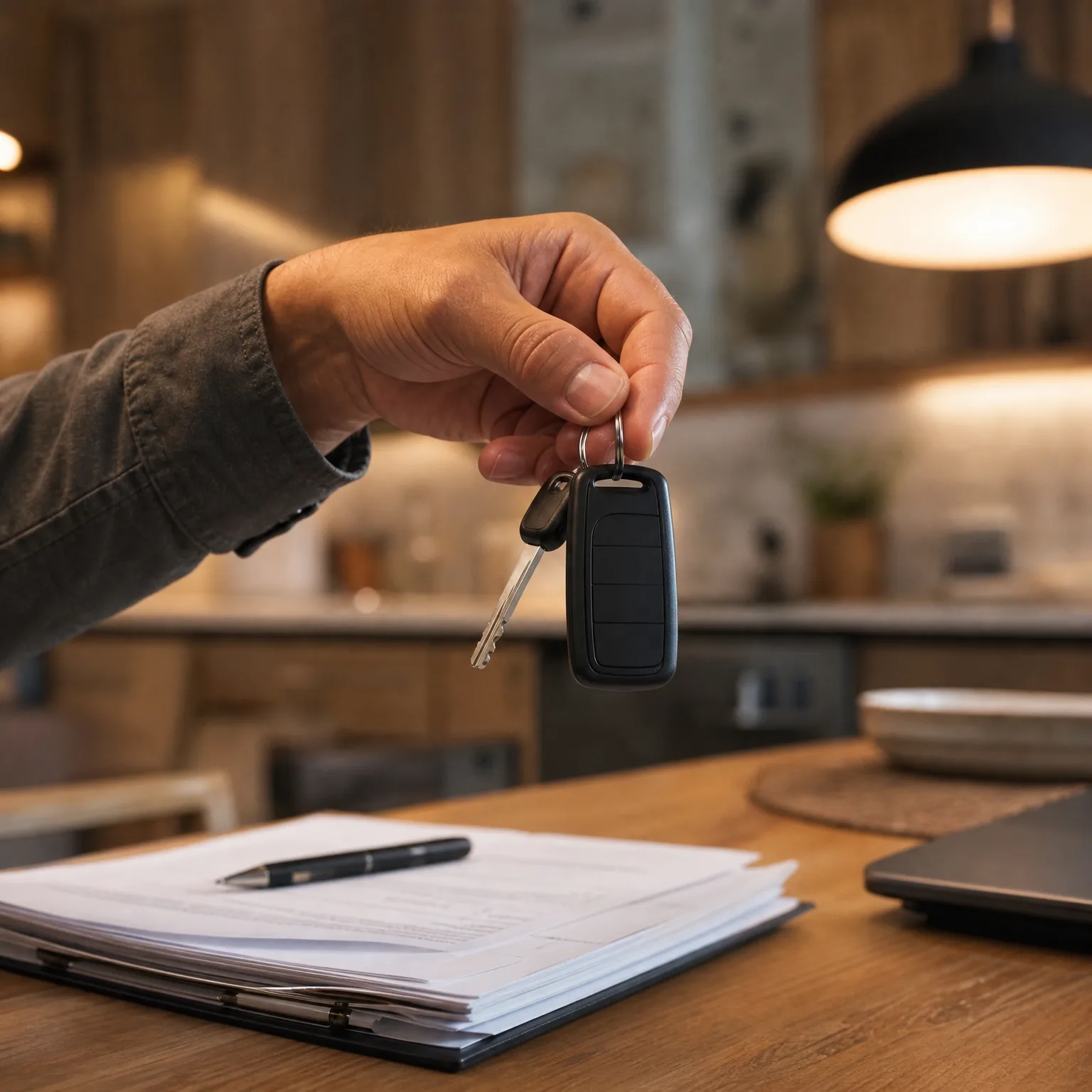
Call your carrier the day you buy the car. Give them the VIN, the purchase date, and the coverage you want. Ask them to email or fax a declaration page or updated insurance card to you immediately. Most carriers can generate proof-of-insurance documents electronically within minutes. Bring that document to the DMV. If you skip this step and show up with only your old insurance card, you will leave without plates and return another day after calling your carrier from the parking lot.
Get Your Free Quote
Get My Utah Car Insurance QuoteFrequently Asked Questions
Can I register a car in Utah without insurance?
No. Utah will not register a vehicle without proof of insurance meeting state minimum liability limits of $30,000/$65,000/$25,000 plus personal injury protection. The proof must list the specific VIN you are registering.
What counts as proof of insurance for Utah vehicle registration?
Utah accepts an insurance card, a declaration page, or electronic verification from your carrier. The document must show your name, the vehicle VIN, the policy effective date, and coverage amounts meeting or exceeding state minimums.
How long do I have to register a car after buying it in Utah?
Utah does not specify a registration deadline after purchase, but you cannot legally drive an unregistered vehicle on public roads. Register the vehicle before driving it, or arrange for the seller to keep plates on until you complete registration.
What happens if my insurance card shows the wrong VIN at the Utah DMV?
The DMV will not register the vehicle. You must contact your carrier, obtain updated proof of insurance listing the correct VIN, and return to the DMV with the corrected document.
Do I need a safety inspection to register a car in Utah?
Yes, for used vehicles and vehicles brought from out of state. The inspection must be completed within 60 days before registration. New vehicles purchased from a dealer are exempt for the first registration.
Can I get temporary tags in Utah while I gather missing documents?
No. Utah does not issue temporary registration tags for missing documentation. The vehicle cannot be legally driven until registration is complete with all required documents.