
Insurance Requirements to Register a Car — Utah
Free to compare
The Registration Counter Requires Proof—But Not Verification
You walk into the Utah DMV with your title, bill of sale, and emissions certificate. The clerk asks for proof of insurance. You hand over your insurance card. The clerk processes the registration. The transaction feels complete—but the state's actual insurance enforcement has not yet begun.
Utah law requires you to maintain continuous insurance coverage from the moment registration is issued. The DMV does not verify that your insurance card is valid or that the policy remains active after you leave the counter. Verification happens later, through an electronic monitoring system operated by the Driver License Division under the Department of Public Safety. If that system detects a lapse—even weeks or months after registration—your registration is suspended administratively, and you face reinstatement fees and potential penalties.
“The DMV accepts your insurance card at registration, but the state's electronic monitoring system verifies coverage continuously after that.”

Meet Utah's Requirements Without Overpaying
Get My Utah Car Insurance Quote$30,000 / $65,000 / $25,000
Utah Minimum Liability Limits
Bodily injury per person, bodily injury per accident, and property damage. Personal injury protection is also required. These minimums must be maintained continuously while the vehicle is registered.
Utah state minimum liability requirements
What the DMV Actually Checks at Registration
The DMV clerk verifies that you present an insurance card or electronic proof showing coverage for the vehicle you are registering. The card must display the vehicle identification number, the policy number, the insurer's name, and coverage dates that include the registration date. The clerk does not call your carrier. The clerk does not check whether the policy is paid or whether the coverage meets the state minimums—the card itself is accepted as proof.
This creates a procedural gap. A driver can present a card for a policy that lapses the next day, and the registration will be issued. The enforcement mechanism—the electronic monitoring system—does not activate until after the registration transaction is complete. The system cross-references DMV registration records against carrier-reported policy data. When a mismatch appears, the Driver License Division initiates an administrative suspension.
The suspension is not immediate. You receive a notice by mail. If you do not respond within the notice period—typically 10 days—the suspension takes effect automatically. Your registration is revoked, and driving the vehicle becomes unlawful.
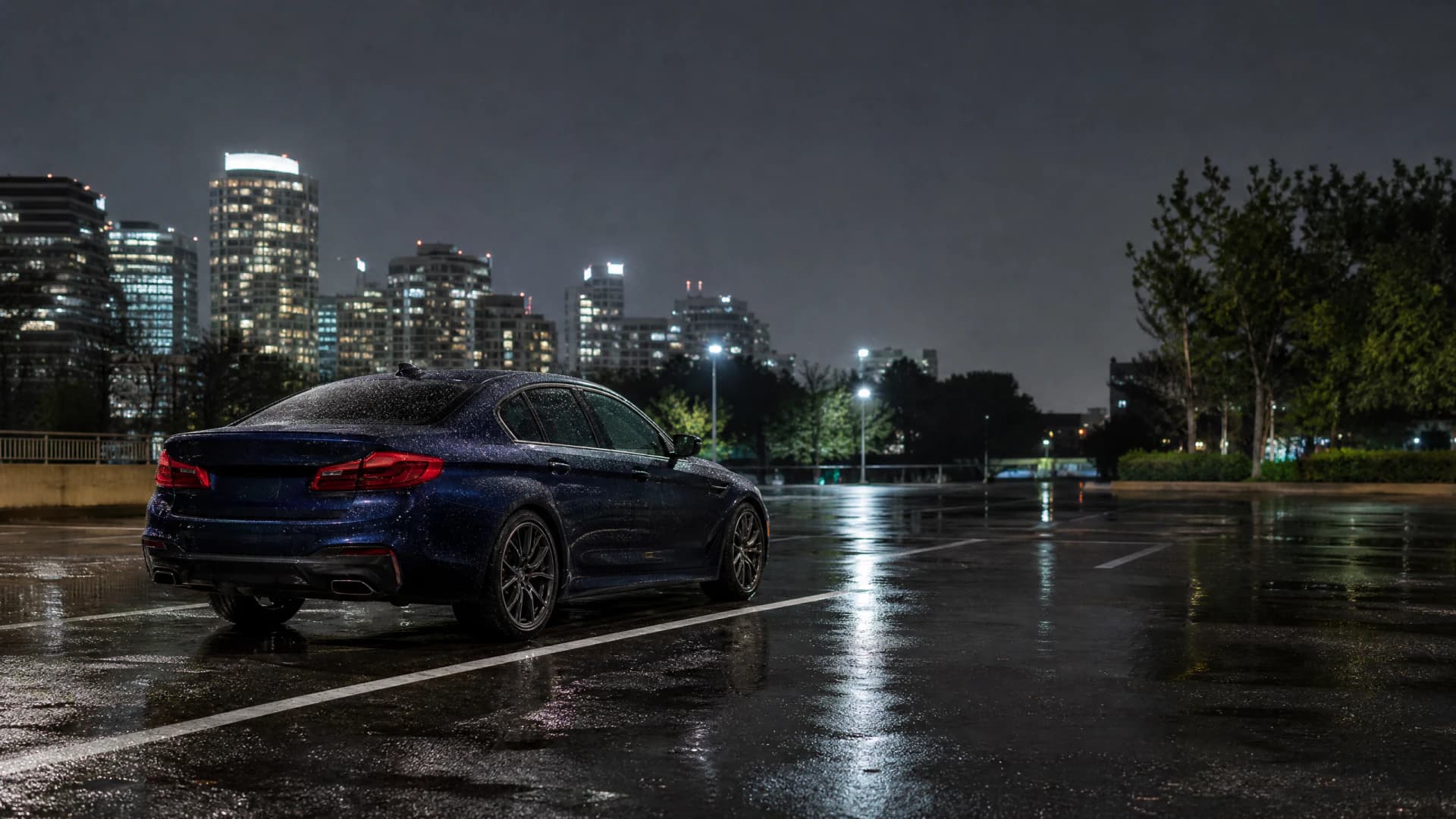
The DMV accepts your insurance card at registration, but the state's electronic monitoring system verifies coverage continuously after that—lapses trigger administrative suspension even if registration was issued.
Related Articles



What Happens If You Register Without Insurance
If you attempt to register a vehicle without presenting proof of insurance, the DMV will not issue the registration. The transaction stops at the counter. You leave without plates, without a registration card, and without legal authority to drive the vehicle on public roads. The only remedy is to obtain insurance and return.
A more common failure mode is registering with insurance and then allowing the policy to lapse. The electronic monitoring system flags the lapse. The Driver License Division mails a notice to the address on file. The notice states that your registration will be suspended unless you provide proof of current insurance within the notice period. If you ignore the notice, the suspension takes effect. Driving a vehicle with suspended registration is a class B misdemeanor in Utah, punishable by fines and potential jail time. The vehicle can be impounded.
If the lapse was long or if this is a repeat offense, the Driver License Division may require an SR-22 filing—a certificate your carrier files with the state proving you carry at least the minimum liability limits. The SR-22 requirement lasts for three years and typically increases your premium.
6.2%
Utah Uninsured Motorist Rate
Percent of motorists driving without insurance. The electronic monitoring system is designed to reduce this rate by detecting lapses and suspending registrations administratively.
Utah state insurance statistics, 2023

Grace Periods and Carrier Reporting
Most carriers provide a grace period for nonpayment—typically 10 to 30 days—before canceling the policy. During the grace period, coverage remains in effect, and the electronic monitoring system does not flag a lapse. If you pay the overdue premium within the grace period, the policy continues without interruption and no suspension notice is generated. If the grace period expires and the carrier cancels the policy, the carrier reports the cancellation to the state electronically, and the suspension process begins.
Carriers are required to report policy cancellations, lapses, and reinstatements to the Driver License Division within a statutory timeframe. This reporting obligation is what powers the electronic monitoring system. When you buy a new policy or reinstate a lapsed one, the carrier files an electronic notice with the state, and your registration status is updated. The system is not instant—there can be a delay of several days between the carrier's report and the state's database update—but it is comprehensive. Every registered vehicle in Utah is monitored.
Compare Carriers Before You Register
Utah has 20 carriers writing auto insurance in the state, including national carriers and regional specialists. Rates vary significantly by carrier, by coverage level, and by your driving history. Before you register the vehicle, compare quotes from at least three carriers. Provide each carrier with the VIN, your driver's license number, the coverage start date, and the coverage levels you want—minimum liability only, or full coverage with collision and comprehensive.
The comparison step happens before registration, not after. Once the vehicle is registered, you are legally required to maintain continuous coverage. Switching carriers mid-term is possible, but a gap between policies—even a gap of one day—triggers the electronic monitoring system and can result in suspension. The cleanest path is to choose the right carrier and coverage level before you walk into the DMV. If you are adding this vehicle to an existing policy that covers other household vehicles, contact your current carrier first and confirm that the new vehicle can be added with a coverage effective date that matches your planned registration date.
The Sequence: Insurance First, Then Registration
Purchase the vehicle and obtain the title. Contact an insurance carrier and provide the VIN, your driver's license number, and the coverage start date. The carrier issues a policy and generates proof of insurance—either a physical card or an electronic document accessible through the carrier's app. The coverage effective date must be the registration date or earlier. If you register the vehicle on a Tuesday, the policy must show coverage effective no later than that Tuesday.
Bring the proof of insurance to the DMV along with the title, bill of sale, emissions certificate if required, and payment for registration fees. The clerk processes the registration and issues plates and a registration card. The insurance requirement is now continuous: the policy must remain active for as long as the vehicle is registered. If you cancel the policy or it lapses for nonpayment, the electronic monitoring system detects the gap and initiates suspension proceedings.
Get Your Free Quote
Get My Utah Car Insurance QuoteFrequently Asked Questions
Can I register a car in Utah without insurance?
No. Utah law requires you to present proof of insurance before the DMV will issue registration. The clerk will not process the transaction without an insurance card or electronic proof showing coverage for the vehicle you are registering.
What happens if my insurance lapses after I register the car?
The Driver License Division's electronic monitoring system detects the lapse and mails a suspension notice to your address on file. If you do not provide proof of current insurance within the notice period—typically 10 days—your registration is suspended administratively. Driving with suspended registration is a class B misdemeanor.
Does the DMV verify my insurance card is valid?
No. The DMV clerk accepts the card as proof but does not call your carrier or verify the policy is active. Verification happens later through an electronic system that cross-references DMV records against carrier-reported policy data.
How much does it cost to reinstate registration after a lapse?
You must also provide proof of current insurance. If the lapse was long or if this is a repeat offense, the state may require an SR-22 filing, which increases your premium and must be maintained for three years.
Can I register a car and then buy insurance the next day?
No. The insurance policy must be in effect on the registration date or earlier. If you register on Tuesday, the policy effective date must be Tuesday or before. A policy that starts Wednesday does not satisfy the requirement, and the DMV will not issue registration.
What proof of insurance does the Utah DMV accept?
The DMV accepts a physical insurance card or an electronic document from your carrier's app. The proof must display the VIN, policy number, insurer name, and coverage dates that include the registration date.