
Underinsured Motorist Coverage — Utah
Free to compare
Utah Does Not Mandate Underinsured Motorist Coverage
Utah does not require underinsured motorist (UIM) coverage on any vehicle. You can legally register and drive every car in your household with only the state's minimum liability limits: $30,000 bodily injury per person, $65,000 per accident, and $25,000 property damage. Personal injury protection is mandatory, but underinsured motorist protection is not.
That does not mean you can ignore it. Every carrier licensed in Utah must offer UIM coverage when you buy or renew a policy. If you decline it, the carrier will ask you to sign a written waiver for each vehicle on the policy. The decision is yours, but the offer is required by state law.
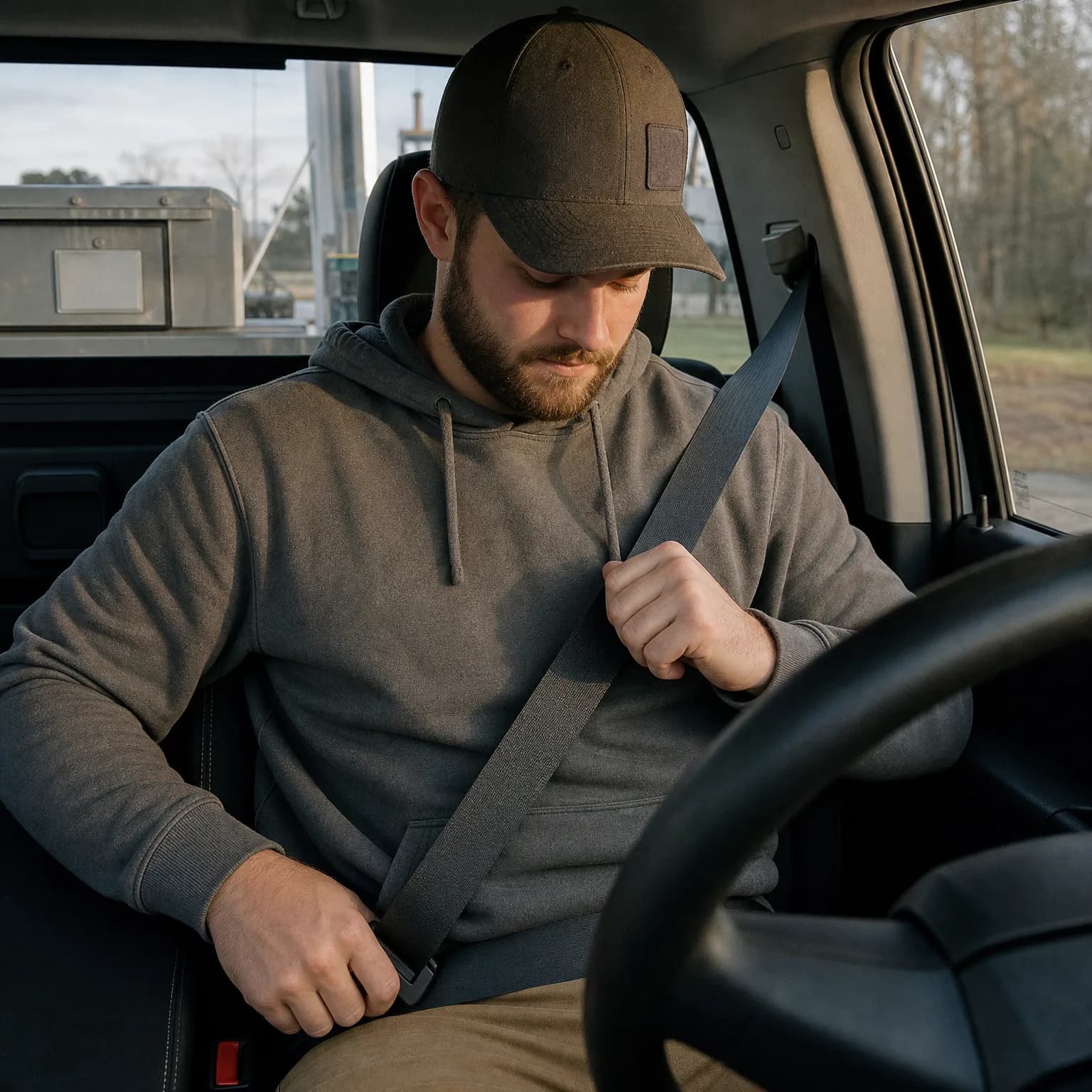
“Declining UIM on a multi-car policy requires a separate signed waiver for each vehicle.”

Meet Utah's Requirements Without Overpaying
Get My Utah Car Insurance Quote6.2%
Utah Uninsured Motorist Rate
One in sixteen drivers on Utah roads carries no insurance. When an uninsured or underinsured driver hits you, your own UIM coverage pays for injuries that exceed their liability limits.
Insurance Research Council, 2023
What Underinsured Motorist Coverage Actually Does
Underinsured motorist coverage pays for your medical bills, lost wages, and pain-and-suffering damages when another driver causes an accident and their liability insurance is too low to cover your losses. It does not pay for vehicle damage — that falls under collision or the other driver's property-damage liability.
UIM works in tandem with uninsured motorist (UM) coverage. UM pays when the at-fault driver has no insurance at all. UIM pays when they have insurance but not enough. Many carriers bundle the two as UM/UIM, and Utah law requires carriers to offer both together unless you request them separately.
The coverage applies per person and per accident, mirroring the structure of liability limits.
Declining UIM on a multi-car policy requires a separate signed waiver for each vehicle. One waiver does not cover the household.
Related Articles





When Declining UIM Makes Sense and When It Does Not
Declining underinsured motorist coverage makes sense when every driver in your household carries health insurance that covers auto accidents with low out-of-pocket maximums, and when your household has enough liquid assets to absorb a five-figure medical bill without financial strain. If both conditions hold, the duplicative medical coverage may not justify the premium.
Utah's minimum liability limits are low. A serious injury can exceed $30,000 in a single emergency-room visit. If the at-fault driver carries only the minimum, your UIM coverage is the only source of additional payment.
For multi-car households, the calculus tilts toward carrying UIM. More vehicles mean more exposure — more trips, more drivers, more intersections. The incremental cost of UIM on a second or third car is lower than the cost on the first, because the per-vehicle premium drops as you add cars. Declining it saves less than many households expect.
$30,000
Utah Minimum Bodily Injury Per Person
This is the lowest liability limit an at-fault driver in Utah can carry and still comply with state law. A moderate injury often exceeds this amount, leaving the gap to your UIM coverage or your own assets.
Utah Code Ann. § 31A-22-304

Stacking and Per-Vehicle Limits on Multi-Car Policies
Utah allows stacking of underinsured motorist coverage when you insure multiple vehicles on one policy. Stacking means you can combine the UIM limits from each car to cover a single injury.
Not every carrier offers stacking, and some charge extra for it. When you compare quotes for a multi-car policy, ask whether the UIM limits stack across vehicles and whether stacking costs more. If stacking is available at no additional charge, it effectively triples your protection without tripling your premium. If it costs extra, weigh the incremental cost against the likelihood of a catastrophic injury that exhausts a single vehicle's limit.
Compare Carriers That Write Multi-Car Policies in Utah
Twenty-one carriers write auto insurance in Utah, and most offer underinsured motorist coverage as part of a standard multi-car policy. Allstate, American Family, Farmers, Geico, Liberty Mutual, Nationwide, Progressive, State Farm, Travelers, and USAA all write policies covering two or more vehicles in the state. Coverage availability is consistent, but premium, stacking rules, and waiver processes vary by carrier.
When you request quotes, specify the number of vehicles you are insuring and ask whether UIM limits stack across cars. Some carriers default to stacked coverage; others require you to request it. The waiver process also differs — some carriers present a single combined waiver for UM and UIM, while others separate them. Clarify the waiver requirement before you finalize the policy so you are not surprised by automatic coverage additions mid-term. Use the state's comparison tool to request quotes from multiple carriers and compare UIM options side by side.
How the Offer-and-Waiver Rule Works for Multiple Vehicles
Utah statute requires every auto insurance carrier to offer UM/UIM coverage in amounts equal to your liability limits unless you reject it in writing. The rejection must be signed and dated. If you add a third or fourth vehicle mid-term, the carrier will present the offer again and ask for a new waiver if you decline. The waiver requirement resets with each vehicle added to the policy.
Some households assume that declining UIM once covers all future vehicles. It does not. Each car triggers a new offer. If you skip the waiver step, the carrier may automatically add the coverage and charge for it. The safest path: decide once whether UIM makes sense for your household, then apply that decision consistently as you add vehicles. Mixing covered and uncovered cars on the same policy is rare and creates confusion at claim time.
Get Your Free Quote
Get My Utah Car Insurance QuoteFrequently Asked Questions
Does Utah require underinsured motorist coverage?
No. Utah does not mandate underinsured motorist coverage, but every carrier must offer it when you buy or renew a policy. If you decline it, you must sign a written waiver for each vehicle on your policy.
Can I stack underinsured motorist coverage across multiple cars in Utah?
Yes, if your carrier allows it. Stacking lets you combine the UIM limits from each vehicle on your policy to cover a single injury. Not all carriers offer stacking, and some charge extra for it.
What happens if I add a car to my policy and forget to waive UIM?
The carrier will likely add underinsured motorist coverage automatically and charge you for it. Each new vehicle triggers a fresh offer, and declining it requires a new signed waiver.
Does underinsured motorist coverage pay for vehicle damage?
No. UIM covers only bodily injury — medical bills, lost wages, and pain-and-suffering damages. Vehicle damage is covered by collision coverage or the at-fault driver's property-damage liability.
How much does underinsured motorist coverage cost on a multi-car policy in Utah?
The cost varies by carrier, vehicle, and the limits you select. Adding UIM to a second or third car typically costs less per vehicle than adding it to the first, because multi-car discounts apply to the entire policy.
Do I need UIM if I already have health insurance?
It depends. Health insurance covers medical bills, but underinsured motorist coverage also pays for lost wages, pain and suffering, and expenses your health plan excludes. If your health plan has high deductibles or excludes auto accidents, UIM fills the gap.