
Uninsured Motorist Coverage Requirements — Utah
Free to compare
Utah Does Not Mandate Uninsured Motorist Coverage
Utah law does not require you to carry uninsured motorist (UM) or underinsured motorist (UIM) coverage on any vehicle you insure. The state's mandatory coverage list includes liability ($30,000 per person, $65,000 per accident for bodily injury, $25,000 for property damage) and personal injury protection, but UM/UIM sits outside that requirement. You can legally register and drive every vehicle in your household without it.
That does not mean you will never see UM/UIM on a quote or renewal. Utah law requires every carrier writing auto insurance in the state to offer uninsured and underinsured motorist coverage at limits matching your bodily injury liability limits. You must actively reject it in writing if you do not want it. Many households insuring multiple vehicles misunderstand this offer-and-rejection structure, assuming the coverage appeared on their policy by mistake or that declining it once removes it permanently across all vehicles and future terms.
“The rejection is not permanent — every vehicle addition and every renewal resets the offer requirement.”

Meet Utah's Requirements Without Overpaying
Get My Utah Car Insurance Quote6.2%
Utah Uninsured Motorist Rate
One in sixteen drivers on Utah roads carries no liability insurance. When an uninsured driver causes a collision that damages your vehicle or injures someone in your household, your own UM/UIM coverage pays your claim if you carry it; without it, you pursue the at-fault driver directly for recovery.
Insurance Information Institute, 2023
The Offer Requirement and Rejection Signature
Utah statute requires carriers to offer UM/UIM at limits equal to your bodily injury liability limits. If you carry the state minimum $30,000/$65,000 liability, the carrier must offer you $30,000/$65,000 UM/UIM. If you carry higher liability limits across your household's vehicles, the UM/UIM offer scales to match. The offer must appear every time you bind a new policy, add a vehicle, or renew.
Rejecting the coverage requires a signed written rejection. Most carriers embed the rejection language in the application or renewal documents you sign electronically or on paper. The rejection applies only to the specific policy term and the specific vehicles listed on that term. When you add a fourth vehicle mid-term or renew six months later, the carrier must offer UM/UIM again, and you must reject it again if you do not want it.
Households managing multiple vehicles often assume one rejection covers all vehicles forever. It does not. Each vehicle added to the policy triggers a new offer. Each renewal triggers a new offer. If you skip the rejection signature on a renewal, the coverage may be added automatically, raising your premium across every vehicle on the policy.
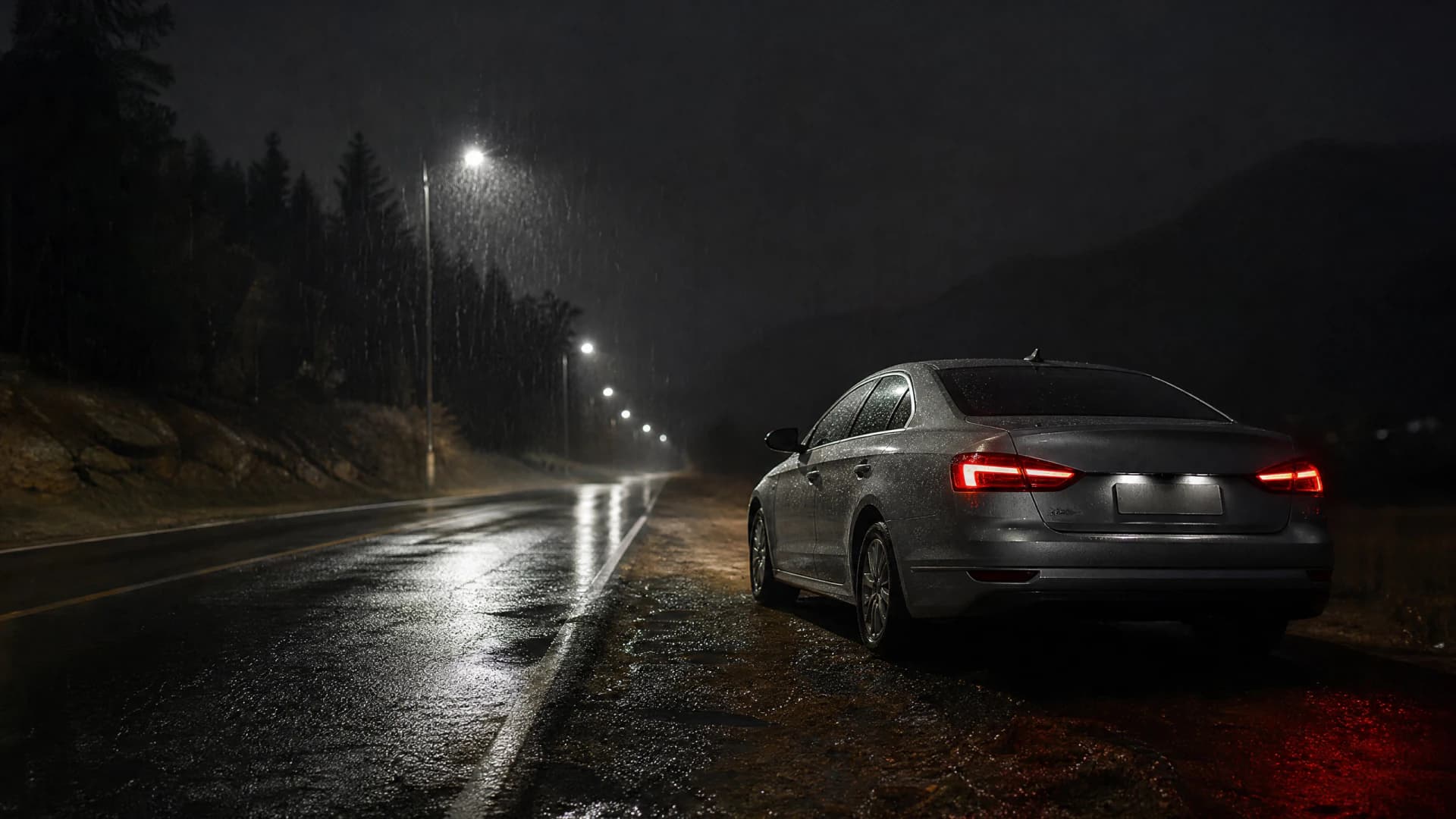
The rejection is not permanent. Every vehicle addition and every renewal resets the offer requirement, and a missed rejection signature can add UM/UIM across your entire multi-vehicle policy without warning.
Related Articles



What Happens When You Add a Vehicle Mid-Term
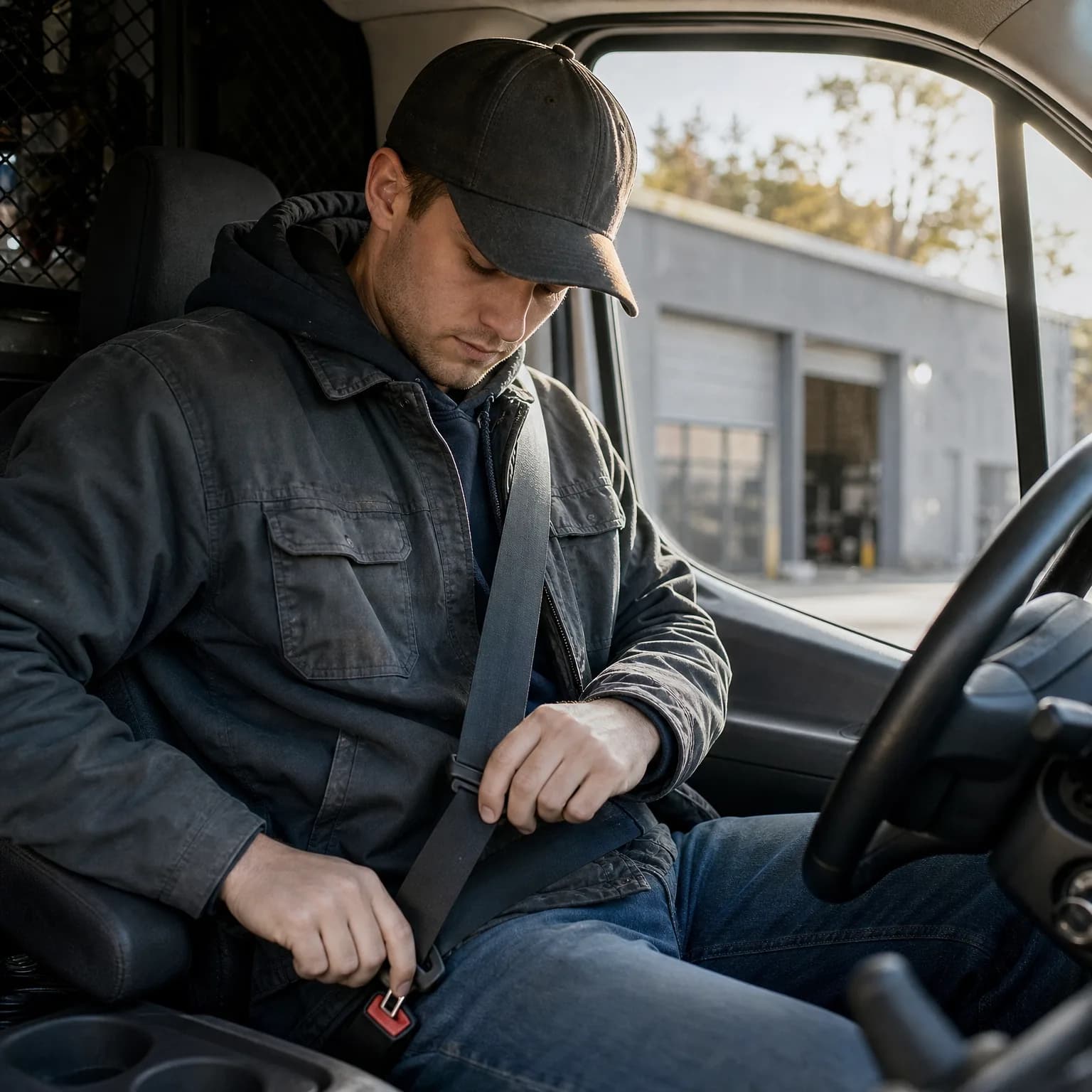
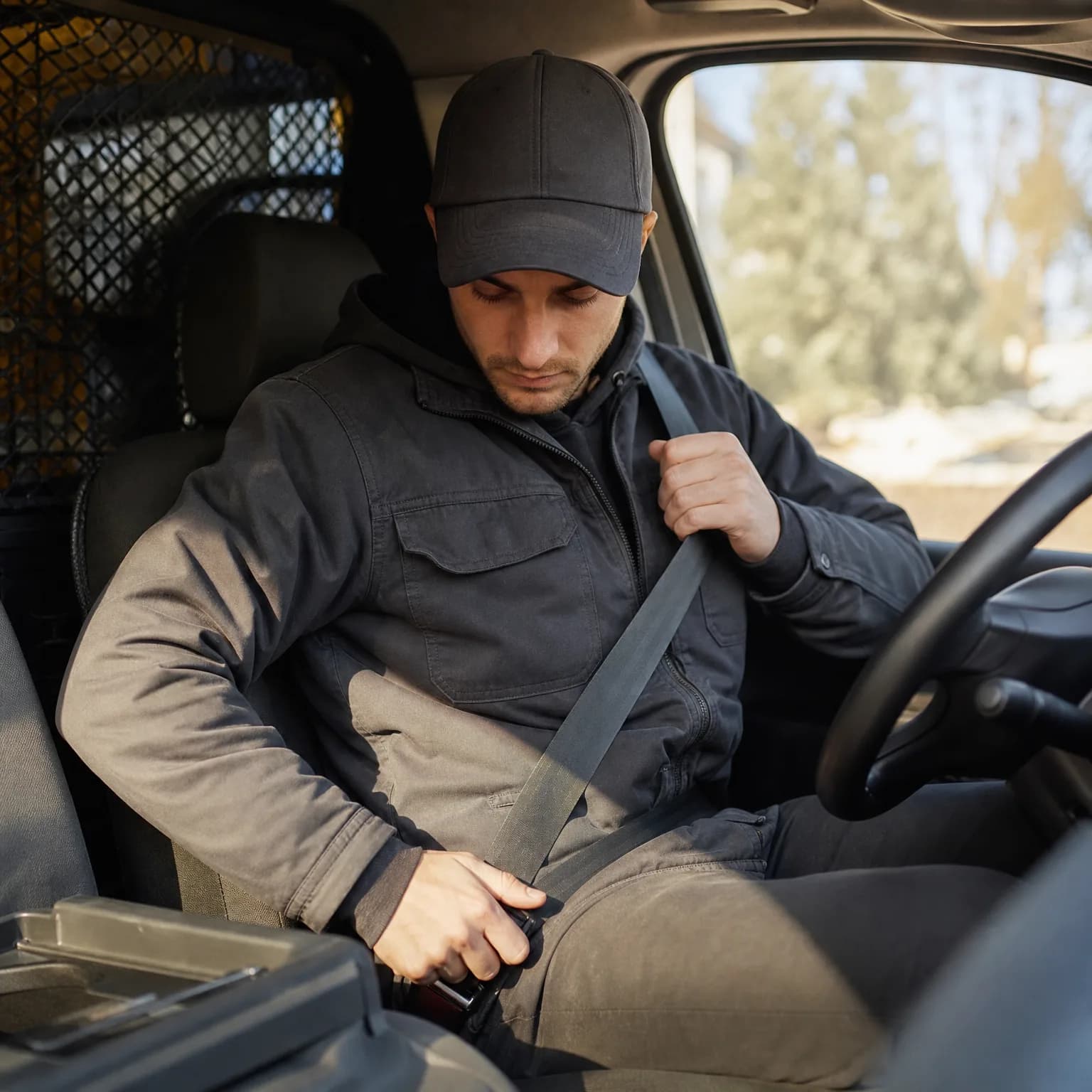
Adding a vehicle to an existing Utah policy re-rates the entire policy and triggers a new UM/UIM offer. The carrier must present the offer again because the policy now covers an additional vehicle, and state law requires the offer at every policy change. If you rejected UM/UIM when you bound the original two-car policy, that rejection does not carry forward to the three-car policy. You must reject again.
Many households discover UM/UIM on their policy after adding a third or fourth vehicle, not because the carrier added it without permission, but because the household signed the vehicle-addition documents without noticing the embedded UM/UIM acceptance language. The new vehicle's addition resets the offer, and the default in many carrier workflows is to include the coverage unless you explicitly decline. Read every vehicle-addition form carefully, and confirm whether UM/UIM language appears before you sign.
If UM/UIM appears on your policy after a vehicle addition and you did not want it, contact the carrier immediately. Most will remove it retroactively to the vehicle-addition date and adjust your premium, but that correction requires you to submit a written rejection. The rejection is not automatic, and the coverage will not disappear on its own.
$30,000 / $65,000
Utah Minimum Liability Limits
Utah requires $30,000 per person and $65,000 per accident in bodily injury liability, plus $25,000 in property damage liability. Carriers must offer UM/UIM at limits matching your bodily injury liability, so households carrying only the state minimum receive a $30,000/$65,000 UM/UIM offer.
Utah Department of Public Safety
Comparing Carriers by UM/UIM Workflow
Not every carrier handles the UM/UIM offer and rejection the same way. Some present the offer as a standalone checkbox during the quote process, making it easy to see and decline. Others embed the rejection language in the policy application's fine print, where it is easy to miss if you are moving quickly through the workflow. A few carriers default to including UM/UIM unless you affirmatively opt out, while others default to excluding it unless you affirmatively opt in, despite the statutory offer requirement applying either way.
When you compare carriers for a multi-vehicle household, ask each one how they handle the UM/UIM offer. Confirm whether the coverage is included by default in the quote you receive, and confirm what happens at renewal. A carrier that makes rejection easy and obvious at every term saves you the administrative friction of monitoring every renewal and vehicle addition for unexpected coverage additions.
Next Step: Compare Carriers Writing Your Household
You now know Utah does not require UM/UIM, but every carrier must offer it, and rejecting it is not a one-time event. The decision sits in front of you every time you add a vehicle or renew. Compare carriers that write multi-vehicle policies in Utah and confirm how each one structures the UM/UIM offer and rejection workflow. Carriers writing Utah include State Farm, Geico, Progressive, Allstate, Farmers, USAA, Nationwide, Liberty Mutual, Travelers, American Family, and others. Start with carriers that make the rejection process transparent and that do not default to including coverage you explicitly declined on a prior term.
How the Offer Applies Across Multiple Vehicles
A single UM/UIM rejection signature declines the coverage for every vehicle on that policy term. You do not reject separately for each car. The carrier calculates the UM/UIM premium by applying a per-vehicle rate to each car on the policy, so declining it removes that cost from every vehicle's premium line. Adding UM/UIM raises the total policy premium in proportion to the number of vehicles covered, which is why households with three or four cars see a larger dollar impact from the accept-or-reject decision than single-vehicle households.
The coverage itself follows the same structure. UM/UIM pays when an uninsured or underinsured driver injures someone in your household or damages your vehicle, regardless of which of your household's cars was involved in the collision. If you carry it, it applies across all listed vehicles. If you reject it, none of your household's vehicles carry it until you affirmatively add it at a future term.
Get Your Free Quote
Get My Utah Car Insurance QuoteFrequently Asked Questions
Does Utah require uninsured motorist coverage?
No. Utah does not require uninsured or underinsured motorist coverage on any vehicle. Carriers must offer it at limits matching your liability coverage, but you can reject it in writing.
Do I have to reject uninsured motorist coverage every time I renew?
Yes. The rejection applies only to the specific policy term. When you renew or add a vehicle, the carrier must offer UM/UIM again, and you must reject it again if you do not want it.
What UM/UIM limits will a carrier offer me in Utah?
Carriers must offer UM/UIM at limits equal to your bodily injury liability limits. If you carry $30,000/$65,000 liability, the offer will be $30,000/$65,000 UM/UIM. Higher liability limits trigger higher UM/UIM offers.
Does rejecting UM/UIM on one vehicle reject it for all my vehicles?
Yes, for that policy term. UM/UIM rejection applies at the policy level, not per vehicle. One rejection signature declines the coverage for every vehicle on that term, but you must reject again at the next renewal or vehicle addition.
Can I add UM/UIM later if I reject it now?
Yes. You can add uninsured motorist coverage at any renewal or mid-term by requesting it from your carrier. The coverage is not permanently unavailable once rejected.
What happens if I do not sign a rejection and do not want UM/UIM?
The coverage may be added to your policy automatically, depending on your carrier's workflow. If UM/UIM appears and you did not want it, contact the carrier immediately to submit a written rejection and request a premium adjustment.